
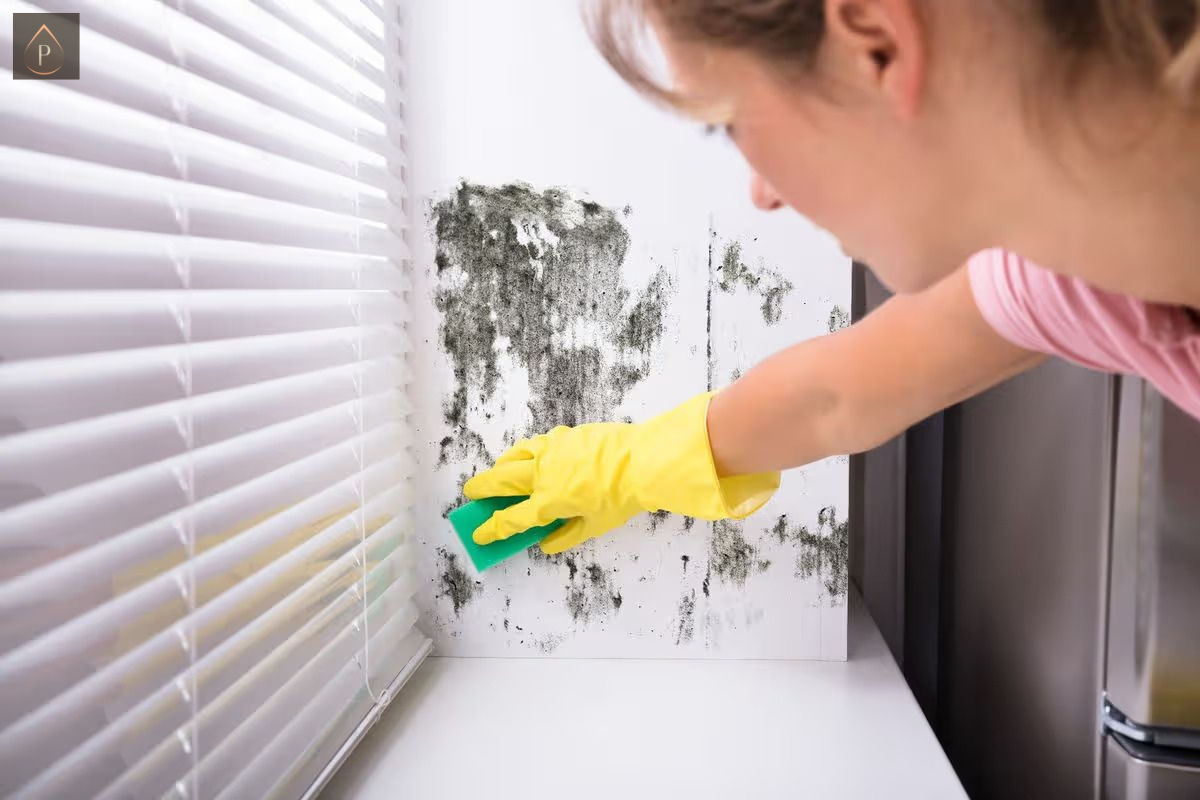
When spring arrives, many people think mould season is over. In South Wales, that is not always true.
Warmer days, cooler nights and leftover winter moisture create ideal conditions for condensation inside your home. That condensation feeds mould on walls, windows and corners.
In Pontypridd and across the South Wales valleys, older terraces, solid brick walls, bay windows and heavy rainfall increase the risk. Owners, landlords and tenants all need a clear plan.
PRBGE is based in Pontypridd and helps protect homes and rentals from mould, condensation and damp across South Wales. This guide gives you simple steps and explains when a professional survey is the safest choice.
Why spring triggers damp and mould in South Wales
In spring, the weather feels softer, but your walls can still be cold. Warm, moist air from daily life hits those cold surfaces and turns into condensation.
South Wales has a naturally wet climate. Regular rain, coastal influence and valley locations keep external walls damp for longer. That moisture can slowly move indoors.
When you reduce heating in spring but do not improve ventilation, you trap moisture inside your home. Trapped moisture is exactly what mould spores need to grow and spread.
Common spring signs in your home
At the start of spring, look for small warning signs. Do not ignore them or just cover them with paint.
- Dark or yellow damp patches in corners or on ceilings
- Water droplets on windows and sills in the morning
- Musty or “old house” smells, especially in bedrooms
- Peeling paint, bubbling wallpaper or flaking plaster
- Tiny black spots on silicone, grout or window frames
If you see these signs every spring or early summer, the problem is not minor. You need to find the source of the moisture, not just clean the stain.
Health risks of black mould
Black mould is more than a cosmetic issue. It affects the air that you and your family breathe.
Mould exposure can worsen asthma, allergies, chest tightness and coughing. Children, older people and anyone with breathing problems are at higher risk.
Mould or strong musty smells in bedrooms or near cots are a special concern. In those cases, fresh paint or air freshener is not enough and may hide the real problem.
Ventilation, heating and daily habits: spring basics
Good airflow is the strongest defence against condensation. If moist air can escape, mould has far fewer chances to grow.
Daily ventilation routine
With a simple routine, you can control condensation without making your home uncomfortable.
- Open key room windows fully for 10–15 minutes each morning
- Keep trickle vents open all the time and do not cover them with blinds or furniture
- Use extractor fans every time you cook or shower
- Let fans run for 15–20 minutes after you finish cooking or showering
If your mornings are busy, build one small habit. Open a window while you have breakfast, then close it before you leave the house. That short burst still helps a lot.
Smart heating, not sharp bursts
To save money, many people turn heating off for long periods and then blast it on. That pattern often makes condensation worse, not better.
Steady, moderate background heat keeps walls at a more stable temperature. The difference between warm room air and cold wall surfaces becomes smaller. Condensation reduces as a result.
Where possible, avoid letting rooms drop to very low temperatures. A sensible thermostat setting plus regular ventilation works better than extreme changes.
A dehumidifier can also help in high‑risk rooms. Bedrooms, bathrooms and north‑facing lounges often benefit from a small, efficient unit.
Everyday habits that quietly feed mould
Some normal habits make mould much more likely, even if you keep your home clean.
- Drying clothes on radiators with windows closed
- Cooking without pan lids and without using the extractor fan
- Taking long hot showers, then leaving the bathroom door open
- Pushing wardrobes, beds and sofas tight against external walls
- Blocking air bricks, vents or trickle vents with tape or furniture
These changes cost nothing, but they can make a huge difference over a full spring season. Consistency is more important than perfection.
Room‑by‑room spring mould prevention checklist
Every room has different risks. A simple checklist helps you focus on the right actions in the right place.
Bedrooms and living rooms
We spend long hours in bedrooms. Our breath adds moisture to the air, especially in closed rooms overnight.
- Keep wardrobes and beds at least 5–10cm away from external walls
- Wipe glass and window sills each morning if condensation appears
- Leave trickle vents open at night where it is safe to do so
- Consider a small dehumidifier if windows are heavily misted most mornings
If you notice black spots or strong musty smells behind wardrobes, do not push furniture back against that wall. Keep a gap so the air can move and the wall can dry.
Kitchens and bathrooms
Kitchens and bathrooms create most of the moisture inside a home. Without control, steam easily spreads into halls, lounges and bedrooms.
- Use lids on pans and switch on the kitchen extractor fan when cooking
- Run the bathroom fan while you shower and for at least 15–20 minutes afterwards
- Keep the bathroom door closed during showers, then give the room a short airing
- Wipe tiles, screens, windows and silicone regularly to remove droplets
- Use anti‑mould paint and quality silicone in areas that keep getting mould
These steps seem small, but together they lower humidity every single day. Over weeks, that steady reduction makes mould growth much less likely.
Lofts, basements and utility spaces
Hidden areas often hide slow, long‑term problems. Spring is the ideal time to check these spaces carefully.
- Inspect loft timbers, insulation and corners for mould spots or damp stains
- Reduce clutter in under‑stairs cupboards so air can move freely
- Check washing machines, dishwashers, tumble dryers and pipes for leaks or loose connections
- Investigate any strong musty smell even if you cannot see visible mould at first
Catching issues early in these areas can save you from serious damage and costly repairs later in the year.
Outdoor spring checks: stop damp before it reaches your walls
Many indoor damp problems begin outside. Combining your spring clean with basic outdoor checks is a smart move.
Gutters, downpipes and drainage
A blocked gutter lets rainwater spill down your walls again and again. Over time, this can lead to penetrating damp and internal mould.
- Remove leaves, moss and debris from gutters
- Watch during heavy rain to see if any gutters overflow
- Make sure downpipes discharge water away from the foundations
- Fix areas where water pools against walls or paths slope towards the house
Walls, roofs and pointing
The condition of your external envelope directly affects how dry your home stays inside.
- Check brickwork, render and pointing for cracks, gaps or hollow sounding areas
- Look for missing or slipped tiles, damaged flashing and heavy moss on the roof
- After rain, note any persistent damp patches that keep returning on the same wall
If you keep seeing the same damp marks after rainfall, a professional inspection is a wise next step. PRBGE offers detailed moisture inspections across Pontypridd and South Wales.
Safe spring cleaning: dealing with existing mould
Once mould is visible, you face two key questions. Can you safely clean it yourself? When should you call a specialist team instead?
When you can safely clean mould yourself
Small, surface mould patches are often suitable for careful DIY cleaning. You must still treat safety as a priority.
- Only tackle small areas on tiles, grouting, silicone or painted walls
- Always wear gloves, a mask and eye protection during cleaning
- Open windows and ensure good airflow while you work
- Use a mild mould cleaner or specialist product and follow the label instructions
- Let the area dry fully after cleaning and keep an eye out for regrowth
Bleach may fade the stain, but it does not fix the moisture source. Without moisture control, mould can return even after a strong chemical clean.
When DIY becomes risky
In some situations, do‑it‑yourself is unsafe or simply not effective.
- A full wall or ceiling is affected in one room
- Mould appears in several rooms or you smell mustiness through the whole flat
- Carpets, soft furnishings or wardrobes are contaminated
- Babies, older people or anyone with asthma live in the home
In these cases, bringing in a specialist is the best option. PRBGE provides professional mould remediation, safe removal and long‑term moisture control solutions.
PRBGE: your local mould, damp and condensation expert in South Wales
Let us look at how PRBGE can support you as a homeowner, landlord or tenant.
PRBGE is not just a cleaning service. It is a Pontypridd‑based specialist in mould remediation and moisture control, serving homes and rentals across South Wales.
Detailed mould, damp and condensation surveys
Strong solutions start with accurate diagnosis. PRBGE follows a “survey first” approach for this reason.
- Technicians use advanced moisture meters and humidity measurements
- They inspect building fabric, ventilation, insulation and possible leak points
- Reports explain in plain language whether the problem is condensation, rising damp or penetrating damp
- Recommendations include clear, practical steps tailored to each property
These surveys are available in Pontypridd, Cardiff, Newport, Swansea, Merthyr, Rhondda Cynon Taf, Caerphilly and the surrounding valleys.
Safe mould removal and long‑term prevention
PRBGE focuses on more than surface cleaning. The goal is to stop mould from returning.
- Professional biocidal treatments and specialist cleaning methods are used on affected areas
- Positive Input Ventilation units, extractor upgrades and targeted ventilation systems can be installed where needed
- Post‑mould restoration can include redecoration and repairs once the structure is dry and safe
This complete approach suits busy homeowners, landlords and housing providers. One trusted local team handles surveys, treatment and restoration.
Why South Wales homeowners choose PRBGE
There are clear reasons why many local clients prefer PRBGE.
- Strong experience with South Wales weather and housing styles
- A diagnostics‑first method that removes guesswork
- Focus on moisture sources, not just hiding stains under new paint
- Experience with residential homes, rentals and commercial properties
If you live in Pontypridd or the surrounding valleys and are dealing with mould, condensation or unexplained damp, PRBGE is a logical first call.
Spring mould prevention tips for landlords and letting agents
Spring is an ideal time for landlords to inspect properties. Access is easier, and problems are often more visible than in winter.
Current UK guidance makes it clear that landlords must respond quickly to reports of damp and mould. New rules such as Awaab’s Law increase pressure to act and document that action.
Practical spring checklist for landlords
- Schedule spring inspections for bathrooms, kitchens and north‑facing bedrooms
- Give tenants simple written guidance on ventilation, heating and how to report leaks
- Do not delay repairs to gutters, downpipes or known leaks
- Use PRBGE for professional moisture surveys where issues keep returning
Landlords with portfolios across Pontypridd, Cardiff, Caerphilly, Rhondda and Merthyr can benefit from a consistent partnership with one trusted local team. PRBGE can support both one‑off issues and long‑term programmes.
Quick spring checklist and next steps
To finish, here is a simple spring checklist you can follow every year.
- Ventilate daily with short, strong bursts of fresh air
- Keep a steady background temperature where possible
- Reduce moisture at the source when cooking, showering and drying clothes
- Wipe away condensation and small mould spots before they spread
- Check gutters, roofs and external walls each spring
- Book a professional survey if damp or mould keeps coming back
If you want a healthier, mould‑free home this spring, PRBGE can help. Book a mould, damp and condensation survey in Pontypridd, Cardiff, Caerphilly, Rhondda or anywhere across the South Wales valleys and get clear, expert advice for your property.
