
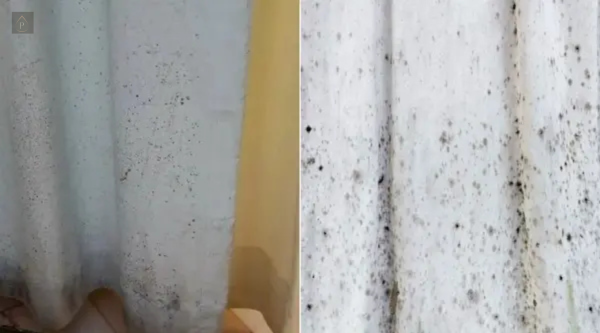
Mould on curtains and sofas is a common headache in damp South Wales homes. It often starts as light specks near cold windows or external walls and then spreads into ugly, musty patches. Fabrics hold moisture and provide food for mould, so once it starts, it can spread quickly if you ignore it.
The right cleaning method depends on your fabric and how bad the mould is. You also need to fix the moisture and condensation that caused it. When mould appears on several curtains, cushions and sofas across your home, that points to a deeper damp problem. PRBGE in Pontypridd can then help with expert surveys and long‑term moisture control across South Wales.
Why Curtains and Upholstery Grow Mould in South Wales Homes
South Wales has a damp, cool climate and lots of older properties. That combination creates ideal mould conditions.
Condensation forms when warm indoor air hits cold glass, frames and external walls. Water then collects on windows and runs down onto sills, nearby walls and curtains. Soft furnishings placed against cold external walls soak up moisture from the air and surfaces.
Everyday life adds more humidity. Cooking, showering, baths, laundry and even breathing increase moisture indoors. Closed windows, weak fans and heavy curtains over cold windows trap this moist air in one place.
Curtains, linings, cushions and sofa fabrics are often cotton, linen or blended materials. These absorb moisture and hold dust and skin particles that mould can feed on. When the fabric stays damp and the air stays still, mould spores settle and grow.
Is Mould on Curtains and Upholstery Dangerous?
Many people see mould on curtains or sofas as a cosmetic problem. It affects appearance, but it can also affect health.
Mould releases spores and tiny particles into the air. These can irritate eyes, noses and throats and trigger coughing or wheezing. People with asthma, allergies, weak immune systems or existing lung conditions are usually more sensitive.
Soft furnishings in bedrooms and living rooms matter the most. People sleep and relax close to these fabrics for hours. Constant exposure to mould in these spaces can worsen symptoms and make rooms feel unpleasant.
Sometimes mould on curtains near one window simply reflects a condensation problem in that spot. If you see mould on many curtains, cushions, sofas and walls, that suggests a wider damp or ventilation issue. In that situation, cleaning alone will not be enough. A professional survey from PRBGE is the safest route.
Safety First Before Cleaning Mouldy Fabrics
Safety comes first when you deal with mouldy fabrics. You want to protect yourself and avoid spreading spores.
Wear rubber or disposable gloves, a simple mask and eye protection. Open the window in the room you are working in and close doors to the rest of the house. This helps limit spread into other spaces.
If you can remove the fabric, take it outside before brushing or vacuuming. That includes curtains, removable covers and loose cushions. For fixed upholstery, work as close to an open window as you can and avoid shaking items.
Always read care labels before you start. Some curtains and covers are machine‑washable. Others need hand washing or professional dry cleaning. Check for warnings about bleach or high temperatures.
Whatever cleaner you choose, test it on a small, hidden area first. This check helps you avoid colour loss or damage on visible sections. Never mix products such as bleach and vinegar, as this can release dangerous fumes.
How to Remove Mould from Curtains
Curtains sit right next to windows, so they often show mould first. A careful, staged approach works best.
Step 1 – Brush or Vacuum Off Loose Mould
If possible, take removable curtains outside. Gently brush off loose mould using a soft brush, or vacuum with an upholstery attachment. Work slowly so you do not push spores deeper into the fabric.
If you cannot go outside, work by an open window. Keep your mask and gloves on throughout this stage.
Step 2 – Pre‑Treat Mouldy Areas
Pre‑treatment helps loosen stains and kill mould before washing. Common options include:
- White vinegar mixed with water, sprayed generously on affected areas.
- Baking soda paste or a mix of lemon juice and salt for some fabrics.
- Specialist fabric mould removers for delicate curtains, used according to the label.
Apply your chosen solution and allow it to soak in for a short time. Do not let curtains dry out completely with product on them unless instructions say so.
Step 3 – Wash or Hand‑Wash the Curtains
Machine‑washable curtains are the easiest. After pre‑treatment, wash them on a suitable cycle using mild detergent. Some guides suggest adding a cup of white vinegar or an approved mould‑removing additive to boost the wash.
Non‑machine‑washable fabrics need more care. Fill a bath or large basin with warm water and mild detergent. Soak the curtains, gently agitate and then rinse well. Avoid twisting or wringing delicate fabrics too hard.
If care labels advise dry cleaning only, do not risk home washing. Talk to a professional cleaner and mention the mould issue clearly.
Step 4 – Dry Curtains Completely
Drying is just as important as washing. If you rehang damp curtains, mould can return quickly.
On a dry day, hang curtains outside in sunlight and breeze. Sunlight helps kill remaining spores and fresh air removes odours. If outdoor drying is impossible, dry indoors in a warm, well‑ventilated room. Keep windows slightly open and avoid folding fabric over radiators in thick layers.
Once fully dry, you can rehang the curtains. Monitor them over the next few weeks to see if any mould returns.
How to Remove Mould from Upholstery and Soft Furnishings
Upholstered sofas, armchairs and cushions are trickier than curtains. You often cannot remove covers, and water can soak deep into fillings.
Step 1 – Dry Brushing and Vacuuming
Start by gently brushing off visible mould with a soft brush, preferably outside or by an open window. Then vacuum the area with an upholstery attachment to pick up loose spores.
Work slowly and avoid pressing too hard. You do not want to push mould deeper into the fabric or foam. Keep your mask and gloves on for this stage as well.
Step 2 – Spot‑Clean the Affected Areas
Use light moisture and targeted cleaning for fabric upholstery. Good options include:
- Diluted white vinegar solution applied with a spray or cloth.
- Mild detergent mixed with warm water.
- Specialist fabric mould remover designed for upholstery.
Dab the cleaner onto the mouldy area rather than soaking it. Gently work it into the fabric using a cloth or soft brush. Avoid over‑wetting, as too much water can drive mould into the padding and extend drying time.
Step 3 – Rinse, Blot and Dry Thoroughly
After treating, lightly rinse the area using a clean, damp cloth to remove residues. Then blot with dry towels to pull out as much moisture as possible.
If you have a wet/dry vacuum or carpet extractor suitable for upholstery, use it to pull moisture from the fabric and underlying foam. This step speeds up drying and reduces the chance of mould returning.
Set up a dehumidifier in the room to help dry the sofa or chair more quickly. Keep windows open if the weather allows, or use gentle heat and good airflow. The longer the fabric stays damp, the higher the risk of mould regrowth.
Step 4 – Know When to Call a Professional or Replace
Some upholstery is too badly affected for DIY methods. If mould covers large areas, has penetrated deep into cushions or the smell persists, professional cleaning may be needed.
Contact a reputable upholstery cleaner that handles mould. If they think the damage is too deep, replacement might be safer. When several items in your home keep going mouldy, speak to PRBGE about the underlying damp before spending on new furniture.
Preventing Mould Returning on Curtains and Upholstery
Cleaning is only half the job. You also need to stop mould coming back. That requires better moisture and airflow control.
Focus first on condensation around windows and cold walls. Wipe water from glass and sills each morning with a cloth or squeegee. Use extractor fans in kitchens and bathrooms during and after cooking or showering. Open windows for short bursts to clear moist air.
Improve airflow around fabrics. Leave a small gap between curtains and windows so air can circulate. Do not press sofas tightly against external walls; pull them a few centimetres away to reduce cold, damp spots. Open curtains during the day to let light and warmth reach fabrics, which helps keep them dry.
Reduce indoor humidity from clothes drying. Whenever possible, dry washing outside. If you must dry clothes indoors, choose one room, open a window slightly and close the door. Avoid piling damp clothes on radiators near vulnerable curtains or upholstery.
A dehumidifier can help in very damp South Wales homes, especially in winter. It should support, not replace, good ventilation and heating. Combined, these steps make fabrics far less attractive to mould.
When DIY Fabric Cleaning Isn’t Enough
DIY cleaning and prevention work well for mild problems. They are not enough when mould is widespread or constantly returning.
You should be concerned if several sets of curtains, sofas or cushions go mouldy again soon after cleaning. Musty smells in many rooms, damp patches on walls, peeling paint or visible mould elsewhere all point to deeper damp.
Frequent heavy condensation on windows and walls, even when you ventilate and heat sensibly, also suggests underlying issues. These could include poor ventilation design, cold bridges, rising damp or penetrating damp.
PRBGE investigates these problems across South Wales. The team surveys condensation patterns, ventilation, building fabric and moisture levels in walls and floors. From there, they design a plan that may include ventilation upgrades, dehumidifiers, repairs, damp proofing and safe mould remediation.
Once the root causes are under control, your cleaning efforts last. Curtains and upholstery stay fresh for much longer, and your home feels healthier and drier.
Mould on curtains and upholstery is frustrating, but it is also useful feedback from your home. It tells you when humidity, condensation or damp need attention.
With safe cleaning, better daily habits and smart drying and ventilation, many South Wales homes can keep fabrics mould‑free. For deeper damp and recurring problems, PRBGE is ready to help. The company is based in Pontypridd and serves Cardiff, Caerphilly, Rhondda, Merthyr, Bridgend, Swansea, Newport and the surrounding valleys. Through survey‑led diagnosis, safe mould removal and long‑term moisture control, PRBGE helps protect your curtains, upholstery and the people who live among them.
