
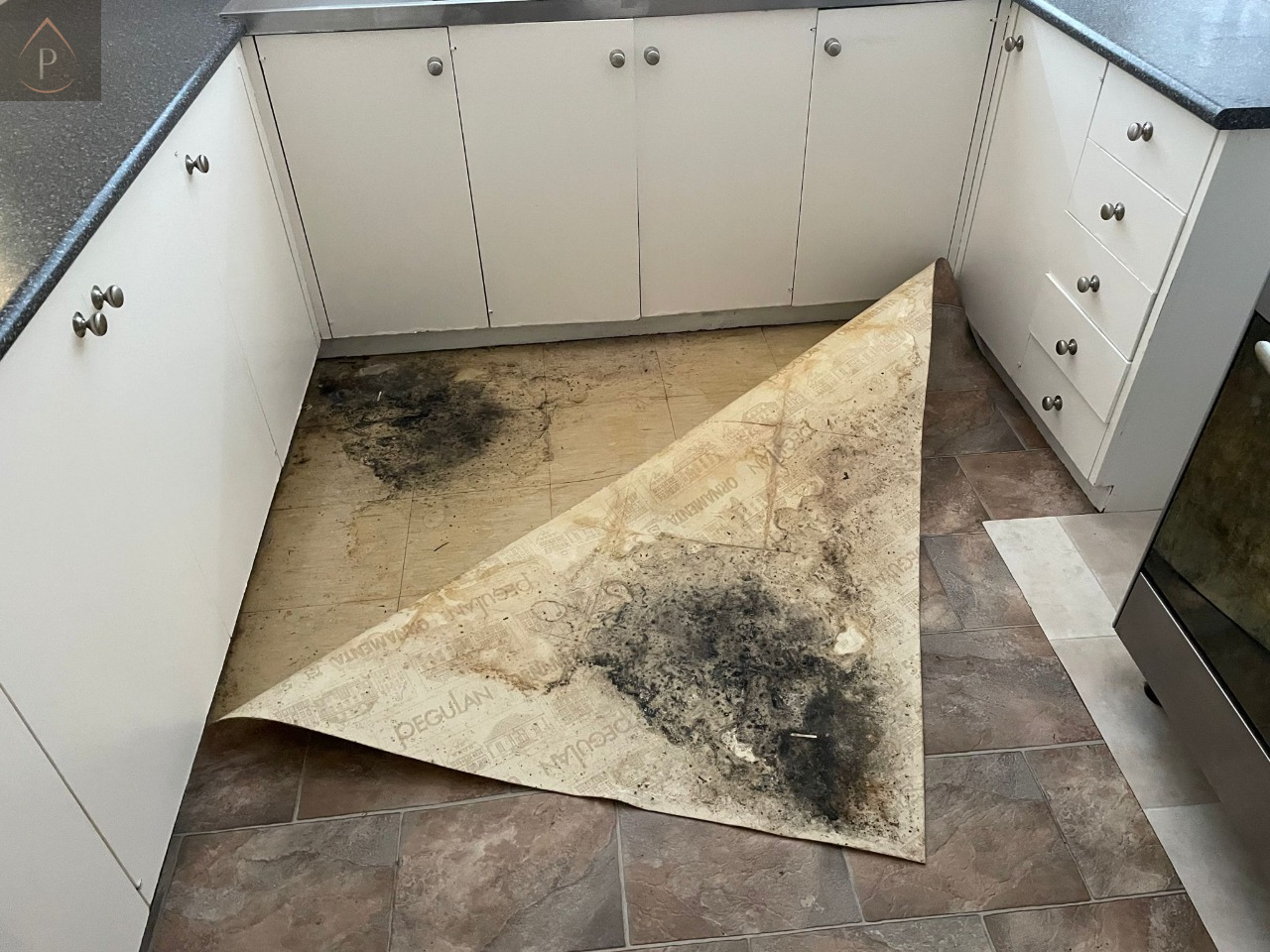
Floors in South Wales work hard. They sit above cold slabs, damp ground and humid air for much of the year. Older terraces, ex‑council homes and valley properties feel this pressure even more. When you mix cool floors with high moisture, mould can appear at skirting level, under carpets and beneath failing laminates.
Choosing the right flooring will not cure damp on its own. It does, however, help protect your home once moisture is under control. PRBGE in Pontypridd focuses on that deeper moisture control and then supports better flooring choices for homes and rentals across South Wales.
Why Damp‑Prone South Wales Properties Need the Right Flooring
South Wales has a mild, wet climate with plenty of rain and wind from the coast and valleys. Ground slabs, suspended timber floors and basements often stay cool and slightly damp. In older terraces and ex‑council homes, floors may sit directly on or close to damp ground. Limited insulation and poor ventilation then make matters worse.
These conditions create familiar problems. Concrete floors sweat, vinyl lifts at edges and black mould appears at skirting level. Carpets stay musty, underlay degrades and standard laminate boards swell or blow at joints. The result is an unhealthy, uncomfortable space and flooring that fails sooner than it should.
The real culprit is damp, not just the floor covering. Rising damp, penetrating damp and condensation all show up around floor lines and lower walls. That is why PRBGE treats damp as the starting point and flooring as part of the wider solution.
Fix the Damp Source Before Choosing New Flooring
It is tempting to cover a damp floor with something “waterproof”. That usually backfires.
First, you need to understand what kind of damp you face. Rising damp travels up from the ground through walls and floors. Penetrating damp comes sideways through walls or from outside defects. Condensation settles on cold surfaces when humid air hits them. Each behaves differently, and flooring alone cannot fix any of them.
Laying rigid, waterproof flooring over active damp often traps moisture. Water then tries to move somewhere else, sometimes into walls, under skirtings or into adjacent rooms. Adhesives fail, mould finds hidden pockets and repairs become more costly.
A PRBGE damp survey is the safest first step for any South Wales property with floor problems. The team checks moisture readings, looks for signs of rising or penetrating damp and reviews ventilation and insulation around the floor zone. Only after that does it make sense to pick underlays, membranes and mould‑resistant flooring.
This diagnostic‑first approach protects your investment. It also supports clear decisions for homeowners, landlords and flooring installers.
Best Mould‑Resistant Flooring Types for Damp‑Prone Areas
Some flooring materials cope much better with moisture than others. They still rely on good preparation, but they give you a stronger starting point.
Luxury Vinyl Plank and Tile (LVP / LVT)
Luxury vinyl plank and tile are popular for good reasons. These products offer a waterproof wear layer and stable core. They stand up well to splashes, everyday moisture and high humidity.
LVT and LVP work well in kitchens, bathrooms, entrance halls and on ground floors when the subfloor is prepared correctly. They are also robust enough for busy rentals, which is helpful for South Wales landlords.
They are not magic, though. Moisture still moves through the slab or subfloor. Without a damp proof membrane or suitable underlay, even vinyl systems can fail or push moisture elsewhere. Installation method and subfloor prep make a big difference.
SPC and Rigid Core Vinyl Flooring
SPC, or stone polymer composite, is a type of rigid core vinyl. Its dense core offers excellent dimensional stability in humid conditions. These floors resist swelling, can handle everyday moisture and suit high‑traffic homes.
SPC flooring is ideal for living rooms, hallways and open‑plan spaces that see mixed use. It handles South Wales’ damp air better than standard laminate in many cases.
The trade‑off is feel. SPC can feel harder and cooler underfoot, especially on uninsulated slabs. Once again, no rigid floor should sit directly on a wet base. You still need moisture control beneath.
Porcelain and Ceramic Tiles
Porcelain tile is one of the most moisture‑resistant floor finishes you can choose. It is dense and almost impermeable when correctly installed. Ceramic tiles also perform well in many settings.
Tiles shine in bathrooms, kitchens, utility rooms and some basements. They are easy to clean and do not absorb moisture the way carpets or wood can. With correct grout, adhesive and sealing details, you get an excellent barrier against surface water.
The downside is temperature. Tiles feel cold without insulation boards or underfloor heating. Poor installation can also leave voids where moisture collects and causes hollow sounds or cracked tiles.
Engineered Wood with Moisture‑Aware Design
Engineered wood flooring uses a hardwood top layer over a stable core. This design copes better with humidity swings than solid timber. It offers the warmth and look of real wood with less movement.
Engineered wood may work in reasonably dry living rooms and bedrooms where damp is under control. It is not suitable for active damp, leaks or frequent surface water. South Wales basements and very damp ground floors usually need other options first.
Flooring Materials to Use Carefully or Avoid in Damp‑Prone Homes
Not all floors are equal when damp is an issue. Some need extra caution. Others are best avoided entirely in problem areas.
Standard Laminate Flooring
Traditional laminate flooring uses fibreboard cores. These boards soak up water, swell and break down if exposed to damp. Even one leak or regular condensation can cause lasting damage.
Water‑resistant and waterproof laminates now exist. They often use improved cores and joint designs. They still need well‑managed subfloor moisture. In a truly damp property, they are not a cure.
Carpet and Underlay on Damp Slabs
Carpet feels warm and soft but holds moisture, dust and organic matter. On a damp slab or cold floor, it becomes a mould magnet. Underlay can also absorb moisture and start to break down.
Carpet works best on upper floors or on ground floors with proven dry subfloors and good ventilation. Even then, you need to watch humidity and clean regularly. In very damp South Wales homes, carpets on cold slabs are risky.
Solid Timber on Ground Floors and Basements
Solid timber flooring moves with moisture. In damp‑prone rooms, boards can cup, warp and open gaps. Mould can develop underneath, hidden from view.
Because of this, solid wood rarely suits South Wales basements, cellars or uninsulated ground floors. The preparation and moisture control required are extensive. Most owners are better served by more stable, moisture‑resistant materials in these spaces.
Underlays, Membranes and Subfloor Prep That Help Prevent Mould
The layers under your flooring matter as much as the visible surface.
Damp proof membranes (DPMs) protect from moisture coming up through concrete or screed. They may be sheet‑based or liquid‑applied. The right choice depends on slab condition and measured moisture levels.
Some floors use moisture‑resistant composite underlays. These can support LVT, SPC or engineered wood, helping manage slight vapour while giving cushioning and insulation. They are not a replacement for a missing or failed DPM.
In older or heritage buildings, breathable, vapour‑open systems sometimes make more sense. These allow controlled drying rather than sealing everything tightly. The wrong approach can trap moisture in the structure.
Levelling compounds, insulation boards and thermal breaks also play a role. They create a smooth base, warm up the floor surface and reduce condensation risks around skirtings and corners. In South Wales homes, this can make rooms feel more comfortable and mould‑resistant.
PRBGE’s surveys inform these choices. The team checks how moisture moves through your floors and walls and then advises which combination of membranes, underlays and finishes is appropriate.
Room‑by‑Room Mould‑Resistant Flooring Ideas for South Wales Properties
Different rooms have different demands. Matching flooring to each space helps.
Kitchens and Bathrooms
Kitchens and bathrooms see daily water, steam and spills. They need the most robust solutions.
Porcelain or good‑quality ceramic tiles are top choices for many South Wales kitchens and bathrooms. LVT or LVP also work very well when used with suitable adhesives and subfloor prep.
Details matter. Properly sealed grout, good silicone around edges and correct upstands all stop water reaching the subfloor. Without that, even the best tile or vinyl floor can hide damp problems underneath.
Living Rooms and Bedrooms
Living rooms and bedrooms need comfort and warmth alongside moisture awareness.
LVT, LVP and SPC flooring give a stable, easy‑care base that handles South Wales humidity well. Engineered wood can add warmth and character where damp is already under control.
Carpet may still suit upper floors or fully damp‑proofed, well‑insulated ground floors. In damp‑prone homes, though, it is generally safer to use more moisture‑resistant options and then add rugs for comfort.
Basements, Cellars and Lower‑Ground Spaces
Basements and lower‑ground rooms are the toughest case. They often sit partly below ground and face ongoing moisture.
In these spaces, porcelain tile or LVT/LVP over robust damp‑proofing systems usually give the best long‑term performance. The floor build‑up may include tanking, membranes, insulation and levelling.
Because stakes are higher, PRBGE should assess any basement damp before flooring decisions are made. That is especially true in South Wales valley properties where ground water and driving rain can be significant.
Maintenance and Everyday Habits to Keep Floors Mould‑Free
Even the best flooring needs sensible care.
Hard floors like tiles and vinyl benefit from regular sweeping and light mopping. Removing dust, grit and food debris denies mould some of its food sources. Avoid soaking floors and always dry spills quickly.
Managing indoor humidity remains essential. Follow PRBGE’s guidance on ventilation, extractor fans, heating and, where suitable, dehumidifiers. Reducing moisture in the air reduces the load on your floors and finishes.
Watch for early warning signs. Musty smells, darkened skirting boards, lifting edges, soft spots and discoloured grout or silicone all hint at hidden moisture. Act early. Contact PRBGE for an assessment before minor issues become expensive failures.
When to Involve PRBGE in Flooring Decisions
There are clear times when you should not rely on flooring alone.
Red flags include visible damp patches, tide marks, flaking paint, widespread mould or a history of failed flooring in the same area. Landlords who receive repeat mould complaints from tenants also need a deeper look.
PRBGE supports homeowners, landlords and installers with detailed moisture and damp assessments. Survey findings show whether you need tanking, membranes, ventilation changes or other repairs before new floors are laid.
Installers and property owners can then choose flooring systems with confidence. This reduces future disputes, callbacks and costs. It also protects people living in the property.
Mould‑resistant flooring works best when it sits on top of well‑managed moisture, not on top of guesswork. PRBGE’s long‑term moisture control, including surveys, ventilation upgrades and damp proofing, gives that foundation.
PRBGE, based in Pontypridd, specialises in mould, condensation and damp control across Cardiff, Caerphilly, Rhondda, Merthyr, Bridgend, Swansea, Newport and the surrounding valleys. With expert surveys, safe removal, long‑term moisture control and practical advice on flooring‑ready solutions, PRBGE helps protect your home or rental from mould underfoot as well as on the walls.
