
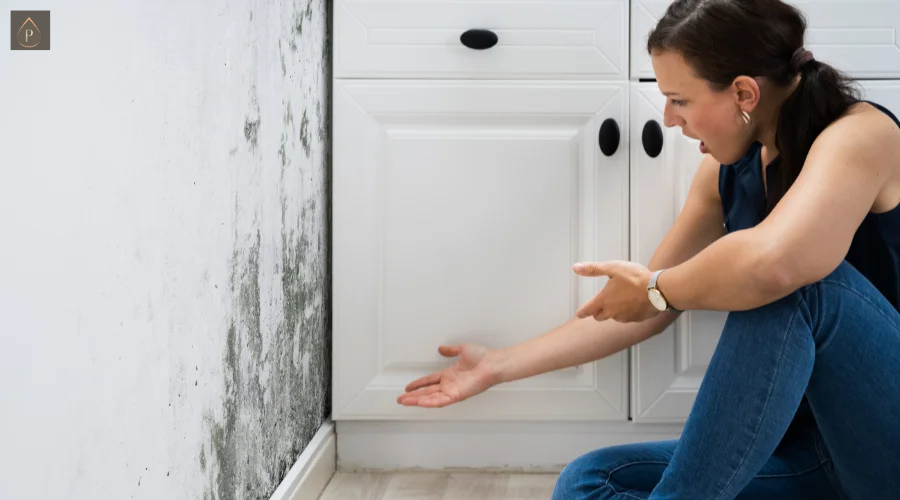
Kitchens and bathrooms in South Wales fight a constant battle with steam, condensation and damp air. Hot showers, busy cooking and our wet local climate all encourage mould. When you add older terraces and compact rooms, mould can appear very quickly.
You can still do a lot yourself. Simple daily habits and low‑cost tweaks make a real difference when you follow them consistently. For deeper problems, PRBGE in Pontypridd helps with expert surveys, safe removal and long‑term moisture control across the South Wales valleys.
Why Kitchens and Bathrooms in South Wales Get Mouldy So Quickly
South Wales has a mild, wet climate with frequent rain and high humidity. Walls and roofs often stay damp for longer, especially in shaded streets and valleys. Older terraces and ex‑council homes often have small, steamy kitchens and bathrooms with limited airflow.
Everyday habits add even more moisture. Boiling pans, kettles, dishwashers and washing machines all release steam into the kitchen. Hot showers fill bathrooms with warm, damp air. If you keep doors and windows closed, that moisture has nowhere to go. It then settles on cold tiles, grout, ceilings and window frames and feeds mould.
Before You Start: When DIY Is Safe (and When to Call PRBGE)
Small patches of mould are usually fine for careful DIY cleaning. Light spots on tiles, silicone, painted walls or around windows respond well to simple methods if you act early. You need more caution when mould is heavier or covers a large area.
If you see widespread mould, damp or crumbling plaster, the problem may be deeper. Mould that keeps returning soon after cleaning is another warning sign. Structural damp, hidden leaks and strong musty smells should push you towards a professional survey, not more DIY.
Safety matters even for small jobs. Always wear gloves, a suitable mask and eye protection when cleaning mould. Keep the room well ventilated and avoid dry brushing, which can send spores into the air.
If you are unsure, call in help. PRBGE supports homeowners and landlords across Pontypridd and the surrounding valleys. The team diagnoses moisture problems, removes mould safely and designs long‑term solutions.
Daily DIY Habits to Keep Kitchen and Bathroom Mould Away
Good daily habits prevent far more mould than any one‑off deep clean. They also cost very little.
Start with ventilation. Open key windows for 10–15 minutes each morning to refresh the air. Keep trickle vents open and avoid covering vents with blinds, cupboards or furniture. Run extractor fans during and after steamy activities, not just for a minute or two. Aim for at least 15–20 minutes of fan use after showers and heavy cooking.
Adjust how you cook and shower. In the kitchen, use pan lids and turn the heat down once water boils. Switch on the extractor hood and open a window slightly while cooking. Keep the kitchen door closed so steam does not spread to cooler rooms where it will condense.
In the bathroom, close the door while showering and run the fan at the same time. When you finish, leave the fan running and open the window a little. That combination clears steam much faster than a fan alone.
Laundry and towels also matter. Dry clothes outside where possible. If you must use an airer indoors, keep the door closed and a window open in that room. Hang towels up straight after use and wash them regularly so they do not stay damp in corners or on radiators.
DIY Cleaning and Natural Mould‑Proofing Methods
For light mould, gentle cleaners often work well. White vinegar spray, baking soda paste or mild detergent solutions can remove small patches from hard surfaces. Spray or apply the solution, leave it for a short time, then scrub with a soft brush or cloth. Rinse and dry the surface fully afterwards.
Natural methods suit light growth, but they have limits. Tougher or older mould may need a dedicated mould remover. Many bathroom products contain bleach or other agents that break down mould quickly. Always follow the label, use gloves and keep the room ventilated.
Never mix different cleaners. Some combinations can release dangerous fumes. Always test a small area first, especially on coloured grout, sealant or painted surfaces.
Eco‑friendly choices are great for light, early stains. Stronger chemicals can be more effective on stubborn patches. Either way, recurring mould means moisture is still an issue. In that case, cleaning alone will not be enough and you may need a professional assessment from PRBGE.
DIY Mould‑Proofing Tips for South Wales Bathrooms
Bathrooms are often the dampest rooms in the home. That makes them top priority.
Start with the fan. Check whether it actually clears steam within a reasonable time. Clean dust from the cover and, where possible, from the fan itself to maintain performance. If the fan runs only with the light, consider using it more or asking an electrician about a timer overrun.
Small layout tweaks help too. Keep storage baskets and bottles away from cold corners where condensation collects. Pull back shower curtains fully after use so they dry faster. Wipe down tiles, shower screens and silicone with a squeegee or cloth after showers to remove surface water.
Sealants and finishes also play a role. If silicone around the bath or shower has stubborn black spots, cut it out carefully and replace it with a good mould‑resistant sealant. When you repaint the ceiling or walls, choose an anti‑mould bathroom paint that can cope with regular steam. Good preparation and the right product make your DIY work last longer.
For very mouldy ceilings, DIY may not be enough. Peeling paint, stained plaster and damp patches suggest deeper moisture problems. In those cases, a PRBGE survey helps you find and fix the real cause.
DIY Mould‑Proofing Tips for South Wales Kitchens
Kitchens face daily steam, grease and humidity, especially in busy homes. That can quickly turn into mould if you ignore airflow and cleaning.
Tackle steam at the source. Always cook with pan lids on where possible. Use the extractor hood on the correct setting and let it run after you finish cooking. Open a window a little, even in cooler weather, to let moist air escape. Close the kitchen door to keep steam out of colder rooms.
Storage and cleaning make a big difference. Avoid pushing cupboards and units tight against cold external walls; leave small gaps for air to move. Wipe behind appliances, under sinks and around window sills regularly. These hidden spots often show early signs of mould.
Use suitable materials. Choose mould‑resistant sealant around sinks, taps and window boards. Washable, wipeable paint near cooking areas makes cleaning easier and reduces grease build‑up that can trap moisture.
If you see mould spreading under units, behind fridges or around pipes, check for leaks as well as condensation. Persistent kitchen mould, especially near external walls or floors, may point to deeper damp that needs a professional look from PRBGE.
Controlling Humidity and Condensation on a Budget
You do not always need expensive kit to improve conditions. Several low‑cost steps help.
Moisture‑absorbing crystals or trays can reduce humidity in small, enclosed spaces such as cupboards or window sills. They will not solve major damp but support your other efforts. Wiping wet surfaces quickly, especially around baths, showers and sinks, removes water before mould can feed on it.
Use the tools you already have. Extractor fans, trickle vents and opening windows cost little when used smartly. Short, sharp bursts of ventilation usually lose less heat than leaving a small window open all day.
Dehumidifiers can help in very damp rooms. They pull moisture from the air and reduce condensation on cold surfaces. Positive input ventilation (PIV) systems push fresh, filtered air through the home and dilute moisture. These options work best when chosen and set up correctly. PRBGE can advise on suitable systems for South Wales homes after a survey.
Keeping a steady background temperature also helps. Rapid heating and cooling creates more condensation on cold surfaces. A more stable approach is often kinder to both your home and your energy bills.
When DIY Isn’t Enough: How PRBGE Helps South Wales Homes and Rentals
DIY routines solve many light problems but cannot fix every situation. You should seek expert help when certain signs appear.
Look out for mould that comes back soon after cleaning, large black patches or areas spreading across several walls or ceilings. Damp or crumbling plaster, peeling paint, or a strong musty smell also suggest a deeper issue. If people in the home notice coughing, wheezing or other health concerns that ease when they leave, mould and damp may be involved.
PRBGE offers detailed moisture and damp surveys for homes and rentals across Pontypridd and the South Wales valleys. The team checks for condensation, rising damp, penetrating damp and ventilation problems. Findings turn into a simple, practical plan.
Treatment can include safe mould removal, targeted repairs, ventilation upgrades and long‑term moisture control solutions for kitchens and bathrooms. PRBGE works with homeowners, landlords and letting agents and understands the pressures of managing multiple properties. Professional support protects both people and buildings and reduces future complaints.
When should I stop DIY and call a professional in South Wales?
Call PRBGE if mould is widespread, keeps returning or links to damp plaster, leaks or health worries. Expert surveys and treatments give safer, longer‑lasting results.
Kitchens and bathrooms will always face steam and moisture. With the right habits, you can keep most mould under control. Simple changes to ventilation, cleaning and finishes go a long way.
For long‑term protection, you need to deal with the moisture source, not just the stains. PRBGE, based in Pontypridd, helps homeowners and landlords across Cardiff, Rhondda, Caerphilly, Merthyr, Bridgend, Swansea, Newport and the surrounding valleys do exactly that. If DIY is no longer enough, a PRBGE survey is the safest next step for your South Wales kitchen or bathroom.
