
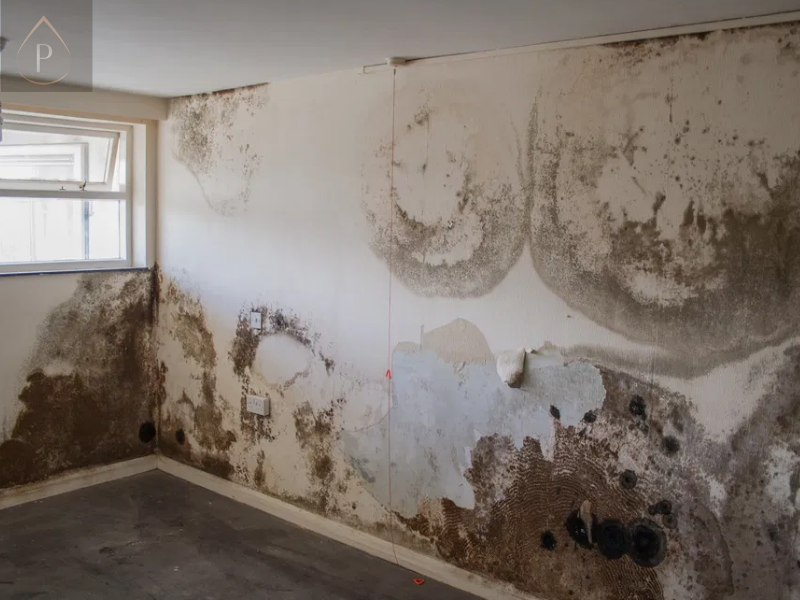
If you’ve spotted damp patches on your walls and you can’t work out why, your render might be the culprit. Many homeowners assume rendered walls are fully protected from rain and moisture, but that’s not always true. When render cracks, ages, or gets applied poorly, water finds its way in. This article explains how render fails, what signs to look for, and what you can do about it. By the end, you’ll know whether your render is the problem and what steps to take next.
What Does It Mean When Damp Comes Through External Walls?
Damp on an external wall rarely shows up out of nowhere. It usually starts small and grows worse over time, especially after heavy rain. You might notice a patch that darkens after a storm and slowly fades during dry spells. This pattern is a strong clue that water is getting in from outside rather than building up from condensation.
Common Signs of Damp on Rendered Walls
Look out for these warning signs on your property:
- Damp patches or tide marks on internal walls, often near the bottom or top of a wall
- Peeling paint or bubbling wallpaper
- A musty, stale smell in a room
- Black mould spots or white, fluffy salt deposits on plaster
- Cold, clammy patches that feel damp to the touch
If you spot any of these, don’t ignore them. Damp tends to spread, and the longer it sits, the more damage it causes to plaster, timber, and even your health.
Penetrating Damp vs Rising Damp vs Condensation
These three types of damp get confused all the time, but they have different causes. Penetrating damp happens when water travels horizontally through a wall, usually because of cracks, gaps, or failed render. Rising damp moves upward from the ground through capillary action, often because the damp-proof course has failed or been bridged. Condensation, on the other hand, forms when warm, moist air meets a cold surface indoors.
Knowing which type you’re dealing with matters because the fix is completely different for each one. A professional survey from PRBG Environmental can identify exactly which type of damp you’re facing before any work begins.
How Render Is Supposed to Protect Your Walls
Render acts like a raincoat for your house. It’s a layer of material, usually cement, lime, or a modern silicone-based mix, applied over brickwork or blockwork to shield it from rain and wind. When render works as intended, it stops water from soaking into the masonry underneath.
Types of Render Explained Simply
Not all render behaves the same way:
- Sand and cement render – traditional, durable, but rigid and prone to cracking over time
- Monocouche render – a one-coat, factory-mixed render that’s flexible and weather-resistant
- Silicone render – water-repellent and breathable, popular on modern builds
- Lime render – soft and flexible, ideal for older properties because it lets walls breathe
Choosing the wrong type for your property type can actually cause more harm than good. For instance, a hard cement render on an old solid-wall house can trap moisture that would otherwise escape naturally.
Why Render Fails and Lets Damp In
Render doesn’t last forever, and several issues can cause it to stop doing its job properly.
Cracked or Hairline-Fractured Render
Even a tiny crack gives water a way in. Rain seeps through the gap, settles into the wall, and spreads. Over time, freezing temperatures make this worse because water expands as it turns to ice, widening the crack further. Therefore, a small problem can quickly become a much bigger one if it’s left unattended.
Poorly Applied or Low-Quality Render
Render needs the right mix, the right thickness, and proper curing time. If a contractor rushes the job or uses substandard materials, the render won’t bond well and will fail faster than it should. This is one of the most common causes we see across properties in Cardiff, Newport, and Swansea.
Render Bridging the Damp-Proof Course
Your home’s damp-proof course (DPC) sits low down in the wall and stops ground moisture from rising. However, when render gets applied too low and covers the DPC, it creates a bridge that lets moisture travel straight past this barrier. This mistake happens more often than you’d think, especially during DIY or rushed rendering jobs.
Blocked or Covered Air Bricks
Air bricks let your walls breathe and allow trapped moisture to escape. If render covers these vents, ventilation drops, and moisture has nowhere to go. As a result, dampness builds up behind the wall surface instead of drying out naturally.
Age and Weathering
Render simply wears out over time. Years of rain, frost, and sun exposure cause it to become brittle, porous, and less effective. Once render passes a certain age, even small amounts of rain can soak through.
Render and Solid Wall Properties: A Common South Wales Problem
If you live in a Victorian or Edwardian terrace in Cardiff, Newport, or Swansea, you’re dealing with a specific risk factor. Many of these older homes have solid walls built with lime mortar, which was designed to let moisture pass through and evaporate naturally.
The problem starts when a modern cement render gets applied over these older walls. Cement is rigid and non-breathable, so it traps moisture that the lime mortar would normally release. This trapped moisture has nowhere to go except inward, toward your living space. You’ll often see this play out as damp patches that start high on a wall and gradually creep downward.
Coastal exposure adds another layer of risk too. Properties in Swansea, for example, face salt-laden winds and driving rain that put extra strain on render. Older housing stock across South Wales simply wasn’t built with today’s weatherproofing standards in mind, which is why local expertise matters so much when diagnosing these issues.
Can Render Actually Stop Damp?
This is the question everyone wants answered, and the honest reply is: it depends.
What Render Can Fix
Render works well against penetrating damp caused by minor wall defects. A solid, crack-free render layer keeps rain from soaking into brickwork, which lowers your risk of damp patches appearing indoors. If your damp problem stems from a few cracks or worn patches, re-rendering with the right material can solve it.
What Render Can’t Fix
Render won’t help with rising damp because that moisture comes from the ground, not from rainfall hitting your walls. It also won’t fix condensation, since that’s caused by indoor humidity and poor ventilation rather than anything happening outside. Additionally, render can’t repair structural problems like corroded wall ties or rotting timber hidden behind the surface. These issues need their own specific solutions, and no amount of fresh render will make them disappear.
Signs Your Render Is the Cause of Your Damp Problem
Wondering whether your render is to blame? Check for these clues:
- Visible cracks running across the render surface
- Hollow-sounding patches when you tap the wall (this suggests the render has detached underneath)
- Bulging, flaking, or crumbling areas
- Damp patches indoors that get noticeably worse after rain
- Staining concentrated near gutters, window frames, or the base of the wall
If you notice several of these signs together, it’s worth booking a professional inspection rather than guessing. PRBG Environmental offers detailed surveys that pinpoint exactly where water is getting in and why.
Why a DIY Fix Won’t Solve It
It’s tempting to grab a tin of masonry paint and cover up a damp patch yourself. Unfortunately, this rarely works long-term. Painting over damp render traps moisture rather than removing it, and the problem usually resurfaces within months, often worse than before.
Sealing a crack without finding the root cause is another common mistake. You might stop water entering at one point, but if the underlying issue, such as a bridged DPC or blocked ventilation, isn’t addressed, moisture will simply find another way in. That’s why PRBG Environmental focuses on identifying and eliminating the root cause of moisture problems, not just masking the symptoms.
How PRBG Environmental Diagnoses Render-Related Damp
A proper damp survey looks well beyond the surface. Our team uses moisture meters and thermal imaging to map exactly where water is entering and how far it has spread. We check whether the issue stems from the render itself, a failed damp-proof course, poor ventilation, or simple condensation, because each of these needs a different fix.
Once we’ve identified the cause, we recommend a tailored solution. This might involve re-rendering with a breathable lime-based system, repairing the damp-proof course, improving airflow through your property, or a combination of these approaches. You can read more about how we tackle mould and damp issues across the region on our mould remediation South Wales page.
We work across Cardiff, Newport, and Swansea, and we understand the housing stock in each area. Whether you’re dealing with a Victorian terrace in Cardiff, a coastal property in Swansea, or a 1930s semi in Newport, we tailor our approach to your specific building type and exposure. If you’re ready to find out what’s really causing your damp, get in touch with PRBG Environmental to arrange a survey.
How to Prevent Render-Related Damp Returning
Once your damp problem is sorted, a bit of ongoing maintenance keeps it from coming back.
- Inspect your render regularly – check for new cracks or hollow patches at least once a year
- Clear gutters and downpipes – blocked guttering sends water straight down your wall instead of away from it
- Choose breathable render – if you’re re-rendering, pick a material suited to your wall type and local climate
- Maintain ventilation – keep air bricks clear and use extractor fans in kitchens and bathrooms
These small habits go a long way toward protecting your investment and keeping your home dry year-round.
Frequently Asked Questions
Does render stop penetrating damp?
Render can reduce penetrating damp significantly if it’s applied correctly and kept free from cracks. However, it won’t fix rising damp or condensation, since those have different causes entirely.
Can old render cause damp inside a house?
Yes. Old, cracked, or worn render loses its ability to repel water, which allows rain to soak through and travel into your walls. Age-related wear is one of the most common causes of damp in older properties.
How do I know if my damp is coming from the render or somewhere else?
Look at when the damp appears. If patches worsen after rainfall and you can see cracks or hollow areas in your render, the render is likely involved. A professional survey from PRBG Environmental can confirm this with certainty.
Is re-rendering worth it for damp problems?
It depends on the cause. If your damp comes from cracked or failing render, re-rendering with the right material often solves the problem. If it’s rising damp or condensation, you’ll need a different approach alongside or instead of re-rendering.
How much does damp proofing cost in South Wales?
Costs vary depending on the size of your property, the type of damp, and the extent of the repair work needed. The best way to get an accurate figure is to book a survey, so you know exactly what’s involved before committing to any work.
Damp coming through your external walls doesn’t have to be a mystery, and it definitely doesn’t have to be a permanent problem. Whether your render has cracked, aged, or bridged your damp-proof course, identifying the root cause is the first step toward a lasting fix. Don’t let small cracks turn into bigger, costlier issues. Reach out to PRBG Environmental today to book a professional survey and get a clear answer on what’s really happening behind your walls.
