
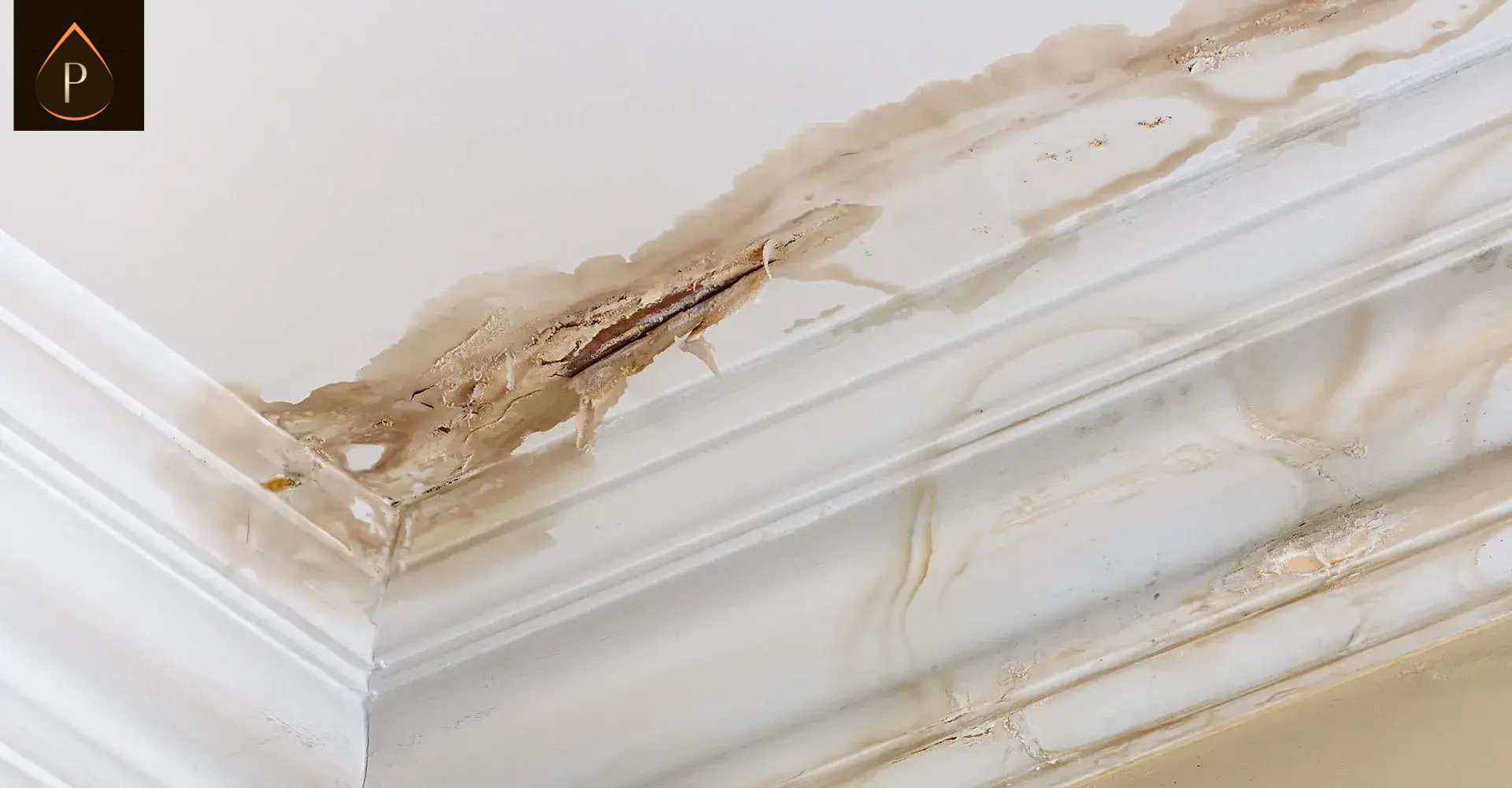
South Wales sees frequent rain, high humidity and strong coastal winds, so older homes in Swansea, Cardiff and Newport trap moisture easily. As a result, condensation, rising damp and penetrating damp often turn into hidden leaks inside walls, floors and ceilings.
PRBG Environmental works as a specialist partner for these properties, providing expert mould remediation, damp proofing and condensation control across Cardiff, Newport, Swansea and surrounding valleys. The team focuses on finding root moisture issues first, then designing safe, long‑term treatments instead of quick cosmetic fixes.
Thermal imaging surveys help visualise invisible cold spots and damp patches, even when surfaces still look dry and undamaged. Therefore, PRBG Environmental can pinpoint the exact source of leaks, plan targeted mould removal, and reduce the risk of the problem coming back later.
What is thermal imaging for damp assessments?
Thermal imaging for damp assessments uses an infrared camera to “see” temperature differences on surfaces, which often reveal hidden moisture patterns. It turns invisible heat into a colour image, so surveyors can spot cold spots and damp‑related anomalies inside walls, ceilings and floors.
A thermal camera does not show water directly, however it highlights areas where wet materials warm up or cool down differently from dry ones. These temperature contrasts often mark leaking pipes, saturated plaster, cold bridges or poorly insulated sections that encourage condensation and mould.
During a thermal imaging damp survey explained in simple terms, the surveyor slowly scans each room and building elevation, then interprets the patterns against how the property is built and used. This non‑invasive damp inspection in Swansea or anywhere in South Wales avoids drilling, chasing walls or lifting finishes just to hunt for leaks.
Thermal imaging works best when paired with moisture meters and humidity readings, because the camera shows where to look while the meters confirm how wet each area is. Together they provide a structured, accurate damp survey for homes and commercial buildings, turning each thermal camera mould survey South Wales into clear evidence rather than guesswork.
Hidden leaks exposed: problems you can’t see
Many Swansea and coastal South West homes have ageing roofs, long gutter runs and complex pipework hidden in walls and floors. Because of this, leaking pipes, roof ingress, failed gutters, cold bridges and uninsulated cavities often stay unseen until serious damage appears.
Slow, unnoticed leaks usually create black mould on corners, skirtings and behind furniture, along with stubborn musty odours that never fully clear. Over time, paint starts to peel, plaster softens or bubbles, and sensitive people may notice worsening coughs, asthma or sinus problems indoors.
Common warning signs of a hidden water leak include new stains on ceilings, discoloured patches on walls, warped flooring and areas that feel damp or cold to the touch. You might also see mould spots, hear dripping behind walls, or notice higher water bills even when usage seems normal.
Thermal imaging answers the question “How do I know if I have a hidden water leak?” by mapping temperature patterns across full walls, ceilings and floors. The camera reveals cooler or warmer streaks where water is travelling, so damp can be detected behind walls and under finishes without guesswork or destructive opening up.
Why thermal imaging is essential before mould removal
Many people reach straight for spray bottles and wipes when they see mould, however DIY cleaning rarely fixes the underlying damp. In high‑risk rooms like bathrooms and basements, surfaces might look better for a few weeks, yet active leaks and condensation keep feeding new mould growth.
If the property still has ongoing moisture from hidden pipes, roof defects or cold external walls, spores will simply re‑colonise once the area gets damp again. That is why large or recurring patches, strong odours and black mould in corners call for professional mould remediation in South Wales rather than more supermarket sprays.
A professional thermal imaging damp survey maps how moisture spreads through walls, ceilings and floors instead of just showing visible stains. The camera highlights cold, wet tracks plus dew point risks, so mould removal backed by damp survey data targets the true source, not only the surface growth.
During an expert damp and mould assessment Swansea or anywhere in South Wales, surveyors combine thermal images with moisture meter readings and building knowledge. This joined‑up picture lets mould removal specialists design precise remediation plans and long‑term control measures, rather than a “spray and pray” approach.
Our thermal imaging damp survey process
A thermal imaging damp survey usually starts with a short initial consultation, where you explain the problems you have noticed and any previous repairs. During the on‑site inspection, the surveyor walks through the property, checks construction details, and notes visible signs such as staining, condensation or mould patches.
Next comes the thermal imaging scan, where an infrared camera sweeps across walls, ceilings and floors to highlight cold bridges, hidden leaks and unusual moisture patterns. After that, targeted moisture readings and humidity checks confirm how damp each area is, which helps diagnose the true root cause rather than guessing from images alone.
Once the data is collected, PRBG Environmental prepares a clear written report with images, moisture maps and practical recommendations tailored to your building. Surveys cover both residential and commercial properties, including homes, offices, landlords’ portfolios, housing association stock and light industrial units across South Wales.
People often ask, “What happens during a thermal imaging damp survey?” and “How long does a damp survey take?” because they worry about disruption. In most cases, a standard home survey takes around two to four hours, is non‑invasive, and you can stay in the property while the expert works methodically from room to room.
From diagnosis to action: mould removal and remediation
Once a thermal imaging damp survey highlights where moisture is hiding, PRBG Environmental links those findings directly into a structured mould removal plan. The team works as mould removal specialists, starting with careful containment of affected rooms so spores do not spread into clean areas during treatment.
During professional mould remediation South Wales projects, technicians use controlled methods for black mould removal, including safe removal of damaged materials, HEPA vacuuming, and detailed surface cleaning. After that, thorough drying and dehumidification reduce moisture back to safe levels, while tailored ventilation or damp proofing upgrades support long‑term prevention.
For homes and businesses needing commercial mold remediation or professional mould removal, PRBG Environmental follows recognised guidance such as EPA and ANSI/IICRC S520 principles for safe work. This approach protects occupants’ health, preserves finishes wherever possible, and turns “moulding removal” or mould removal services near me searches into a precise, professionally managed solution rather than a quick wipe‑down.
Health risks: black mould and ongoing damp
Black mould releases spores that can irritate the airways and trigger coughing, wheezing and breathlessness, especially in damp, poorly ventilated rooms. These spores also increase the risk of allergies, asthma flare‑ups and infections, which is more serious for children, older adults and anyone with existing respiratory or heart conditions.
So, is black mould in my house dangerous? Yes, ongoing exposure can harm health even when patches look small, particularly for vulnerable family members. You should call a black mould removal specialist when growth keeps returning, covers more than a small area, or links to leaks, damp walls or musty odours that never clear.
Can you clean mould yourself? Small patches on hard surfaces may be manageable with care, yet DIY often misses hidden moisture and deeper contamination. Calling professional mould remediation experts such as PRBG Environmental means the source of damp is addressed and safe methods replace bleach sprays and short‑term fixes.
Thermal imaging damp surveys in Swansea, Port Talbot, Neath & Bridgend
Swansea and the South West corridor face strong sea air, driving rain and valley microclimates, so older terraces often trap moisture in corners and cold external walls. Poor ventilation in bathrooms, kitchens and bedrooms adds to the problem, leading to recurring condensation, black mould on ceilings and damp patches behind furniture.
PRBG Environmental acts as a trusted specialist across Swansea, Port Talbot, Neath and Bridgend, combining thermal imaging damp surveys with expert mould removal and condensation control. The team reads each property’s patterns, then designs localised solutions that protect both health and fabric, rather than treating South Wales mould as a simple cleaning job.
Cardiff and surrounding valleys
Cardiff, Merthyr Tydfil, Rhondda Cynon Taf, Caerphilly and the Vale of Glamorgan include many solid brick houses and long valley terraces that hold moisture in cold external walls. Loft condensation, ageing roofs and blocked gutters often add to the problem, so damp and mould can appear in bedrooms, stairwells and roof spaces even when rooms feel warm.
Homeowners searching for mould removal specialists Cardiff or professional mould removal Merthyr Tydfil need support that fits local building styles, weather exposure and daily heating and ventilation habits. PRBG Environmental offers damp survey Rhondda Cynon Taf and thermal imaging Caerphilly options that feed into tailored mould remediation, ventilation upgrades and condensation control across the Vale and nearby valleys.
Newport, Blaenau Gwent, Torfaen and Monmouthshire
In Newport and nearby areas, damp often appears in modern urban apartments with poor airflow, older semis with rising damp, and rural properties where stone walls stay cold and absorbent. Student lets and busy rental homes can see persistent condensation on windows, corners and bathrooms, especially when insulation is patchy and extraction is weak.
Searches for commercial mold remediation Newport, professional damp survey Monmouthshire or mould removal services near me in Torfaen match PRBG Environmental’s rapid response service for local landlords and businesses. Facilities managers, letting agents and owners get ongoing support, clear reports and practical follow‑up, rather than one‑off visits that leave long‑term damp and mould risks unresolved.
Commercial properties: mould and damp risk for businesses
Offices, healthcare settings, schools, hospitality venues and retail premises need fast, discrete and compliant commercial mold remediation to protect staff, visitors and stock. In these busy spaces, visible mould often starts with hidden leaks above suspended ceilings, behind cladding or in plant rooms, where damp can spread before anyone notices damage.
Thermal imaging helps facilities teams locate moisture around pipe runs, ductwork and roofing details without opening large sections of fabric or stopping operations. By mapping cold, damp tracks early, PRBG Environmental can plan targeted repairs and mould treatment before corrosion, staining or odours disrupt trading or clinical work.
How do you get rid of mould in commercial buildings? The safest route is a structured process: moisture diagnosis, containment, controlled removal, deep cleaning, drying and verification. Who is responsible for mould in a rented commercial property usually depends on the lease; structural damp and building defects typically sit with the landlord, while day‑to‑day ventilation and cleaning often fall to the tenant, so early reporting and clear surveys are essential.
Why choose PRBG Environmental
- Local South Wales expertise in condensation, leaks and black mould across mixed housing and commercial stock.
- Advanced thermal imaging equipment plus detailed moisture readings for full damp and mould diagnosis, not guesswork.
- Safe professional mould removal that follows recognised remediation principles for homes and businesses.
- Long‑term prevention strategies, including ventilation upgrades and moisture control, designed around each building and local climate.
- Coverage across Cardiff, Newport, Swansea, Merthyr Tydfil, Rhondda Cynon Taf, Caerphilly, the Vale of Glamorgan, Blaenau Gwent, Torfaen and Monmouthshire, with responsive support for landlords and commercial portfolios.
PRBG Environmental is presented as a trusted South Wales partner, with specialist qualifications and strong customer trust, yet the focus remains on clear diagnostics, compliant methods and practical outcomes rather than hard selling.
For persistent damp, staining or mould odours, property owners should arrange a professional thermal imaging damp survey and mould assessment before damage escalates. Homeowners, landlords and commercial clients can request a survey, discuss ongoing issues or plan remedial works as a proactive step toward healthier buildings.
For expert thermal imaging damp surveys and professional mould removal in Cardiff, Newport, Swansea and across South Wales, contact PRBG Environmental today on +44 7813 717687 to book your survey or request advice.
