
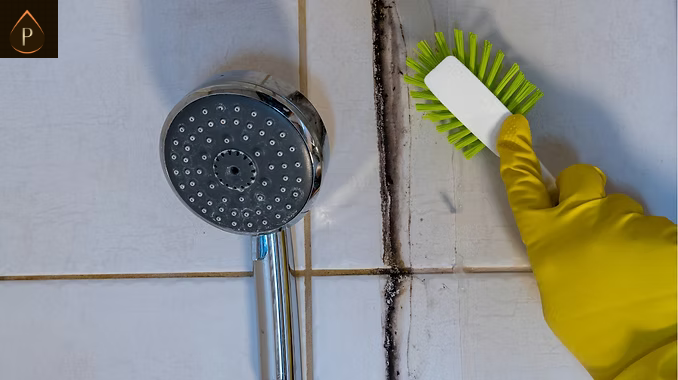
Black mould in your bathroom grout isn’t just unsightly—it’s a health hazard. Moreover, South Wales homes face unique challenges due to the region’s damp climate. Consequently, many homeowners struggle with persistent mould problems. However, you can tackle this issue effectively with the right approach.
PRBGE specialises in professional mould removal across South Wales. Nevertheless, many minor mould problems can be handled with DIY methods. Therefore, we’ve created this detailed guide to help you understand when DIY works and when professional help is needed.
Why Does Black Mould Grow on Bathroom Grout?
Understanding the root cause is essential for prevention. Moreover, knowing why mould grows helps you stop it permanently. Let’s explore the main reasons behind grout mould in South Wales homes.
Common Causes in South Wales Homes
High humidity develops naturally when you shower or bathe. A typical shower releases over 2 litres of water vapour. Consequently, bathroom humidity can reach 90-100% instantly. This moisture penetrates deep into porous grout lines.
Poor ventilation traps humid air inside bathrooms. Many South Wales properties lack adequate extractor fans. Therefore, moisture cannot escape properly. Subsequently, damp conditions persist for hours after bathing.
Cold surfaces meeting warm, moist air create condensation. External walls become extremely cold during winter months. When hot shower steam hits them, water droplets form immediately. This water then runs down into grout lines.
Porous grout absorbs water like a sponge. Unlike tiles, grout is highly absorbent. Once moisture enters, it struggles to dry out. Therefore, grout stays damp for extended periods.
South Wales’ damp climate brings persistent moisture year-round. Average humidity levels stay higher than most UK regions. Additionally, high rainfall affects indoor environments significantly. PRBGE sees increased mould problems between November and March.
Health Risks of Bathroom Mould
Black mould poses serious health risks to your family. Respiratory problems develop from inhaling mould spores. Common symptoms include persistent coughing and wheezing. Long-term exposure can damage lung tissue permanently.
Allergic reactions affect many people exposed to mould. Symptoms include sneezing, runny nose, and itchy eyes. Additionally, skin rashes can develop from direct contact. Children and elderly individuals are particularly vulnerable.
Asthma triggers worsen significantly in mouldy environments. Mould is one of the most common indoor allergens. Therefore, asthmatics must remove bathroom mould immediately. PRBGE uses asthma-safe products during all treatments.
Types of Mould on Grout
Black mould (Stachybotrys) is the most dangerous type. It appears as dark, slimy patches on grout. Additionally, it produces toxic mycotoxins that cause health problems. Never attempt to remove large areas yourself.
Pink mould isn’t actually mould—it’s Serratia marcescens bacteria. It appears as pink or orange slimy patches. However, it still indicates excessive moisture problems. Regular cleaning products remove it effectively.
Orange mould appears less frequently but indicates serious dampness. It often grows alongside black mould. Therefore, investigate potential leaks or water damage immediately.
When to call professionals: If mould covers more than 0.5m², contact PRBGE immediately. Additionally, recurring mould indicates underlying structural issues requiring expert assessment.
Essential Safety Steps for Mould Removal
Safety comes first when tackling bathroom mould. Indeed, proper precautions protect your health during cleaning. Moreover, following safety guidelines ensures effective removal.
Personal Protective Equipment (PPE)
Rubber gloves protect your hands from harsh chemicals. Choose thick, waterproof gloves extending past your wrists. Mould can irritate skin on direct contact. Therefore, never clean mould with bare hands.
Face masks or respirators prevent spore inhalation. Basic surgical masks offer minimal protection. Instead, use N95 or FFP2 respirators. These filter 95% of airborne particles effectively.
Eye protection prevents chemical splashes reaching your eyes. Regular glasses don’t provide adequate coverage. Instead, choose wraparound safety goggles. Additionally, they stop mould spores entering your eyes.
Old clothing should be worn and washed separately afterwards. Long sleeves and trousers protect your skin. Furthermore, remove contaminated clothing immediately after cleaning.
Ventilation Requirements
Open windows and doors before starting any cleaning. This creates cross-ventilation that removes spores. Additionally, fresh air circulation protects you during work. Keep windows open for at least two hours.
Use extractor fans throughout the entire cleaning process. Moreover, run them for 30 minutes afterwards. This removes airborne spores effectively from your bathroom.
Avoid spreading spores by closing doors to other rooms. Additionally, seal air vents temporarily with plastic. This contains spores within the bathroom area.
Keep children and pets away during cleaning and drying. They’re more vulnerable to mould exposure. Furthermore, cleaning chemicals pose additional risks to them.
When to Call Professionals
Extensive mould coverage over 0.5m² requires professional treatment. This indicates serious underlying problems. PRBGE handles extensive mould safely and effectively.
Mould returning repeatedly signals deeper moisture issues. Surface cleaning isn’t enough in these cases. Additionally, professional assessment identifies hidden problems.
Health-affected individuals need immediate professional help. Don’t risk their wellbeing with DIY attempts. PRBGE offers emergency mould removal services.
Hidden mould behind tiles requires specialist detection equipment. PRBGE uses thermal imaging to locate hidden dampness. Moreover, we handle tile removal and replacement professionally.
7 Proven Methods to Remove Mould From Bathroom Grout
Multiple methods effectively remove mould from grout. However, each suits different situations and budgets. Therefore, choose based on mould severity and grout type.
Method 1: Biocidal Mould Wash
Professional-grade mould killer designed for UK homes. It’s the most powerful option available. PRBGE uses similar products for commercial treatments.
Best for: Tiles, grout, silicone, and shower areas. Works on moderate to severe mould problems effectively.
How to use: Spray directly onto affected grout. Leave for 20-30 minutes as instructed. Agitate with stiff brush thoroughly. Finally, rinse completely with clean water.
UK Products: Universeal Grout Mould Remover (£11.50) and Cillit Bang Black Mould Remover (£3). Both kill mould and prevent regrowth effectively.
Method 2: Bleach Solution
Mix 1 part bleach with 10 parts water carefully. This creates a powerful whitening solution. However, use only on white grout.
Best for: Budget-conscious cleaning of white grout only. Bleach permanently discolours coloured grout.
How to use: Apply with spray bottle or brush. Leave for 15-30 minutes maximum. Scrub with old toothbrush thoroughly. Rinse completely with clean water.
Safety warning: Always ventilate well. Never mix bleach with other cleaners. Additionally, wear gloves and eye protection always.
Method 3: White Vinegar
Undiluted white vinegar provides natural cleaning power. It’s eco-friendly and completely non-toxic. Moreover, it’s safe for all grout colours.
Best for: Light mould and regular maintenance. Additionally, perfect for households preferring natural products.
How to use: Spray undiluted vinegar directly on grout. Leave for one hour minimum. Scrub with stiff brush vigorously. Rinse with clean water thoroughly.
Method 4: Baking Soda Paste
Mix baking soda with water to form thick paste. This creates gentle natural cleaning action. Furthermore, it’s completely safe to use.
Best for: Light staining and preventative cleaning. Additionally, perfect for regular maintenance schedules.
How to use: Apply paste directly to grout lines. Leave for 10-15 minutes. Scrub with brush thoroughly. Finally, rinse clean with water.
Boost effectiveness: Combine with vinegar for fizzing action. This enhances cleaning power significantly.
Method 5: Hydrogen Peroxide
3% hydrogen peroxide solution from pharmacies. Provides natural antifungal and bleaching action. Moreover, it’s safer than chlorine bleach.
Best for: Natural bleach alternative. Works on moderate mould problems effectively.
How to use: Spray 3% solution directly on mould. Leave for 10 minutes minimum. Scrub and rinse thoroughly afterwards.
Method 6: Borax Solution
Mix 1 tablespoon borax per 250ml warm water. Creates natural fungicidal solution effectively. Additionally, it inhibits future growth.
Best for: Prevention and general cleaning. Works on multiple bathroom surfaces.
How to use: Apply solution with clean sponge. Scrub grout lines thoroughly. Leave slight residue for prevention. Finally, rinse lightly only.
Warning: Keep away from children and pets always.
Method 7: Lemon Juice
Fresh lemon juice costs only 25p per lemon. Natural citric acid kills mould effectively. Moreover, it smells pleasant during use.
Best for: Budget-conscious households. Works on light mould problems.
How to use: Squeeze fresh lemon onto mould. Leave for 10 minutes. Scrub and rinse thoroughly afterwards.
How to Remove Mould From Grout and Silicone
Silicone requires different treatment than grout. Moreover, mould penetrates silicone differently. Therefore, specific techniques work best.
Why Silicone Gets Mouldy
Non-porous surfaces make mould sit on top initially. However, it eventually penetrates if left untreated. Constant moisture from showers creates perfect conditions.
Silicone Mould Removal Method
Use biocidal mould remover gel for vertical surfaces. Apply 3mm thick layer directly. Leave for 5-6 hours or overnight. Finally, wipe clean with damp cloth.
Product recommendation: Skylarlife Mould Gel (£13.99 on Amazon UK). PRBGE recommends it for DIY treatments.
When to Replace Silicone
Deep mould penetration requires complete silicone replacement. Additionally, cracking or peeling indicates deterioration. Repeated mould despite cleaning signals replacement time.
How to replace: Cut away old silicone carefully. Clean surface thoroughly before reapplication. Apply mould-resistant sanitary silicone. Finally, allow 24 hours to cure completely.
Prevention Strategies
Prevention is easier than repeated removal. Moreover, it protects your family’s health long-term. Therefore, implement these strategies consistently.
Immediate Post-Shower Actions
Wipe down tiles and grout after every shower. Use a squeegee on shower screens. Leave shower doors or curtains open. Run extractor fans for 20+ minutes.
Improve Bathroom Ventilation
Install or upgrade your extractor fan. Open windows after bathing regularly. Use dehumidifiers in problem bathrooms. Maintain steady heating during winter months.
Seal Your Grout
Apply grout sealer after thorough cleaning. This creates a protective moisture barrier. Reapply sealer annually for best protection. PRBGE offers professional sealing services.
Regular Maintenance Schedule
Weekly: Quick vinegar spray and wipe. Monthly: Deep clean with biocidal wash. Quarterly: Check silicone condition thoroughly. Annually: Apply fresh grout sealer.
When to Call Professional Mould Removal Services
Some situations require professional expertise immediately. PRBGE provides comprehensive mould removal across South Wales.
Signs You Need Professional Help
Mould covering more than 0.5m² area. Mould returning within weeks of cleaning. Health symptoms like asthma or allergies. Musty odours persisting after cleaning.
What PRBGE Provides
Safe removal using proper protective equipment. Anti-fungal treatments preventing regrowth. Root cause identification and permanent fixes. Air quality testing and ventilation solutions.
Emergency response: Same-day services available. Permanent prevention through ventilation systems. Health-focused approach for vulnerable individuals. Complete service from removal to prevention.
Final Thoughts
Removing black mould from bathroom grout protects your family’s health. Moreover, addressing root causes prevents future problems. Regular maintenance saves time and money long-term.
PRBGE offers professional mould removal when DIY isn’t enough. Additionally, we provide permanent solutions addressing underlying causes. Contact us for expert assessment and guaranteed results.
South Wales homes face specific mould challenges. However, proper ventilation and maintenance keep bathrooms mould-free. Start with safety precautions, choose your method, and implement prevention strategies today.
Frequently Asked Questions
How do I remove black mould from tile grout?
Use biocidal mould wash for best results. Spray directly on mould. Leave for 20-30 minutes. Scrub with stiff brush. Finally, rinse thoroughly.
What is the best way to remove mould from grout?
Professional biocidal mould removers work most effectively. UK-recommended products include Universeal and Cillit Bang. Always wear PPE and ensure ventilation.
How do you remove mould from shower grout naturally?
White vinegar is the most effective natural solution. Spray undiluted vinegar on grout. Leave for one hour. Scrub and rinse thoroughly.
Why does mould keep coming back?
Recurring mould indicates underlying moisture problems. Check ventilation, humidity, and potential leaks. Address root causes for permanent solutions.
