
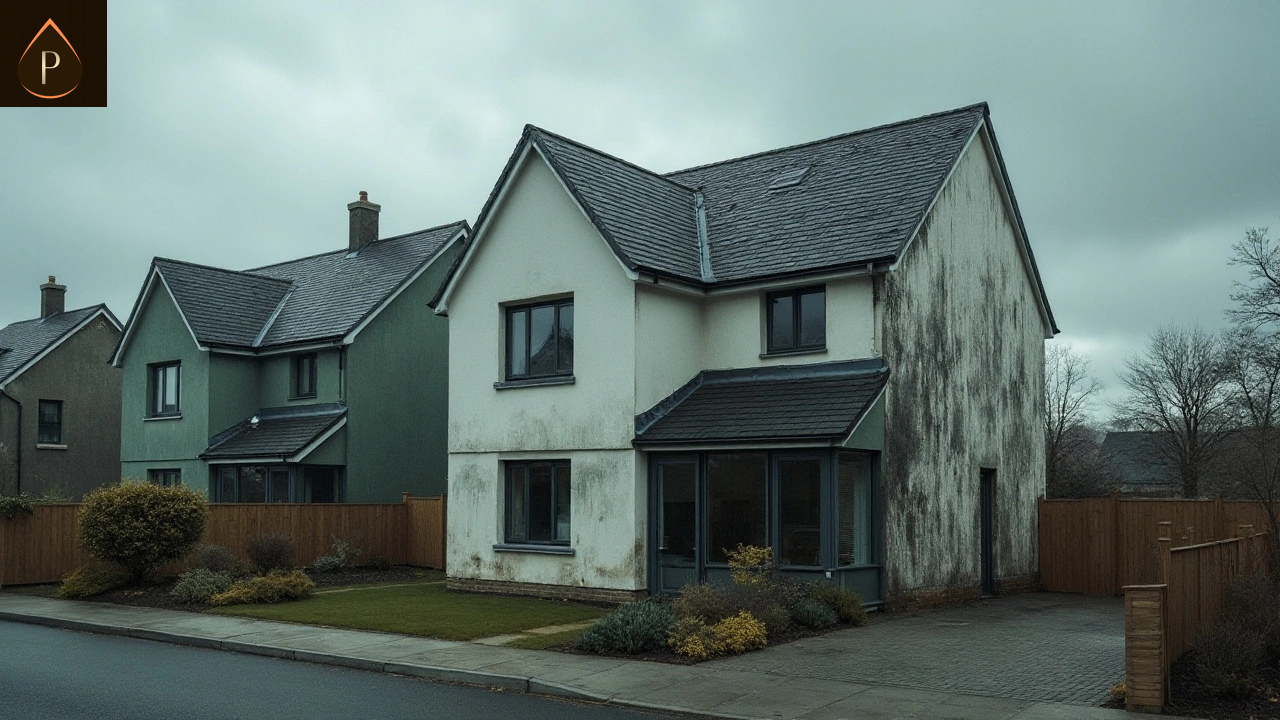
Many homeowners assume that a brand‑new property in South Wales will be “mould‑proof,” yet the reality is usually very different. During construction, builders use huge amounts of water in concrete, screed and plaster, so new homes often start life full of trapped moisture. Because modern properties are designed to be highly insulated and airtight, this moisture cannot always escape through natural ventilation.
Then, once people move in, everyday activities like cooking, showering and drying clothes indoors add even more humidity to the air. When that extra moisture hits cold walls, corners and windows, it can quickly turn into condensation and visible mould, even in a “perfect” new build.
Across Cardiff, Newport, Swansea and the South Wales Valleys, more new build owners are now reporting mould problems within the first one or two winters.
Homes in these coastal and valley areas face a naturally damp climate, so any construction moisture and poor ventilation show up faster.
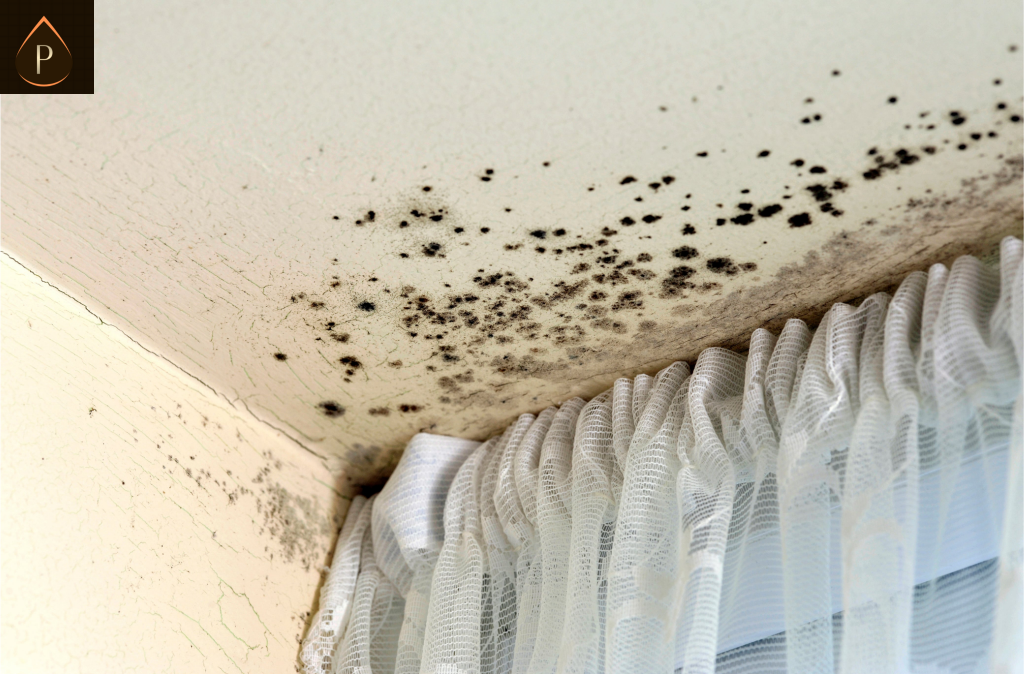
Because of that combination, families are sometimes surprised to see black spots, musty smells and condensation streaks so soon after moving in.
In situations like this, it helps to involve a local specialist rather than rely on quick DIY cleaning. PRBGE is a dedicated mould remediation and moisture‑control company working across Cardiff, Newport, Swansea and the surrounding valleys.
Their team focuses on finding the true source of moisture in new build homes and then designing safe, long‑term solutions to keep mould away.
Why Modern New Builds Aren’t Immune to Damp and Mould
Construction Moisture and the “Drying Out” Period
New build homes start life with a surprising amount of water locked into their structure.
Wet trades such as plaster, screed, concrete and mortar release thousands of litres of moisture as they cure.
Because of this, it can take 12–24 months for a property to reach a normal moisture balance, especially in a damp climate. If heating and ventilation are not used correctly during this drying out period, that moisture stays inside the home.
In winter, warm moist air hits cold walls, ceilings and window reveals, and then it quickly turns into condensation.
Over time, this repeated condensation feeds patches of black mould on cold corners, skirtings and behind furniture. For South Wales homeowners, working with PRBGE early in a new build’s life can make a real difference.
Their moisture surveys help you understand whether you are just seeing normal drying out or a deeper damp problem.
Airtight, Energy‑Efficient Designs Creating Condensation Traps
Modern homes are designed to be highly insulated and very airtight, which is great for energy efficiency. However, when a building is almost sealed, it loses many of the natural draughts that used to carry humid air outside.
Everyday activities such as cooking, showers and drying clothes indoors then create large amounts of moisture in the air.
If that moisture cannot escape quickly, it settles on the coldest surfaces and encourages persistent mould growth. Extractor fans, trickle vents and PIV systems are meant to control this moisture, but they often do not perform as they should.
Fans may be noisy, poorly specified or simply not switched on for long enough after showers and cooking.
Trickle vents are sometimes kept closed because of draughts or street noise, which reduces background ventilation even further.
Where a PIV unit is fitted in a modern airtight home, it also needs proper escape routes, or it can struggle to move moist air out. PRBGE can check whether your current ventilation set‑up is doing its job or quietly allowing condensation to build up.
Design and Installation Issues in New Builds
Even small design or installation faults in a new build can tip the balance towards damp and mould. Common issues include undersized or overly long duct runs that restrict airflow from bathroom and kitchen extract fans.
Flexible ducting may be crushed or kinked in ceilings or lofts, which further reduces performance and leaves stale, humid air behind. Missing or blocked trickle vents and poorly balanced mechanical ventilation systems are also frequent findings in modern properties. These details create cold spots and dead zones where moisture collects.
Cold bridges at lintels, corners and window reveals can stay several degrees cooler than nearby surfaces.
Because moist air always condenses on the coldest area, those corners, reveals and skirtings often show the first signs of black mould. When PRBGE surveys a new build, they look carefully at these details rather than just treating visible staining.
That approach helps them design solutions that deal with airflow, insulation and moisture together, not in isolation.
Lifestyle Factors in New Build Properties
Of course, how a home is lived in also has a direct impact on humidity levels.
Higher occupancy means more cooking, more showers and more breathing, which all add water vapour to the air.
Working from home increases time spent indoors, so heating and moisture‑producing activities run for longer each day.
Drying clothes on radiators or airers, especially in winter, can release several litres of water into a single room.
These lifestyle patterns can push even a well‑built home over the threshold where condensation and mould start to appear.
However, mould problems are rarely “just lifestyle” when they are persistent, widespread or quickly returning after cleaning.
In those cases, a proper root‑cause diagnostic survey is essential to check for building and ventilation defects as well. PRBGE combines moisture readings, ventilation checks and practical advice on day‑to‑day habits.
That way, you get a clear action plan that covers both how the property is used and how the building itself performs.
Typical New Build Mould Symptoms in South Wales Homes
In many South Wales new builds, mould starts with small but very clear warning signs.
- Black mould spots on bedroom and living room external walls, especially near skirting boards, cold corners and behind furniture.
- Condensation on new double‑glazed windows and patio doors most mornings, often with water sitting on sills and frames.
- Persistent musty odours in new wardrobes, cupboards and built‑in storage, even when everything looks dry on the surface.
- Peeling paint, bubbling or blown plaster, and brown or dark staining around window reveals and ceiling junctions.
When you notice these symptoms in a South Wales new build, it is sensible to act early rather than wait for things to get worse.
You can request a professional mould remediation and moisture assessment from PRBGE to understand exactly what is causing the problem and how to fix it for good.
Health Risks of New Build Mould for Families and Tenants
Mould is more than a cosmetic issue, especially in modern airtight homes where air has less room to circulate.
When mould grows, it releases spores and sometimes mycotoxins into the air, which people then breathe in day after day.
For many occupants, this exposure can trigger or worsen asthma, coughing, wheezing and general breathing difficulties.
It can also lead to sneezing, runny nose, itchy eyes, skin irritation and frequent headaches or fatigue.
These effects are often stronger in children, older adults and anyone with allergies or a weakened immune system.
Because of these risks, it is important not to rely on repeated DIY cleaning alone, especially in a new build that keeps getting mould.
Instead, arranging an early professional assessment with a specialist like PRBGE helps tackle both the visible mould and the hidden moisture that feeds it.
DIY vs Professional Mould Removal in New Builds
Limits of DIY Mould Cleaning in New Homes
Many people reach for bleach or a supermarket spray when they see black spots, but this usually only treats the surface.
On porous materials like plaster, drywall and timber, mould roots sit deeper inside the surface where bleach cannot reach.
Because bleach is mostly water, it can actually soak into the wall and give hidden mould more moisture to grow back.
Another problem is that scrubbing mould without proper containment spreads spores into the air and onto nearby surfaces.
Without the right PPE, people can breathe in a high number of spores while they clean, which is not ideal for health.
So, DIY methods may make the wall look better for a short time, yet the mould often returns within weeks.
Benefits of Using Mould Removal Specialists
A professional approach focuses on the cause, not just the stain on the paint.
PRBGE works as a specialist mould removal and moisture‑control company, using diagnostic equipment to understand what is really happening in your new build.
Their surveys can include moisture readings in walls and floors, humidity checks and a detailed look at ventilation performance.
When it comes to treatment, PRBGE uses safe, purpose‑designed biocidal products and methods instead of harsh, unsuitable chemicals.
They manage the process so spores are controlled and removed, rather than simply brushed into the air.
Alongside this, they can recommend ventilation upgrades, condensation control measures and long‑term prevention steps tailored to your South Wales property.
When to Call a Black Mould Removal Specialist
There are several clear triggers that mean it is time to involve a black mould specialist.
If mould keeps coming back after cleaning or is spreading across multiple rooms, DIY has already reached its limit.
You should also seek help if a new build rental has ongoing mould issues affecting tenants, or if anyone in the home is experiencing related health symptoms.
Situations that involve disputes with builders, developers or landlords are another reason to get an independent professional survey.
In those cases, PRBGE can provide clear evidence of moisture sources and practical recommendations, which helps support discussions and formal complaints if needed.
New Build Mould Solutions in Cardiff & the Valleys
In high‑density new developments around Cardiff and the Vale of Glamorgan, condensation and mould often show up sooner than people expect.
Flats and townhouses near the waterfront, or in tightly packed estates, can suffer from condensation on external walls and colder corners.
Bathrooms and kitchens sometimes have extractor fans that are undersized, noisy or simply not used long enough, so steam hangs in the air.
When that warm moist air hits cooler external walls and window reveals, it quickly turns into droplets and then black mould.
PRBGE offers tailored surveys for new build apartments, townhouses and family homes in Cardiff, Penarth, Barry and across the Vale.
Their team assesses moisture levels, ventilation performance and building details so the solution matches the exact layout and location of each property.
Expert Mould Remediation for New Builds in Merthyr Tydfil, Rhondda Cynon Taf & Caerphilly
New estates in Merthyr Tydfil, Rhondda Cynon Taf and Caerphilly sit in valleys and on exposed hillsides, which affects how moisture behaves.
Shaded plots can stay colder and damper for longer, especially in winter, so condensation lingers on external walls and window areas.
Homes on exposed slopes may also face driving rain and wind‑chill, which increases the risk of damp patches and mould growth.
Across these areas, PRBGE provides professional mould remediation, damp proofing and condensation control for new build properties.
They combine safe mould removal with practical measures to manage valley climates, such as improved ventilation and targeted insulation advice.
Why Homeowners in Cardiff Choose PRBGE Environmental
Cardiff homeowners often choose PRBGE because they understand local building styles and typical South Wales moisture problems.
- Local specialist knowledge of South Wales housing stock and new build designs.
- Scientific diagnostics using moisture readings, humidity checks and ventilation assessments.
- Strong focus on long‑term prevention, not just short‑term cleaning.
- Friendly, professional service for both owner‑occupiers and landlords.
Call 0333 335 6086 to arrange a mould and moisture survey for your new build home in Cardiff or the Valleys.
Professional Mould Remediation for New Builds in Newport & Surrounding Areas
New Build Condensation and Mould in Newport, Blaenau Gwent, Torfaen & Monmouthshire
In and around Newport, many new build estates and apartment blocks show a repeating pattern of condensation and mould.
Poorly ventilated bathrooms and en‑suites allow steam to spread into bedrooms and halls, where it settles on cooler surfaces.
Under‑heated rooms, especially spare bedrooms and corners of open‑plan spaces, become cold spots where moisture collects on external walls.
PRBGE provides professional mould remediation and moisture assessments across Newport, Cwmbran, Abergavenny, Ebbw Vale and nearby towns.
Their surveys help homeowners, landlords and managing agents understand whether condensation, leaks or design issues are driving the problem.
Commercial Mold Remediation for New Developments
New build blocks and commercial schemes need a different level of support when mould appears in shared spaces.
PRBGE can assist landlords, developers, housing associations and managing agents with commercial mould remediation in communal areas, stairwells and plant rooms.
They provide clear reports, method statements and documentation that support legal compliance and transparent tenant communication.
Responsive Support and Long‑Term Prevention in Newport
In the Newport area, speed and clarity are important when mould complaints arise.
- Quick mobilisation for urgent or health‑related cases.
- Clear, plain‑English reporting that explains causes and recommended actions.
- Practical advice for residents on daily habits, ventilation use and simple prevention steps.
- Follow‑up checks where needed to confirm that moisture and mould are under control.
If you manage or own a new build property in Newport or nearby and are facing damp or mould complaints, call 0333 335 6086 for expert help.
Specialist New Build Mould Services in Swansea, PortTalbot, Neath & Bridgend
Why Coastal and Exposed New Builds Face Extra Mould Risks
Coastal and exposed locations around Swansea, Port Talbot, Neath and Bridgend create extra challenges for new build homes.
Humid sea air and driving rain can cool external walls and push moisture into weak spots in the building envelope.
When those walls are under‑insulated or have cold bridging, condensation and penetrating damp can appear surprisingly quickly.
In these towns, many residents notice mould on external walls, around window reveals and in bedrooms with limited ventilation.
Poorly ventilated rooms, especially in modern airtight homes, allow that coastal humidity to linger and feed mould growth.
Professional Mould Removal & Damp Control in Swansea New Builds
PRBGE delivers specialist services for new builds in Swansea and the wider South West Wales area.
Their work includes detailed moisture and damp assessments, black mould removal and advice on tackling both condensation and structural damp.
They can also recommend and install ventilation upgrades, such as PIV systems and improved extractor fans, to keep humidity under control.
Long‑term mould prevention coatings and targeted repairs help protect walls, ceilings and reveals from future growth.
These services are available for both residential and commercial properties, from individual flats to larger developments and managed blocks.
Bridgend and South West Wales: Ongoing Protection for New Properties
In Bridgend and surrounding South West areas, PRBGE supports homeowners, landlords and developers who want lasting protection against mould.
They design solutions that match each site’s exposure, occupancy and ventilation, rather than offering one‑size‑fits‑all products.
Book a professional mould survey for your Swansea, Neath, Port Talbot or Bridgend property by calling 0333 335 6086.
Our Professional Process for New Build Mould Removal
Step 1 – Moisture & Damp Assessment
Every successful remediation project starts with a thorough assessment.
PRBGE uses specialist diagnostic tools to check for condensation, high humidity, hidden leaks, rising damp and structural water ingress.
They measure moisture levels in walls and floors, review ventilation performance and consider how each space is used day to day.
You then receive a detailed report that explains the root causes specific to your new build, such as ventilation issues, insulation gaps or design details.
This report becomes the basis for a targeted remediation and prevention plan, rather than guesswork.
Step 2 – Safe Black Mould Removal and Remediation
Once the plan is agreed, PRBGE carries out controlled mould removal using industry‑approved biocidal treatments.
They use appropriate PPE, containment methods and filtration to reduce the spread of spores during the work.
Treatments are tailored for walls, ceilings, windows, grout, timber and other affected surfaces.
Where mould has stained silicone, sealants or finishes, PRBGE can provide silicone renewal and advice on redecoration.
This helps the property look fresh again while the underlying moisture issue is being resolved.
Step 3 – Condensation Control, Ventilation & Long‑Term Prevention
After removal, long‑term control is the key to stopping mould from returning.
PRBGE can recommend solutions such as PIV units, upgraded extractor fans, trickle vents and general airflow optimisation.
Where helpful, they may also suggest long‑term mould prevention coatings for high‑risk areas.
Each property receives a tailored prevention plan that fits its layout, occupancy and local climate.
Homeowners and tenants also get clear guidance on heating and ventilation use, so daily habits support the technical fixes.
Why Choose PRBGE Environmental for New Build Mould Problems in South Wales?Local Specialist Knowledge Across Cardiff, Newport & Swansea
PRBGE is a specialist mould remediation and moisture‑control company based in South Wales.
They have deep experience with the regional climate, local housing types and the specific challenges that new builds face in Cardiff, Newport and Swansea.
Because they work across the region every day, they understand how small design details and location can change the best solution.
Scientific, Root‑Cause Approach – Not Just Cleaning
PRBGE follows a diagnostic‑led approach rather than simple surface cleaning.
Their team uses moisture readings, humidity monitoring and ventilation checks to find the true source of mould.
Recommendations are evidence‑based and geared towards long‑term prevention, not quick cosmetic fixes.
Coverage Across South & South East Wales
- Cardiff and the Vale of Glamorgan.
- Merthyr Tydfil, Rhondda Cynon Taf and Caerphilly.
- Newport, Blaenau Gwent, Torfaen and Monmouthshire.
- Swansea, Port Talbot, Neath, Bridgend and surrounding South and South East Wales areas.
Ready to Stop New Build Mould for Good?
If you are worried about mould in a new build, early action can save time, money and stress.
PRBGE invites you to book a professional mould and moisture survey to understand exactly what is happening in your home or development.
Call 0333 335 6086 to speak to a mould removal specialist today and discuss your property in Cardiff, Newport, Swansea or anywhere in South Wales.
Even if you are only at the “concerned” stage, their team is happy to offer friendly, practical guidance on the next steps.
