
Merthyr Tydfil, Rhondda Cynon Taf, Caerphilly and the Vale of Glamorgan.
Cardiff and the surrounding valleys combine a humid maritime climate, frequent rainfall and a large proportion of older housing, which together create ideal conditions for mould, condensation and damp to develop and spread quickly. Solid‑wall terraces, stone cottages and older flats often struggle with cold internal surfaces, limited insulation and ventilation, so everyday moisture from cooking, showering and drying clothes indoors easily turns into persistent condensation, black mould patches and musty odours.
PRBGE provides specialist surveys, accurate moisture diagnostics and targeted mould removal to protect homes in Cardiff, Merthyr Tydfil, Rhondda Cynon Taf, Caerphilly and the Vale of Glamorgan, helping to safeguard both your property’s structure and your indoor air quality throughout the wet South Wales winters.
Common damp and mould issues in Cardiff properties
Many homes across Cardiff and the surrounding valleys face the same damp and mould challenges every winter, especially where older buildings, limited insulation and high humidity come together. When everyday moisture from cooking, showering and drying clothes cannot escape, it quickly turns into condensation on cold surfaces and creates the perfect environment for mould to grow.
Problems we commonly see in local homes, rentals and business properties include:
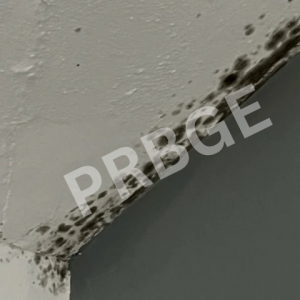
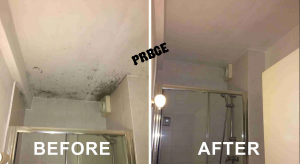
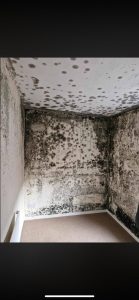
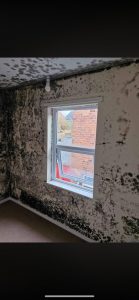
- Persistent black mould on bedroom and bathroom walls, window reveals and ceilings.
- Condensation running down windows and forming on cold external walls during colder months in both domestic and commercial spaces.
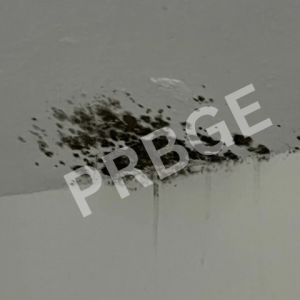
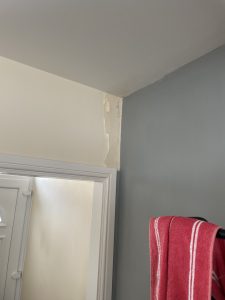
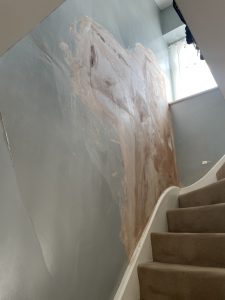
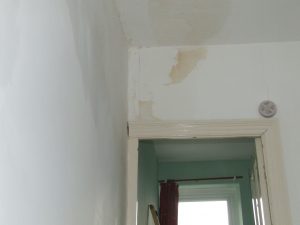
- Musty smells, peeling paint and damp patches on ceilings, chimney breasts and corners of rooms or offices.
- Repeated mould growth in bathrooms, staff facilities and shower rooms around tiles, grout, silicone and poorly ventilated areas.
- Health concerns such as coughing, wheezing, sneezing and headaches that may be aggravated by damp and mouldy indoor air, particularly for vulnerable occupants, tenants and staff.
Specialist Mould, Condensation and Damp Solutions for Cardiff
Every property is different, so we don’t offer one‑size‑fits‑all “quick fixes”. Instead, PRBGE designs bespoke treatment plans for Cardiff homes, rentals and commercial buildings that tackle both the visible mould and the underlying moisture problem, using a mix of professional remediation, condensation control, ventilation and building repair where needed.
Our specialist services in your area include:
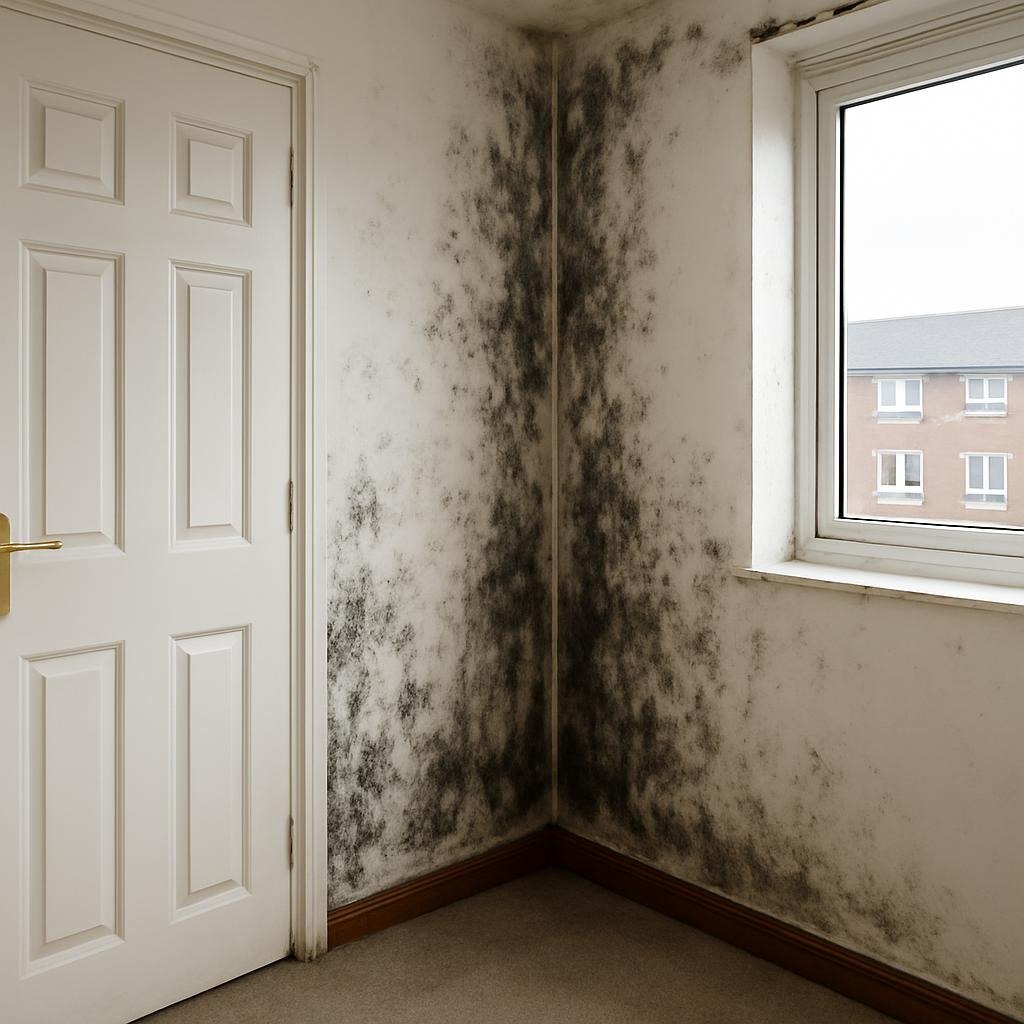
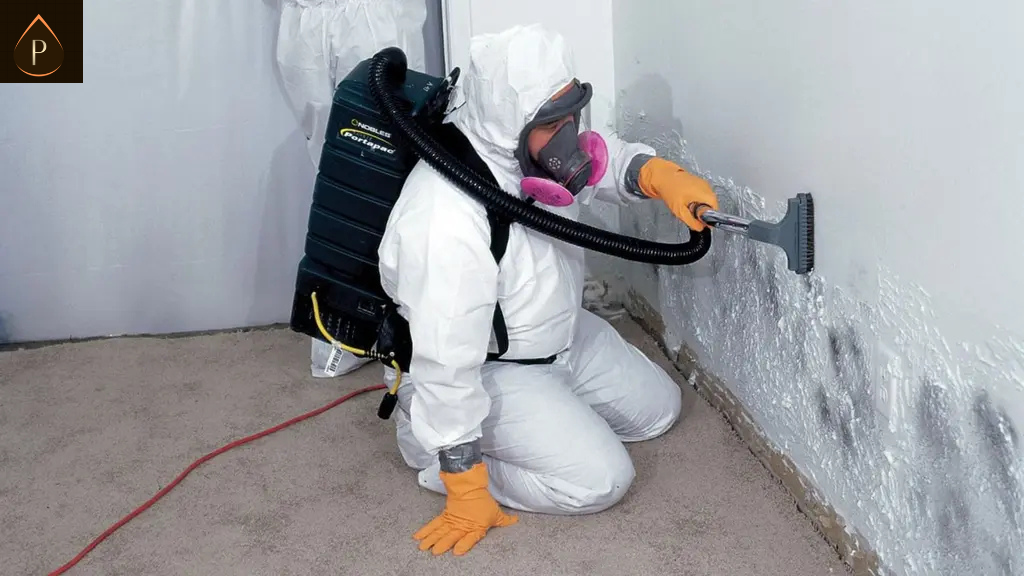
Professional mould removal & remediation
safe removal of black mould and other contamination using industry‑approved methods, localised containment and professional‑grade treatments that go beyond basic household cleaners.

Condensation control surveys
Detailed assessments of humidity levels, cold spots, ventilation and insulation to understand exactly why condensation and mould are forming in your Cardiff property.
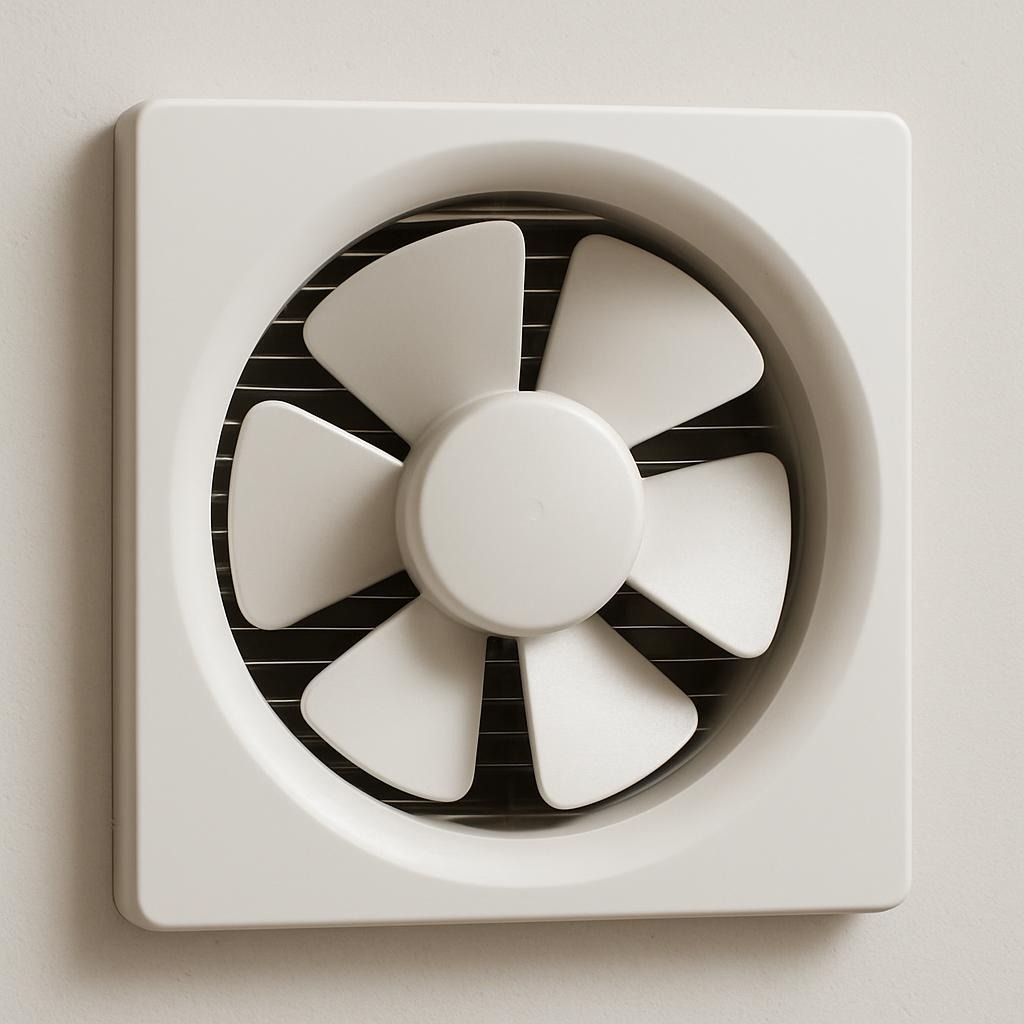
Ventilation systems
Installation and upgrading of modern mechanical ventilation, including Positive Input Ventilation units, heat‑recovery systems and high‑performance extractor fans to keep air fresh and reduce moisture build‑up.
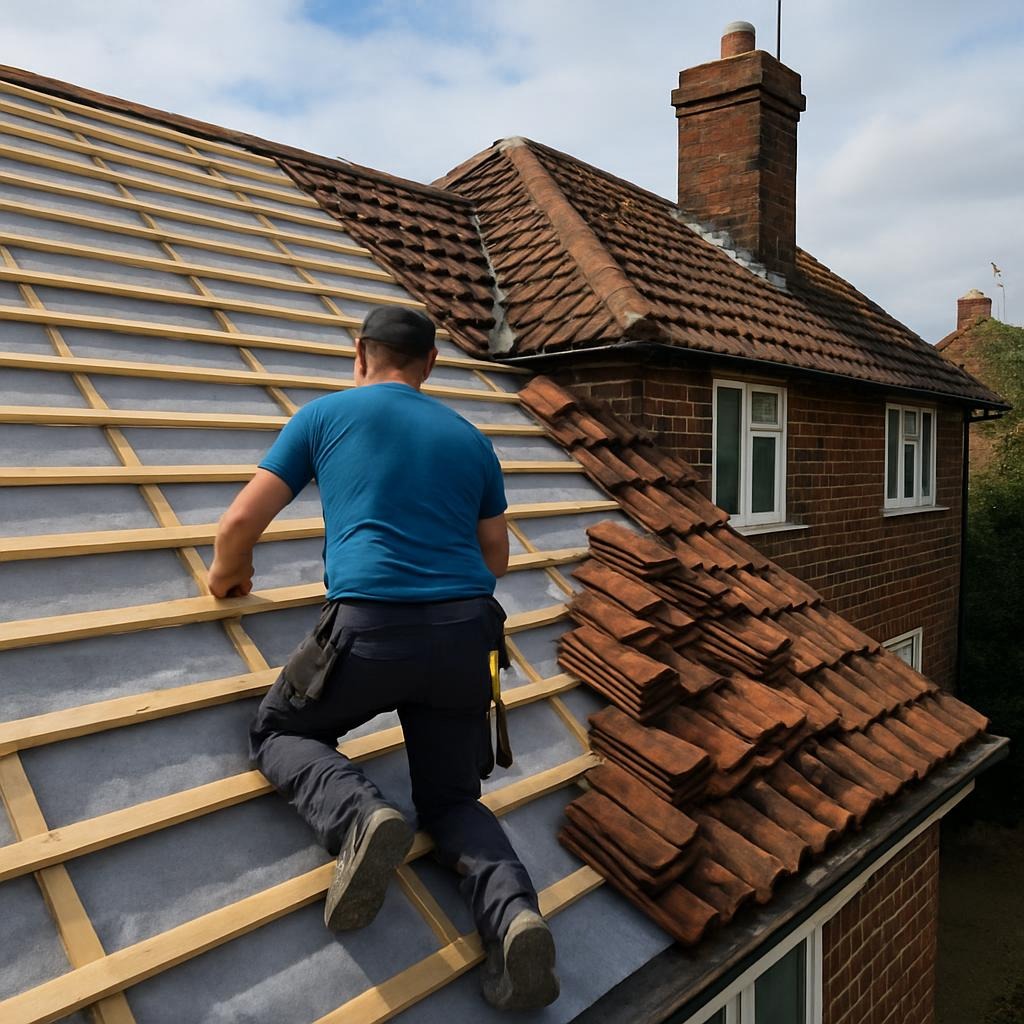
Roofing Retrofits and Water Ingress Protection
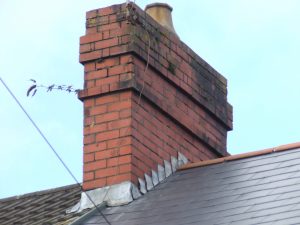
Identifying and tackling penetrating damp, leaks and water ingress through roofs, chimneys and external walls so that moisture is stopped at source, not just treated on the surface.
Areas we cover around Cardiff
We provide mould removal, damp and condensation solutions not only in Cardiff itself but right across the surrounding valleys, including Merthyr Tydfil, Rhondda Cynon Taf, Caerphilly and the Vale of Glamorgan. Whether you are a homeowner, landlord or business owner in the city centre, in coastal towns like Penarth and Barry or in valley communities around Pontypridd and beyond, PRBGE can arrange local surveys and treatments to suit your property.
Why choose PRBGE in Cardiff?
Evidence‑based, not guesswork
We use specialist moisture assessments, detailed damp surveys and, where needed, thermal imaging to understand exactly what is causing mould and damp in your property.
Specialist mould and moisture experts
Dedicated to mould removal, condensation control and damp solutions across South Wales, rather than general cleaning or basic repairs.
Clear reports and structured plans
Homeowners, landlords and commercial clients receive clear explanations, written findings and a step‑by‑step remediation and prevention plan.
Long‑term Protection
We combine safe treatment with practical ventilation, roofing and moisture‑control improvements to help keep properties healthier and in line with modern expectations around damp and mould.
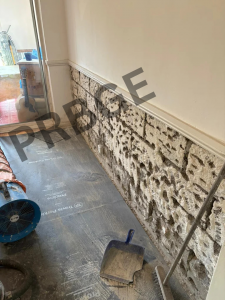
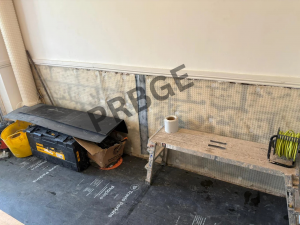
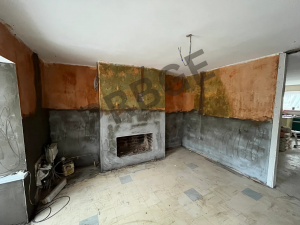
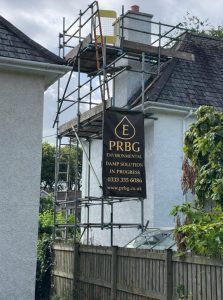
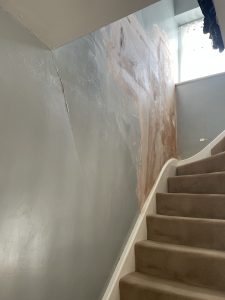
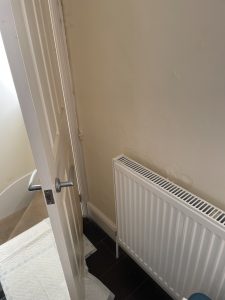
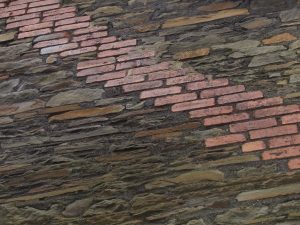
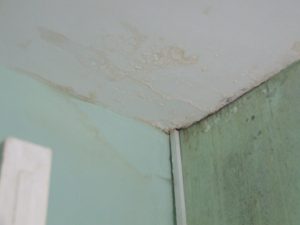
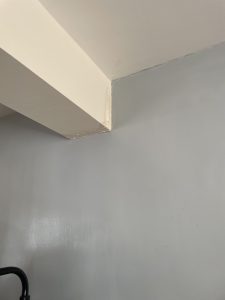
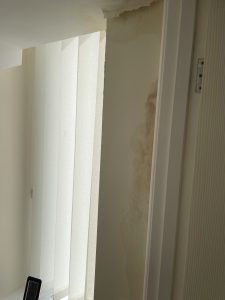
Transformations: Cardiff Homes Before and After Professional Mould Remediation
Frequently Asked Questions
We have compiled a list of frequently asked questions to help you find instant answers to your queries
How do I know if the mould in my Cardiff property is just condensation or a more serious damp problem?
Condensation mould usually appears on cold surfaces like external walls, windows and ceilings, often worsening in winter and in rooms with poor ventilation such as bedrooms and bathrooms. More serious damp problems may show as damp patches that stay even in dry weather, blistering paint, crumbling plaster, stains near chimneys or low down on walls, all of which can indicate penetrating or rising damp or hidden leaks. Our surveys in Cardiff and the surrounding valleys are designed to tell the difference by using moisture readings, visual inspection and, where needed, additional diagnostics so we can identify the real cause before recommending treatment.
Is the black mould on my walls dangerous for my family or tenants?
Black mould and other indoor moulds release tiny spores that can irritate the airways and may worsen coughing, wheezing, asthma and allergies, particularly in children, older adults and people with existing breathing or immune problems. Even when symptoms seem mild, official guidance in the UK is clear that damp and mould should not be ignored because long‑term exposure can pose health risks and may also affect the condition of the building. Our role is to safely remove visible mould, reduce airborne spores and deal with the underlying moisture so that your indoor environment is healthier for everyone living or working there.
What does a professional mould and damp survey in Cardiff include?
A typical survey includes a full visual inspection of affected rooms and surrounding areas, checks to internal and external walls, roofs, windows and ventilation, plus moisture readings to understand how water is moving through the building. We look at likely causes such as condensation, penetrating damp, rising damp, plumbing leaks and lifestyle factors, then explain our findings in clear language. You will receive practical recommendations and, where appropriate, a structured plan for mould removal, moisture control and any ventilation or roofing improvements needed to prevent problems returning.
How long does mould removal usually take, and can we stay in the property during treatment?
The time required depends on how many rooms are affected and whether there are building repairs or ventilation upgrades involved, but many smaller residential jobs can be completed in one to two days of on‑site work. In many cases occupants can stay in the property, with certain rooms temporarily out of use while treatments are being carried out and surfaces are drying. For heavier contamination, sensitive occupants or commercial projects, we may recommend short‑term exclusion from specific areas while work is underway, and we will always explain this clearly before treatment starts.
Do you work with landlords and letting agents for rental properties in Cardiff and the surrounding valleys?
Yes, we regularly work with private landlords, letting agents and housing providers to investigate and treat mould and damp in rented homes across Cardiff and nearby valleys. We understand the guidance and expectations around damp and mould in rented housing in Wales, and we aim to provide clear reports that help both landlords and tenants understand what is happening and what needs to be done. Our service can include advice on ongoing moisture management and ventilation so that properties remain compliant and comfortable after treatment.
Will the mould come back after treatment, or do you also fix the cause of the damp and condensation?
Simply cleaning mould off the surface is rarely enough, because the underlying moisture problem will usually cause it to return. Our approach in Cardiff focuses on both removal and prevention: we treat the visible mould and also address the source of damp and condensation through ventilation improvements, moisture‑control measures and, where needed, roofing or building repairs. We also give you practical guidance on how to manage humidity and heating so that your home, rental or commercial property is much less likely to see mould come back.
Do you provide mould and damp solutions for commercial premises as well as homes?
Yes, alongside residential properties we also help offices, shops and other commercial premises across Cardiff and the surrounding valleys with mould, condensation and damp issues. Commercial buildings often have different patterns of use, ventilation and internal moisture, so we tailor our surveys and remediation plans to suit how the space is occupied and what equipment or processes are on site. Our goal is to help you maintain a safer, more comfortable environment for staff and customers while protecting the fabric of your building.
What should I do while I’m waiting for a survey if I have damp and mould in my Cardiff property?
While you are waiting for a professional survey, it can help to open trickle vents or windows for short periods, use extractor fans when cooking or showering, and avoid drying clothes directly on radiators where possible. You can gently clean small patches of surface mould in non‑sensitive households using appropriate household cleaners, but avoid aggressive scrubbing that might spread spores, and never attempt DIY removal of extensive or heavily contaminated areas. If you have vulnerable occupants such as young children, older adults or people with breathing problems, try to keep them away from the most affected rooms until we have inspected and advised on the safest course of action.
