
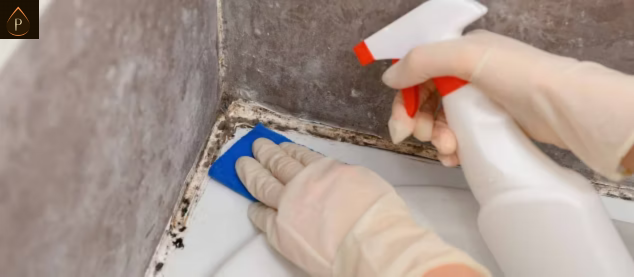
Black mould is a dark, stubborn fungus that thrives in damp, warm spaces inside your home. It often appears on silicone sealant in bathrooms, especially around showers, baths, and windows where moisture lingers. Over time, these areas stay wet, so mould spores settle and spread across the silicone sealant.
This growth does not just spoil the look of your bathroom. It can also release spores that may trigger coughing, sneezing, and breathing discomfort in some people. In many homes across South Wales, black mould also causes a constant damp odour that makes even a freshly cleaned bathroom feel unpleasant. If you ignore it, the mould can stain the silicone and damage the overall appearance of your tiles and edges.
At PRBGE, we know homeowners want safe, practical solutions that really work. That is why this guide focuses on how to remove black mould from silicone sealant without relying only on harsh chemicals. You will learn how to remove black mould from silicone sealant naturally using simple methods that are effective and suitable for homes across South Wales. These approaches help you clean your bathroom, protect your health, and keep your silicone looking fresh for longer.
Why Does Black Mould Grow on Silicone Sealant?
Black mould loves damp, warm conditions where moisture lingers for long periods. Silicone sealant provides exactly this kind of environment, especially in areas like bathrooms, showers, and around windows. When water stays trapped on or behind the sealant, mould spores find a perfect home to settle and spread.
Several factors create ideal conditions for mould on silicone in shower areas and around baths. Understanding these causes helps you tackle the problem effectively.
Poor Ventilation Traps Moisture
Bathrooms become steamy after hot showers or baths. If there is no extractor fan or open window, the moisture cannot escape. Instead, it hangs in the air and eventually settles on surfaces, including silicone sealant. This constant dampness allows mould spores to take hold and multiply quickly.
Many homes across South Wales face ventilation challenges, particularly in older properties. Without proper airflow, mould around bath edges and shower corners becomes a recurring issue. At PRBGE, we recommend checking your ventilation system regularly to prevent moisture build-up.
Soap Scum and Organic Debris
Soap residue, shampoo, body oils, and other organic materials accumulate on silicone surfaces over time. Mould feeds on these substances, making them the perfect food source for growth. Even when surfaces look clean, invisible residue can remain trapped in the porous texture of silicone.
This issue becomes worse in high-use areas like family bathrooms. Regular cleaning removes visible dirt, but it may not eliminate all organic matter. Therefore, mould returns even after thorough scrubbing.
Leaking Joints and Damaged Sealant
Old or cracked silicone loses its waterproof qualities. Water then seeps behind the sealant, creating hidden pockets of moisture. These concealed damp areas are invisible but provide ideal breeding grounds for mould from silicone sealant to develop underneath.
Additionally, movement of fixtures like shower enclosures or bathtubs can damage the seal. When the sealant breaks or gaps appear, moisture gets trapped behind it. This hidden dampness allows mould to grow unnoticed until it becomes visible on the surface.
High Humidity Levels
Bathrooms naturally have higher humidity due to frequent water use. In regions with damp climates like South Wales, indoor humidity levels can stay elevated throughout the year. When combined with insufficient ventilation, this creates a constant environment where mould thrives.
Even mould-resistant silicone can struggle against persistent high humidity and poor air circulation. While these products offer better protection, they still require proper maintenance and ventilation to stay effective.
At PRBGE, we help South Wales homeowners address all these causes to ensure long-term mould prevention.
When You Can Clean the Mould
If the black mould sits only on the surface of the silicone, cleaning can restore its appearance. This happens when mould growth is recent and has not yet penetrated deeply into the material. In these cases, natural or chemical cleaners can effectively remove the discolouration and kill the spores.
Surface mould typically appears as dark spots or patches that have not spread extensively. When you notice these early signs, prompt cleaning prevents the mould from worsening. Simple household products like vinegar, baking soda, or specialized mould removers work well at this stage.
Therefore, can mould be removed from silicone depends on catching it early. Regular inspection and quick action give you the best results without needing replacement.
When You Must Replace the Sealant
Sometimes, cleaning alone cannot solve the problem. When mould has penetrated inside the silicone or spread underneath it, no amount of surface cleaning will eliminate it completely. The mould spores remain embedded deep within the porous structure, where cleaners cannot reach them.
Additionally, old or damaged silicone loses its waterproof properties over time. Cracks, gaps, or peeling sections allow water to seep behind the sealant, creating hidden moisture pockets. These damp areas encourage mould growth that remains invisible until it becomes severe.
If you notice any of the following signs, replacement becomes necessary:
- Mould stains that reappear shortly after cleaning
- Dark discolouration that will not lighten despite repeated treatments
- Visible cracks, gaps, or peeling in the silicone
- A soft or spongy texture when you press the sealant
- Water leaking from behind the silicone edges
In South Wales homes, older bathroom installations often show these signs. PRBGE helps homeowners determine whether you can remove black mould from silicone sealant or if professional replacement is the better option.
Making the Right Decision
Start by cleaning the affected area using safe, effective methods. If the mould disappears and does not return quickly, your sealant remains in good condition. However, if the discolouration persists or returns within days, the mould has likely penetrated too deeply.
Remember, can you remove mould from silicone sealant successfully depends on the extent of the damage. Early intervention through regular cleaning prevents the need for costly replacements later.
Best Natural Ways to Remove Black Mould from Silicone Sealant
Natural cleaning methods provide safe, effective solutions for removing black mould from silicone sealant. These approaches avoid harsh chemicals while delivering impressive results. At PRBGE, we recommend starting with these gentle methods before considering stronger alternatives.
Below are three proven techniques that help you understand how to remove black mould from silicone sealant naturally using simple household ingredients.
White Vinegar & Baking Soda Method
This popular combination tackles surface mould effectively and safely. White vinegar contains natural acidity that kills mould spores, while baking soda adds gentle scrubbing power.
What You Need
Gather these simple supplies before starting:
- One cup of white vinegar
- Two to three teaspoons of baking soda
- A small bowl for mixing
- An old toothbrush or stiff-bristled brush
- Protective gloves
- A clean cloth or sponge
Step-by-Step Instructions
Follow these clear steps to remove mould safely:
First, mix the vinegar and baking soda in your bowl to create a thick paste. The mixture will fizz slightly, which is normal. Next, wear your gloves to protect your hands during cleaning.
Apply a generous layer of paste directly onto the mouldy silicone using a cloth. Make sure you cover all affected areas completely. Then, leave the paste to sit for five to ten minutes. For stubborn stains, extend this to fifteen minutes or even overnight.
After waiting, scrub the area in circular motions using your toothbrush. Be gentle but thorough, especially in corners and edges where mould hides. Finally, rinse everything with clean water using a damp sponge. Dry the silicone completely with a clean cloth to prevent moisture from returning.
Aftercare Tips
Keep the area dry after cleaning to stop mould from coming back. Wipe down shower silicone after each use if possible. This simple habit prevents moisture build-up significantly.
This method works best on how to remove mould from shower silicone when caught early. Many South Wales homeowners trust this approach because it uses safe, affordable ingredients that already exist in most kitchens.
Lemon Juice & Salt Paste
Lemon juice offers natural acidity similar to vinegar but with a fresh, pleasant scent. Combined with salt, it creates an effective paste for lighter mould stains. This method particularly suits white silicone where you want to restore brightness.
What You Need
Collect these natural ingredients:
- Fresh lemon juice or bottled concentrate
- Two tablespoons of salt
- A small mixing bowl
- An old toothbrush
- A spray bottle (optional)
- Protective gloves
How to Apply
Start by mixing lemon juice and salt together until you form a grainy paste. The salt acts as a gentle abrasive. Put on your gloves before handling the mixture.
Spread the paste directly onto the mould stains using your fingers or a cloth. Press it firmly into the silicone surface. Leave the paste in place for thirty minutes to one hour. The acid in lemon juice breaks down mould while salt lifts the stain.
Scrub the area thoroughly with your toothbrush after waiting. Use firm, circular motions to work the paste into discoloured sections. Rinse with warm water and wipe clean. Finally, dry the silicone completely with a fresh towel.
Best Uses
This approach excels at how to remove mould stains from silicone on white or light-colored sealant. Lemon juice also leaves a clean, fresh aroma throughout your bathroom. However, avoid using it on coloured silicone as the acid might cause slight fading over time.
At PRBGE, we suggest this method for maintenance cleaning between deeper treatments. It keeps your silicone looking bright and fresh with minimal effort.
Tea Tree Oil Spray
Tea tree oil stands out as a powerful natural antifungal solution. Unlike surface cleaners, it penetrates deep into porous silicone and grout. This method targets mould at its roots rather than just removing visible stains.
What You Need
Prepare these simple supplies:
- Two teaspoons of tea tree oil
- Two cups of water
- A dark spray bottle (light degrades the oil)
- One drop of washing-up liquid (helps dispersion)
- Protective gloves
- A microfibre cloth
Application Process
Mix the tea tree oil and water in your spray bottle. Add one drop of washing-up liquid to help the oil blend with water. Shake the bottle well before each use because natural separation occurs.
Spray the solution generously onto mouldy silicone. Make sure all affected areas are thoroughly wet. Leave the spray to work for at least one hour without wiping. For severe mould, extend contact time to several hours or overnight.
After waiting, scrub the area gently with a brush to remove loosened debris. Wipe down with a damp cloth, then allow the surface to air-dry. A thin residue of tea tree oil will remain, continuing to fight mould as it dries.
Why It Works
Tea tree oil contains natural compounds called terpinen-4-ol that destroy fungal cell walls. This allows it to kill mould spores effectively without harsh chemicals. Unlike bleach, which only whitens surface stains, tea tree oil actually penetrates and eliminates hidden spores.
This method perfectly answers how to remove mould from silicone naturally for homeowners seeking long-lasting protection. It also works exceptionally well on how to remove mould from shower areas where constant moisture creates ongoing problems.
Safety Notes
Always ensure good ventilation when using tea tree oil. Open windows and run exhaust fans during application. Store your spray mixture for up to two weeks maximum. Never mix tea tree oil with bleach or ammonia, as this creates dangerous fumes.
At PRBGE, we recommend tea tree oil for South Wales homeowners who want effective mould control without relying on harsh chemical treatments. This natural solution provides excellent results while keeping your family safe.
Alternative Cleaning Methods (If Natural Ones Don’t Work)
Sometimes natural solutions need extra support when dealing with stubborn mould. While we recommend starting with gentle approaches, certain situations require stronger alternatives. At PRBGE, we help South Wales homeowners understand both the benefits and risks of these methods.
Does WD-40 Remove Mould from Silicone?
Many people wonder does WD-40 remove mould from silicone because it appears in various online cleaning tips. The answer is complicated and requires careful consideration.
How WD-40 Works
WD-40 contains mineral spirits and petroleum-based solvents that can break down some substances. These ingredients help it penetrate surfaces and loosen certain types of residue. However, its primary purpose focuses on lubrication and rust prevention, not mould removal.
When applied to silicone, WD-40 may soften old sealant or help remove it entirely. Some people report success using it to strip away damaged silicone before replacing it. Yet this differs significantly from actually killing mould spores or removing stains.
Limited Effectiveness on Mould
Does WD-40 remove mould from silicone shower areas effectively? Not really. While it might temporarily mask the problem, WD-40 does not kill mould spores like dedicated cleaners do. Instead, it primarily works as a solvent that breaks down silicone material itself.
Additionally, WD-40 leaves behind an oily residue that attracts dirt and moisture. This residue can actually encourage more mould growth over time rather than preventing it. One major concern involves resealing after using WD-40 for removal.
Potential Risks
Using WD-40 on bathroom silicone carries several risks you should know about. The product can damage or degrade silicone sealant permanently, especially with repeated applications. If you plan to apply new sealant afterward, any remaining WD-40 residue prevents proper adhesion.
This contamination problem can cause new silicone to fail within weeks. The fresh sealant may peel, lift, or develop gaps that allow water penetration. Therefore, if you remove silicone using WD-40, you must clean all surfaces thoroughly with isopropyl alcohol before resealing.
At PRBGE, we advise South Wales homeowners to avoid WD-40 for mould cleaning purposes. Save it for its intended uses like loosening rusted bolts or lubricating hinges. For mould removal, choose products specifically designed for that purpose.
Will Bleach Remove Mould from Silicone?
Bleach remains one of the most commonly used products for tackling bathroom mould. Understanding both its strengths and limitations helps you decide if bleach will remove mould from silicone effectively in your situation.
How Bleach Works on Mould
Bleach contains sodium hypochlorite, a powerful disinfectant that whitens surfaces rapidly. When applied to mouldy silicone, it lightens dark stains and kills surface mould spores quickly. This makes bathrooms look cleaner almost immediately after treatment.
For how to remove black mould from silicone sealant with bleach, the standard method involves mixing one part bleach with four parts water. Spray this solution onto affected areas and leave it to evaporate naturally. Many people also use the “toilet paper wrap” technique where they soak tissue in bleach and press it against the silicone for several hours.
Important Limitations
However, bleach has significant drawbacks that limit its overall effectiveness. While it removes visible discolouration, bleach does not always kill mould roots embedded deep in porous materials. The mould may return quickly because the underlying spores survive beneath the whitened surface.
Hydrogen peroxide or oxygen bleach actually kills mould spores more thoroughly than chlorine bleach. These alternatives penetrate deeper and eliminate the problem at its source rather than just masking it. Therefore, if you want long-lasting results, consider oxygen-based cleaners alongside or instead of regular bleach.
Potential Damage Risks
Bleach can also damage certain materials over time, especially with repeated use. Coloured silicone may fade or lose its original shade after bleach treatment. Some shower trays, bathtubs, and fixtures react negatively to chlorine bleach, causing permanent discolouration or surface damage.
Always test bleach on a small, hidden area first before applying it broadly. Check your manufacturer’s recommendations for your specific bathroom materials. Natural stone surfaces like marble or limestone should never contact bleach as it causes irreversible etching.
Safety represents another crucial concern when using bleach. Always ensure excellent ventilation by opening windows and running exhaust fans. Wear protective gloves and avoid mixing bleach with other cleaners, especially vinegar, as this creates dangerous chlorine gas.
At PRBGE, we recommend bleach as a last resort for surface mould only. For persistent problems or deep-rooted growth, professional assessment often saves time and prevents damage.
How to Remove Mould from Grout and Silicone Together
Bathroom showers and baths often feature both grout lines and silicone sealant in close proximity. Mould loves these areas because water collects where tiles meet sealant edges. Learning how to remove mould from grout and silicone together streamlines your cleaning routine significantly.
At PRBGE, we help South Wales homeowners tackle these combined problem areas using safe, systematic approaches.
Why These Areas Develop Mould Together
Grout and silicone share similar moisture exposure but have different textures. Grout features a porous surface that traps water and soap residue deep inside its structure. Silicone remains non-porous but collects grime on its surface and sometimes underneath when old or damaged.
Both materials also provide the organic food sources mould needs to thrive. Soap scum, shampoo residue, body oils, and limescale accumulate in corners where tiles, grout, and silicone meet. Therefore, treating both materials simultaneously makes practical sense.
Step-by-Step Combined Cleaning Method
This method works excellently for how to remove mould from grout and silicone shower areas using accessible products.
What You Need
Gather these supplies before starting:
- White vinegar or hydrogen peroxide
- Baking soda
- A spray bottle
- An old toothbrush or stiff grout brush
- Kitchen roll or toilet paper
- Protective gloves
- A clean cloth
Preparation Stage
Start by removing soap scum before treating the mould itself. Spray the entire area with bathroom cleaner or warm soapy water. Scrub gently with your brush, paying special attention to corners and edges. Rinse thoroughly and wipe dry.
This crucial step removes the invisible film that prevents cleaners from reaching mould properly. Many people skip this preparation, which explains why their mould returns so quickly afterward.
Treating Grout Lines
Mix baking soda with enough water to create a thick, spreadable paste. Apply this paste generously along all grout lines using your fingers or a cloth. Make sure the paste sits on top rather than running off.
Spray white vinegar over the baking soda paste. It will fizz as the two ingredients react, which helps lift embedded dirt and mould. Leave this mixture in place for fifteen to twenty minutes.
After waiting, scrub the grout lines thoroughly using circular motions with your brush. Work systematically across all affected areas. Rinse with clean water and wipe dry immediately.
Treating Silicone Sealant
While the grout treatment sits, prepare your silicone cleaner. Soak strips of kitchen roll or toilet paper in white vinegar or hydrogen peroxide. Press these soaked strips firmly onto the silicone beads so they stay in place.
Leave the paper in position for thirty minutes to ninety minutes. Hydrogen peroxide typically needs longer contact time than vinegar for best results. The liquid penetrates the silicone surface and breaks down mould stains gradually.
Remove the paper strips after waiting, then scrub the silicone gently with your toothbrush. Rinse everything with clean water and dry completely with a fresh cloth.
Combined Results
This systematic approach tackles how to remove mould from grout and silicone shower areas efficiently in one session. By addressing both materials together, you save time while ensuring thorough coverage.
If surface mould improves dramatically, your cleaning succeeded. However, if dark shadows remain inside the silicone or grout stays discoloured, deeper problems exist. In such cases, regrouting tiles or replacing silicone sealant becomes necessary.
At PRBGE, we recommend this combined method for regular maintenance cleaning throughout South Wales homes. Consistent care prevents severe mould build-up that requires professional intervention.
How to Remove Mould from Silicone Around Different Areas
Black mould affects different areas of your home in unique ways. Each location requires slightly adapted cleaning techniques to address specific challenges. At PRBGE, we help South Wales homeowners tackle mould wherever it appears by understanding these area-specific needs.
Below are targeted solutions for the most common problem zones in your home.
Around the Shower and Bath
Showers and baths experience constant moisture exposure, making them prime locations for mould growth. Understanding how to remove mould from silicone in shower areas helps you maintain a clean, healthy bathroom environment.
Why Showers Develop More Mould
Hot showers create steam that settles on cool silicone surfaces. Soap residue, body oils, and shampoo provide food sources for mould spores. Poor ventilation traps this moisture for hours after bathing.
Additionally, shower enclosures often have multiple silicone joints where walls meet trays or where glass panels seal. These corners trap water droplets that never fully dry between uses.
Effective Shower Cleaning Method
For how to remove black mould in shower silicone, follow this proven approach:
Start by spraying the affected silicone with undiluted white vinegar or hydrogen peroxide. Leave it to sit for one hour minimum. Meanwhile, mix baking soda with a small amount of bleach to create a thick paste.
Apply this paste generously over the mouldy areas after the vinegar treatment. Cover the paste with cling film or glad wrap to keep it moist and active. Leave this overnight for best results, which allows deep penetration.
The next morning, remove the cling film and scrub gently with an old toothbrush. Rinse thoroughly with warm water and dry completely. This combination tackles both surface stains and embedded spores effectively.
Prevention After Cleaning
Always squeegee shower walls and silicone after each use. This simple habit removes standing water before mould can establish itself. Run your exhaust fan for at least twenty minutes after showering.
At PRBGE, we recommend monthly maintenance cleaning using vinegar spray to prevent serious build-up in South Wales shower areas.
Around Windows
Window frames collect condensation, especially during colder months when indoor heating meets cold glass. This creates perfect conditions for how to remove black mould from silicone sealant around windows to become necessary.
Why Window Silicone Gets Mouldy
Cold weather causes warm indoor air to condense on window surfaces. Water droplets run down the glass and pool along the bottom edge where silicone meets the frame. Without regular wiping, this constant moisture feeds mould growth.
Poor window seals also allow rainwater to penetrate behind the silicone. This hidden dampness creates mould underneath the sealant that remains invisible until it spreads.
Window Silicone Cleaning Steps
Begin by mixing equal parts white vinegar and water in a spray bottle. Spray this solution generously onto the mouldy window silicone. Let it sit for thirty minutes to break down the mould.
Use an old toothbrush to scrub the area in circular motions. For stubborn stains, apply a paste of baking soda and water directly to the silicone. Leave this paste for fifteen minutes before scrubbing again.
Rinse with clean water using a damp cloth, then dry thoroughly with a microfiber towel. Complete drying prevents immediate moisture return.
Ongoing Window Maintenance
Wipe window condensation daily during winter months. This prevents water from pooling on silicone edges. Open windows briefly each day when weather permits to allow air circulation.
Consider using a dehumidifier in rooms with persistent condensation problems. At PRBGE, we help South Wales homeowners identify ventilation improvements that reduce window mould significantly.
Bathroom Silicone in General
Beyond showers and baths, bathrooms contain silicone around sinks, countertops, and toilet bases. Understanding how to remove mould from bathroom silicone across all these areas maintains overall hygiene.
Common Bathroom Problem Zones
Sink edges collect toothpaste residue and soap splashes that feed mould. Toilet base silicone sits close to the floor where cleaning water pools. Countertop joins trap moisture from wet hands and spills.
Each area requires regular attention because daily bathroom use creates constant moisture exposure.
Universal Bathroom Cleaning Approach
For general how to remove mould from silicone in bathroom areas, use this straightforward method:
Mix one cup white vinegar with two teaspoons baking soda to form a paste. Apply this paste thickly to all mouldy silicone joints. Leave it for five to ten minutes initially.
Scrub gently with a stiff-bristled brush, working in small circular motions. Rinse clean with a damp sponge and dry thoroughly with a towel.
If stains persist, try the bleach method by mixing one part bleach with four parts water. Spray this solution onto affected areas and leave it to evaporate naturally. Wipe clean afterward and dry completely.
Bathroom-Wide Prevention
Wipe all silicone edges after daily use to prevent moisture accumulation. Run exhaust fans during and after bathroom activities. Clean regularly to remove soap and product residue before mould establishes.
At PRBGE, we emphasize that consistent maintenance prevents major mould problems in South Wales bathrooms.
Kitchen and Bottle Tips
While less common, mould also affects silicone in kitchens and personal items like water bottles. Knowing how to remove mould from silicone drink bottle seals keeps your family safe.
Why Silicone Bottles Get Mouldy
Water bottle seals trap moisture in hard-to-reach crevices. Drink residues like juice, smoothies, or coffee provide food sources for mould. Storing bottles while still damp creates ideal growth conditions.
Additionally, many people forget to disassemble bottles completely during cleaning. Hidden mould grows on seals, straws, and lid threads that stay wet.
Cleaning Silicone Water Bottles
Mix equal parts white vinegar and water, then fill your bottle with this solution. Let it soak for several hours or overnight. After soaking, scrub the interior thoroughly with a bottle brush, focusing on seal areas.
For tougher mould, create a baking soda paste with a little water. Apply this paste to affected silicone seals and rubber components. Leave for fifteen minutes, then scrub with a soft brush. Rinse thoroughly with warm water.
Hydrogen peroxide offers another effective option. Mix one part 3% hydrogen peroxide with three parts water. Pour this into the bottle and shake well to cover all surfaces. Leave for ten minutes, then scrub and rinse.
For severe cases only, use diluted bleach with one tablespoon per gallon of water. Soak for five to ten minutes maximum, then rinse multiple times to remove all chemical residue.
Safe Bottle Maintenance
Always disassemble bottles completely before cleaning. Wash all components after every use with hot soapy water. Dry bottles and their parts thoroughly before reassembling or storing.
Store bottles in well-ventilated areas rather than sealed cupboards. Never put the lid on while any moisture remains inside.
At PRBGE, we recommend inspecting water bottle seals weekly for early mould signs. Quick action prevents health risks and extends bottle lifespan.
When to Remove and Replace Silicone Sealant
Sometimes cleaning simply cannot fix damaged or deeply mouldy silicone. Understanding how to remove mould silicone sealant completely and reseal properly prevents ongoing problems. At PRBGE, we help South Wales homeowners recognize when replacement becomes necessary.
Signs the Sealant Is Beyond Cleaning
Several clear indicators tell you that cleaning will not solve your mould problem.
Persistent Stains That Return Quickly
If black stains reappear within days after thorough cleaning, the mould has penetrated deep inside the silicone. Surface treatments cannot reach these embedded spores. This persistent growth signals the sealant has become porous and can no longer resist moisture effectively.
Visible Cracks and Gaps
Silicone naturally loses flexibility as it ages. When you notice cracks, splits, or gaps forming, the material has become brittle. These openings allow water to seep behind the sealant, creating hidden moisture pockets. Mould then grows underneath where you cannot see or clean it.
Peeling or Lifting Edges
Sealant that pulls away from tiles, tubs, or shower trays no longer provides a watertight barrier. Temperature changes and constant moisture exposure weaken the bond over time. Once adhesion fails, water penetrates behind the silicone constantly.
Discolouration That Will Not Fade
Yellowing, browning, or permanent dark staining indicates chemical breakdown of the silicone material. This discolouration shows age and degradation that affects waterproofing ability. No amount of scrubbing will restore the original appearance.
Loss of Flexibility
Press your finger against the silicone sealant. If it feels hard, brittle, or does not give slightly, it has lost its essential flexibility. This hardening makes the material prone to cracking and prevents it from expanding and contracting with temperature changes.
Age of Sealant
Even without visible damage, silicone should be replaced every five to ten years. Exposure to water, cleaning products, and temperature fluctuations gradually breaks down its effectiveness. In wet areas like showers, consider replacement every three to four years for optimal protection.
Understanding how to remove mould from under silicone requires complete removal because surface cleaning cannot reach these hidden areas.
How to Safely Remove Old Silicone
Removing damaged sealant requires patience and the right approach. Follow these steps for clean, safe removal.
Gather Your Tools
Collect these essential supplies before starting:
- Silicone sealant remover gel
- Sharp utility knife or blade
- Plastic scraper or caulk removal tool
- White spirit or isopropyl alcohol
- Clean cloths
- Protective gloves
- Safety glasses
Step One: Apply Silicone Remover
Spread a generous layer of specialist silicone remover gel along all the old sealant. These products contain chemicals that soften and break down silicone structure effectively. Follow the manufacturer’s instructions for dwell time, typically thirty minutes to two hours.
Alternatively, soak cloths in white spirit and press them against the silicone for several hours. This softening step significantly reduces the effort needed during removal.
Step Two: Cut and Scrape Away Sealant
Once softened, use your utility knife to score along both edges of the silicone bead. Be extremely careful not to scratch tiles, glass, or other surfaces. Then gently lift and peel away the softened sealant.
Use your plastic scraper to remove stubborn sections without damaging surrounding materials. Work slowly and methodically rather than forcing anything. A heat gun or hairdryer can further soften particularly stubborn areas if needed.
Step Three: Clean All Residue
After removing the bulk of the sealant, residue and film will remain. Dampen a cloth with isopropyl alcohol or white spirit and thoroughly wipe all surfaces. This cleaning proves crucial because new sealant will not bond properly to any remaining residue.
If the old silicone had mould, clean the area with a dedicated mould cleaning solution before the alcohol wipe. This kills any remaining spores that might contaminate new sealant.
Step Four: Allow Complete Drying
Leave all cleaned surfaces to dry completely before applying new sealant. This usually takes several hours depending on humidity levels. Moisture prevents proper adhesion and can trap dampness under fresh sealant.
Applying New Sealant
Choose a high-quality, mould-resistant bathroom silicone for best results. Apply it smoothly along the joint using a caulking gun, then smooth with a wet finger or profiling tool immediately. Allow full curing time as specified by the manufacturer before exposing it to water.
At PRBGE, we recommend professional resealing for how to remove mould from under silicone shower areas when extensive damage exists. Expert application ensures long-lasting protection for South Wales homes.
Preventing Black Mould in the Future
Prevention always proves easier and cheaper than repeatedly treating mould problems. Establishing simple routines keeps your silicone sealant clean and mould-free long-term. At PRBGE, we help South Wales homeowners develop effective maintenance habits.
Regular Cleaning Routine
Consistent cleaning prevents mould from establishing itself in the first place.
Weekly Maintenance
Spray bathroom silicone with white vinegar or tea tree oil solution weekly. Leave it for five minutes, then wipe clean with a cloth. This simple habit kills any early mould spores before they become visible.
Wipe down all silicone edges after cleaning the bathroom generally. Remove soap scum and product residue that feed mould growth. Pay special attention to corners and joints where water collects.
Monthly Deep Clean
Once monthly, apply a baking soda and vinegar paste to all silicone surfaces. Leave it for fifteen minutes before scrubbing gently. This deeper treatment removes any build-up that weekly cleaning misses.
Inspect all silicone carefully during monthly cleaning. Look for early warning signs like slight discolouration, small cracks, or minor peeling. Addressing these issues immediately prevents major problems later.
Improve Ventilation
Proper airflow dramatically reduces moisture that causes mould growth. South Wales homes particularly benefit from enhanced ventilation due to the region’s naturally humid climate.
Bathroom Ventilation Strategies
Run your extractor fan during every shower or bath, then continue running it for at least twenty to thirty minutes afterward. This removes steam before it can settle on surfaces. Many modern fans include timers that automate this process.
If your bathroom lacks an extractor fan, open windows wide for at least five to ten minutes after water use. Quick ventilation exchanges humid air with fresh outdoor air effectively. During warmer months, keep windows slightly open throughout the day when possible.
Never block air vents or chimney openings. These passive ventilation points help air circulate naturally even when windows stay closed. Consider installing a passive ventilation unit if your bathroom struggles with persistent dampness.
Whole-Home Air Circulation
Keep bathroom doors closed during showers and baths to contain moisture in one room. This concentrates humid air where you can ventilate it directly outside. Opening the door spreads moisture throughout your home, causing condensation problems elsewhere.
However, during non-use times, allow air to flow freely between rooms by leaving doors open. This cross-ventilation helps balance humidity levels naturally. Open windows at opposite ends of your home occasionally to create airflow through the entire property.
Wipe Surfaces Dry
Active drying prevents moisture from lingering on silicone surfaces.
After Every Shower
Use a squeegee on shower walls, glass doors, and silicone edges immediately after bathing. This removes most water droplets before they evaporate into the air or settle into sealant. Squeegee use takes less than one minute but dramatically reduces mould risk.
Wipe silicone beads with a dry towel after squeegeeing. Focus on corners, edges, and joints where water pools. These few extra seconds ensure silicone stays completely dry between uses.
Morning Window Routine
Condensation forms overnight on cold windows, especially during winter months. Every morning, wipe condensation from windowsills and frames with a dry cloth. Wring the water out into your sink rather than letting it evaporate back into the room.
This daily habit prevents water from pooling on window silicone and causing mould growth there. It also helps reduce overall home humidity levels.
Temperature Control
Maintaining consistent, moderate temperatures helps prevent condensation that feeds mould.
Steady Heating
Use lower heating settings for longer periods rather than high temperatures for short bursts. This approach creates less dramatic temperature changes that cause condensation. Aim for steady warmth rather than hot-cold cycles.
Radiator thermostats and heating timers help maintain consistent temperatures cost-effectively. In bathrooms, keep minimum heat even when not in use to prevent cold surfaces where steam condenses.
Insulation Improvements
Poorly insulated walls and windows cause indoor moisture to condense faster. Consider double glazing, draught excluders, and wall insulation where possible. These improvements regulate temperature and humidity throughout your home.
Open curtains during daylight to allow even weak winter sun to warm rooms naturally. Close them at night to retain heat and provide additional insulation.
Proper Resealing
When you do replace silicone, choose quality products designed for wet areas. Always select mould-resistant or anti-fungal formulations for bathrooms and kitchens. These contain additives that actively prevent mould establishment.
Apply new sealant correctly with even beads and proper smoothing. Poor application creates gaps and uneven surfaces where water collects and mould develops. Follow manufacturer curing times before exposing fresh sealant to moisture.
Regular Inspections
Check all bathroom and kitchen silicone every few months. Look for early signs of wear like slight discolouration, minor flexibility loss, or small surface cracks. Early replacement prevents water damage and mould problems from developing.
At PRBGE, we provide South Wales homeowners with comprehensive prevention strategies tailored to local climate conditions. Regular maintenance protects your home while avoiding expensive repairs.
Final Thoughts
Black mould on silicone sealant affects many homes across South Wales, but you can tackle it effectively using the right approach. Throughout this guide, we have explored natural cleaning methods that work safely without harsh chemicals. White vinegar, baking soda, lemon juice, and tea tree oil all provide powerful mould-fighting properties while protecting your health.
Remember that prevention always proves more effective than repeated treatment. Simple daily habits like wiping surfaces dry, running extractor fans, and maintaining good ventilation stop mould from establishing itself. Regular weekly cleaning with natural products keeps silicone fresh and prevents serious build-up.
However, understand when cleaning alone cannot solve the problem. Persistent stains, deep cracks, peeling edges, or mould that returns quickly signal the need for complete sealant replacement. Removing damaged silicone and resealing properly protects your bathroom from water damage and ensures long-term mould prevention.
At PRBGE, we specialize in helping South Wales homeowners maintain healthy, mould-free bathrooms. If you are struggling with persistent black mould on your silicone sealant despite trying these methods, professional assessment can identify underlying issues like ventilation problems or water leaks.
Take Action Today
Start with the natural cleaning methods we have outlined. Most surface mould responds well to vinegar, baking soda, or tea tree oil treatments when applied correctly. Establish a regular maintenance routine to prevent mould from returning.
For stubborn cases or extensive damage, do not hesitate to seek professional help. Early intervention prevents minor issues from becoming expensive repairs. Your family’s health and your home’s integrity deserve proper care.
If you are in South Wales and struggling with bathroom mould, these safe, natural cleaning methods can restore your silicone sealant without harsh chemicals. PRBGE remains committed to supporting local homeowners with expert advice and professional mould removal services throughout the region. Contact us today to learn how we can help protect your home from black mould effectively and affordably.
