
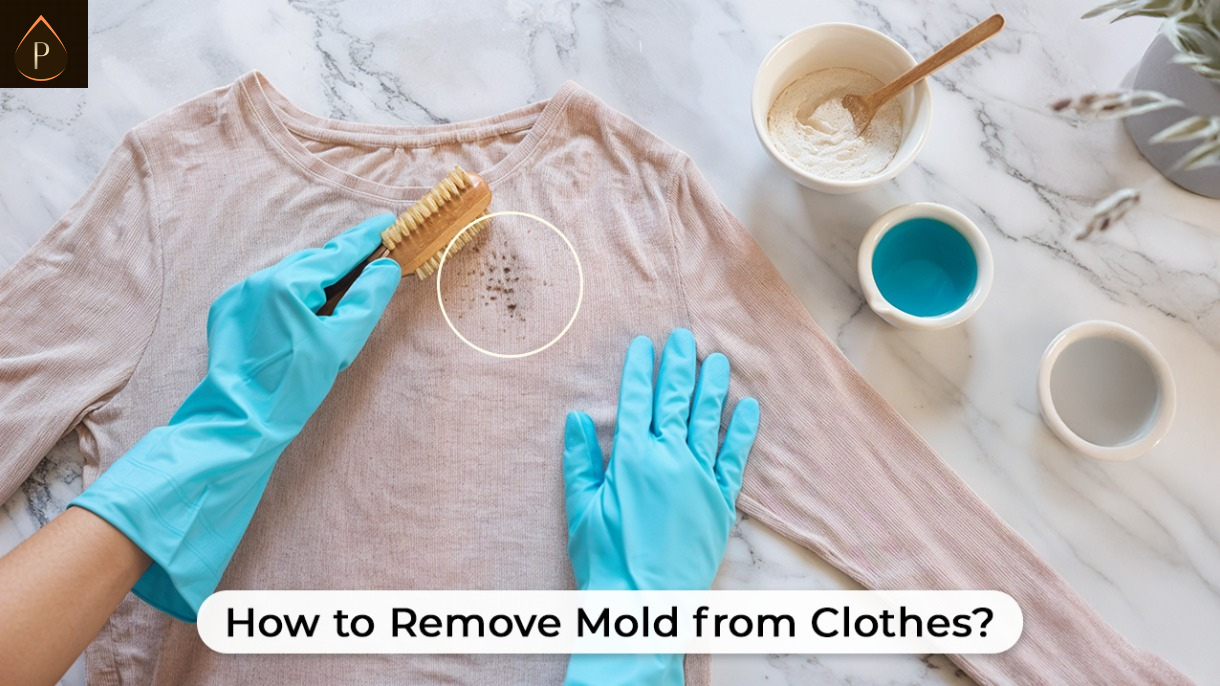
Mould grows on fabrics when they stay damp for too long, which is common in South Wales homes. Moist air from everyday life condenses on cold walls, windows, and around wardrobes, so nearby clothes, curtains, and sofas absorb this moisture. Leaks from roofs, gutters, or plumbing can also wet fabrics, while poor ventilation stops them drying out properly, so mould spores settle and spread.
This growth is not just ugly; it can affect your health. Mould can trigger coughing, wheezing, and skin or eye irritation, especially if you have asthma or allergies. It often leaves permanent stains, musty odours, and weakens fibres, so favourite clothes, curtains, and upholstery can become unusable over time.
PRBGE specialises in dealing with the cause of this problem, not just the surface marks. The team provides expert mould remediation, damp proofing, and condensation control across Cardiff, Newport, and Swansea, so fabrics stop getting repeatedly affected. They assess where moisture is coming from, recommend long‑term solutions, and help protect both your home and soft furnishings. If mould keeps coming back, book a professional damp survey with PRBGE on 0333 335 6086.
Is It Safe to Remove Mould from Fabric Yourself?
It can be safe to remove mould from fabric yourself, as long as you protect your health and know when to call an expert. You should always put safety first before you start cleaning.
Safety first: protect yourself and your home
Wear basic PPE so spores do not irritate your skin, eyes, or lungs. Put on rubber gloves, a snug‑fitting mask, and eye protection before you handle mouldy fabrics, because spores can become airborne while you brush or move them. Work outside or in a well‑ventilated space, and keep children and pets away from the area. If a fabric item is heavily covered in mould, or it has great sentimental or financial value, take it to a professional cleaner instead of treating it at home. This is even more important if you have asthma, allergies, or a weakened immune system, because mould exposure can quickly make symptoms worse.
When DIY fabric mould removal is fine – and when to call a professional
DIY fabric mould removal is usually fine for light, recent spots on washable materials. Small patches on cotton T‑shirts, bedding, towels, or some washable curtains can often be treated with home methods and a normal wash cycle. However, deep, widespread mould often points to an ongoing damp or condensation problem in the property, so cleaning the fabric alone will not solve it.
If you see mould on walls and ceilings near the fabrics, notice strong musty smells, or find condensation on windows in several rooms, it is time to get professional help. PRBGE offers expert damp and mould inspections across South Wales and can identify the source of excess moisture before it causes serious damage. Based in Cardiff, Newport or Swansea? PRBGE can survey your property and tackle the source of moisture on 0333 335 6086.
How Do You Remove Mould from Fabric?
If you are wondering how to remove mould from fabric, you have a few safe options that work well on clothes, bedding, curtains, and soft furnishings. These methods also answer common questions like “how do you remove mould stains from fabric”, “can you remove mould from fabric”, and “what is the best way to remove mould from fabric”.
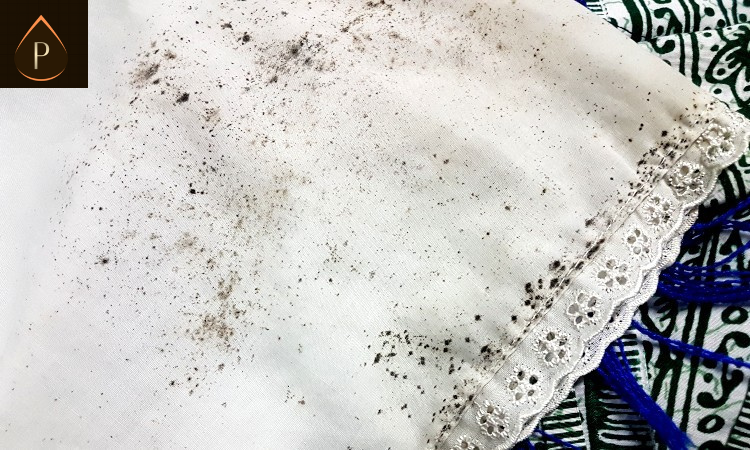
First, many people start with white vinegar and bicarbonate of soda for light mould. You can brush the fabric outside, apply a vinegar and water solution, then use a baking soda paste on stubborn marks before washing. This natural approach helps lift light staining and musty smells without harsh bleach, so it is ideal for everyday items.
For washable whites and many colour‑safe items, oxygen bleach and mould‑killing laundry boosters are another strong option. You usually soak the fabric in an oxygen bleach solution, then wash at the hottest temperature the care label allows, which helps kill spores and fade stains. Because oxygen bleach is non‑chlorine and often colour‑safe, it is a good choice when you want a deeper clean without the risk of classic bleach marks.
If stains remain, specialist fabric mould removers and stain removers, including UK‑available sprays, can help. These products are designed for textiles, so they target mould spores and odour while protecting fibres, although you should always patch test first. Many sprays work on clothes, upholstery, car fabrics, and outdoor textiles, which makes them useful when simple home remedies have not been enough.
Sometimes, the best way to remove mould from fabric is actually to hand it over to a professional. Dry cleaning is often safer for delicate items, lined curtains, or pieces with heavy mould growth that you do not want to risk at home. If fabric smells strongly of mould, looks badly damaged, or the problem keeps coming back, a cleaner or mould specialist can advise whether it is worth saving.
7. Removing Mould from Clothes and Washable Fabrics
Step 1 – Check the care label and test first
Before you decide how to remove mould from fabric, always read the care label. It tells you the maximum wash temperature and whether bleach is safe for that item. You should avoid any cleaner that the label warns against, because the wrong product can fade colours or weaken fibres.
Next, do a small patch test before you treat the whole garment. Choose a hidden area, apply your chosen solution, then wait for it to dry so you can check for colour change or damage. This is vital on delicate items and bright colours, especially when you plan to use vinegar, hydrogen peroxide, or any mould stain remover for fabric.
Step 2 – Take mouldy fabric outside and brush off spores
Whenever possible, move mouldy clothes and textiles outside before you start cleaning. Brushing and shaking fabrics indoors can spread spores around your home, so fresh air is safer for you and your rooms.
Use a soft brush to gently remove loose mould from the surface. You can also vacuum the fabric with a cleaner that has a HEPA filter, which traps tiny spores instead of blowing them back into the air. This step reduces the mould load before you soak or wash, so later treatments work more effectively.
Step 3 – Bleach‑free options for colours and delicate fabrics
If you want a bleach free mould remover for fabric, start with a simple white vinegar soak. Add one cup of white vinegar to a tub of water, submerge the fabric, and soak it for about an hour before washing. This works well when you need to know how to remove mould from cotton fabric or other everyday materials without harsh chemicals.
For stubborn spots, make a bicarbonate of soda paste. Mix baking soda with a little water, spread it over the mark, leave it for a short time, then gently scrub and rinse before laundering. This helps when you search for how to remove mould stains from coloured fabric or how to remove mould from coloured fabric in a gentle way.
Hydrogen peroxide at 3% strength is another option for light‑coloured fabrics. Spray or dab it onto the stain, let it sit briefly, then rinse and wash, but always test first because it can lighten colours. Used carefully, it gives extra power on pale items when natural methods are not enough.
Step 4 – Using oxygen bleach and mould‑killing laundry boosters
For whites and many colour‑fast clothes, oxygen bleach can be an effective mould stain remover for fabric. It uses oxygen, not chlorine, to lift marks, so it is usually a safer fabric safe mould remover when you follow the label.
Dissolve the recommended amount of oxygen bleach in warm water, soak the fabric for the suggested time, then wash it. Always use the hottest temperature the care label allows, because heat helps kill spores and improves cleaning results. Many people see this as the best fabric mould remover approach for heavy staining on washable items.
Step 5 – Wash and fully dry to prevent mould returning
After you pre‑treat stains, wash the clothes or linens as normal. Choose the hottest wash temperature that the care label permits, add a quality detergent, and consider an anti‑mould additive or extra vinegar if odour is strong.
Once the cycle is finished, dry everything completely. Sunlight is ideal because fresh air and UV help kill remaining spores, but a well‑ventilated, low‑humidity indoor space also works. Never put damp items back in wardrobes or drawers, because moisture will invite mould to grow again.
Step 6 – What if stains remain?
Sometimes, even after careful cleaning, stains do not disappear fully. In that case, you can repeat the same method or try a different targeted mould stain remover for fabric, following the directions closely.
Old, deep marks are often harder to shift, so anyone searching how to remove old mould stains from fabric or can you remove mould stains from fabric should know that some discolouration may be permanent. If the fabric is valuable or the mould smell remains strong, it is wise to ask a professional cleaner or mould specialist for advice on the next steps.
How to Remove Black Mould Stains from Fabric (Clothes, Sofas, Curtains)
Is black mould on fabric more dangerous?
Black mould on fabric often means the material has stayed damp for a long time, not just a day or two. It usually signals a deeper moisture problem, such as chronic condensation or leaks, and it may be linked to wider contamination in the property.
Because of this, black mould can pose higher health risks, especially if spores spread into the air and settle on walls, ceilings, and other surfaces. If you notice black mould on several fabrics plus nearby walls or ceilings, you should not treat it as a small cosmetic issue. In that situation, a professional damp and mould survey is the safest next step, as experts can check for hidden moisture and long‑term damage.
Removing black mould from washable clothes and bedding
When you look up how to remove black mould from fabric or removing black mould from fabric, the process for clothes and bedding follows the same steps as lighter mould, but you must be more thorough. First, take items outside, brush off loose spores, and check the care labels. Then pre‑treat stains with an oxygen bleach solution or a specialist mould remover that is safe for textiles.
Soak the clothes or bedding for longer than you would for light marks, often several hours, following the product instructions. After soaking, wash at the hottest temperature the care label allows, and be ready to repeat the cycle if stains or odours remain, because deep black mould can be stubborn. These steps give you the best chance to remove black mould stains from fabric while protecting fibres.Removing black mould from fabric sofas, chairs and soft furnishings.
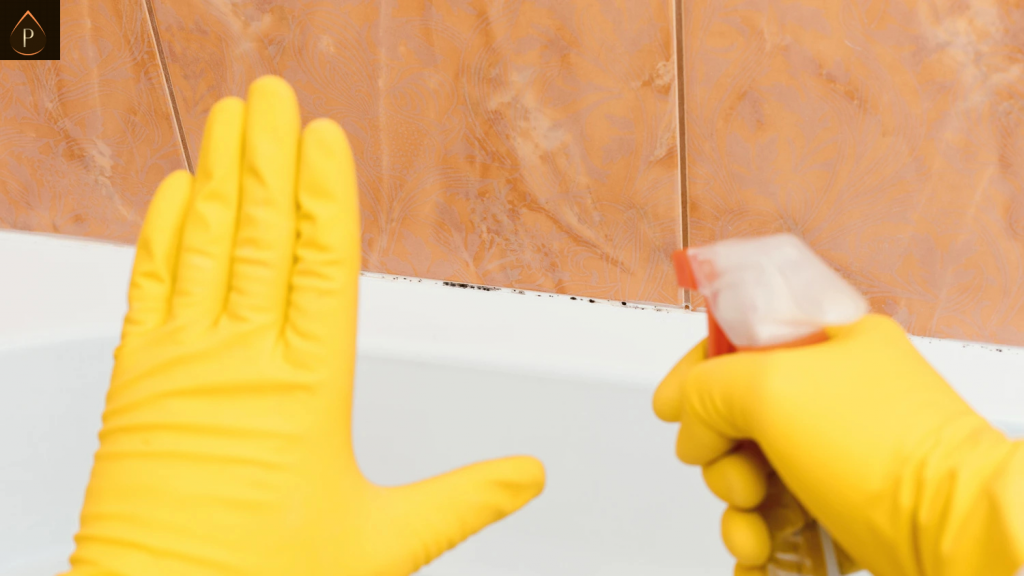
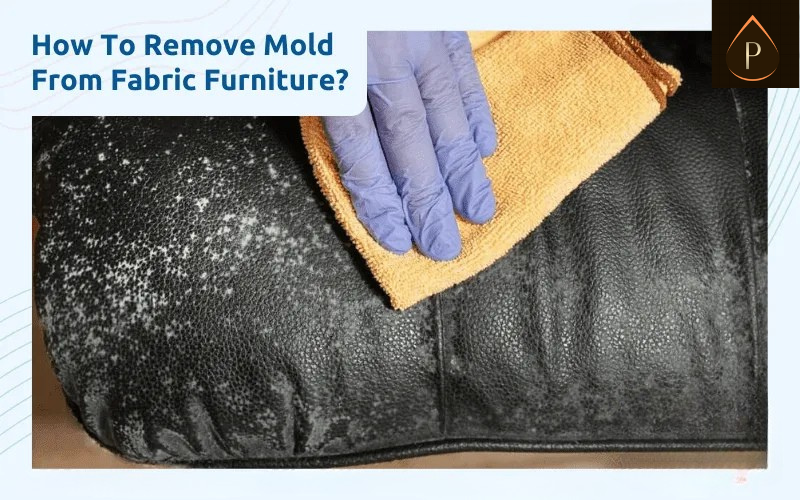
Black mould on fabric sofas, chairs, and cushions is harder to deal with, because growth can reach deep into foam or padding. DIY methods can help when mould is only on the surface, but they cannot fully fix items where moisture and spores sit inside the filling. In those cases, cleaning only the top layer may leave contamination behind, so smells and stains return.
For light surface marks, you can try a fabric‑safe mould remover spray or gentle cleaner that is clearly labelled for upholstery. Always patch test in a hidden spot first, then treat a small area at a time and dry thoroughly. These products work as a mould remover fabric option or mould fabric remover for sofas, chairs, and even car seats, and some people use a car fabric mould remover for vehicle interiors.
However, if mould covers a large area, smells are strong, or cushions feel damp inside, home methods are no longer enough. At that point, you should contact a professional cleaner or a mould remediation specialist, who can advise whether deep cleaning, new fillings, or full replacement is safest. This is especially important in damp South Wales homes, where underlying moisture issues can keep feeding the problem if only the surface is treated.
How to Remove Mould from Fabric Blinds, Curtains and Roller/Roman Blinds
Why blinds and curtains in South Wales attract mould
Blinds and curtains sit right next to cold window glass and frames, so they are the first fabrics to feel condensation in damp South Wales weather. Moist air hits the chilly surface, turns into water droplets, and soaks the edges of fabric, especially where folds touch the sill or wall. Because airflow behind curtains and fabric blinds is often poor, these damp spots stay wet, which gives mould spores an easy place to grow. Dust on the fabric adds extra food, so mould spreads faster than many people expect.
This pattern usually points to broader damp and condensation issues, not just “dirty” blinds. In Cardiff, Newport and Swansea homes, regular window condensation, cold external walls, and weak ventilation can all drive recurring mould on blinds and curtains. PRBGE can diagnose these root‑cause moisture problems with a professional damp and condensation survey, then recommend long‑term fixes so window fabrics stop going mouldy in the first place.
Step‑by‑step: removing mould from fabric blinds
If you want to know how to remove mould from fabric blinds, start by taking the blinds down if you can. Working outside or in a very well‑ventilated room reduces the chance that spores spread around your home.
Begin mould removal from fabric blinds by dry‑brushing or vacuuming the surface. Use a soft brush or the upholstery tool on your vacuum to lift loose mould and dust, ideally with a cleaner that has good filtration. This simple step helps every later product work better because you are not scrubbing through a thick layer of spores.
Next, apply a fabric‑safe cleaning solution. Many South Wales homeowners use equal parts white vinegar and water in a spray bottle, a specialist mould remover for fabric blinds, or a diluted hydrogen peroxide mix for light‑coloured materials. Lightly mist or sponge the mouldy areas rather than soaking them, then gently wipe with a clean cloth. For anyone searching mould remover for fabric blinds or removing mould from fabric blinds, this controlled, gentle method protects the weave and backing.
After treatment, rinse or wipe the blinds thoroughly with clean water and remove as much moisture as you can. Leave them to dry fully before rehanging, ideally in sunlight or a warm, well‑ventilated room, so no damp patches remain to feed new growth. When mould keeps returning on fabric blinds near wet, misty windows, PRBGE can step in to tackle the underlying condensation that causes the problem.
Curtains, roman blinds, vertical blinds and roller blinds
For curtains and some fabric roman or vertical blinds, machine washing is suitable if the label says they are removable and washable. In that case, you can vacuum or brush off loose mould, pre‑treat patches with a vinegar solution or mild mould cleaner, then wash on a suitable cycle and dry in fresh air. However, many lined curtains, thermal fabrics, and some roller or roman blinds are not safe to soak or machine wash, so they need careful spot cleaning only.
You also need to avoid harsh chlorine bleach on most window fabrics, because it can weaken fibres, strip colour, or ruin thermal backings. Even strong commercial cleaners should be patch tested on a hidden area first, especially when you attempt how to remove mould stains from fabric blinds or how to remove black mould from fabric blinds. If you are dealing with delicate materials, complex linings, or heavy growth, it is often safer to use professional cleaning or replace the treatment. This is true for trickier jobs like how to remove mould from fabric vertical blinds, how to remove mould from fabric roller blinds, or how to remove mould from fabric roman blinds in damp South Wales homes.
When blinds or curtains keep going mouldy even after careful cleaning, the fabrics are usually telling you there is a bigger damp story behind them. In those cases, PRBGE can survey your Cardiff, Newport or Swansea property, pinpoint the moisture sources around windows and walls, and put proper damp proofing and condensation control in place so your window fabrics stay clear of mould for the long term.
Can You Use Shop‑Bought Mould Sprays on Fabric?
Not every shop‑bought mould spray is safe for fabric, so you need to check the label carefully before you use it. Many popular products, such as bathroom or tile cleaners, are designed for hard, non‑porous surfaces like grout, tiles, and silicone, and they often contain strong chlorine bleach. These sprays can strip colour, weaken fibres, and leave harsh residues if you use them on clothes, curtains, sofas, or blinds.
A true fabric safe mould remover will clearly say it is suitable for textiles or soft furnishings. Some specialist products are marketed as a fabric mould remover spray, mould remover spray for fabric, or multi‑surface mould remover that lists fabrics, upholstery, carpets, or even car interiors on the packaging. For example, certain UK brands promote themselves as a fabric mould remover UK option and specifically mention cotton, canvas, and other common materials, but even then you should always patch test on an unseen area first.
You should avoid using strong chlorine‑based bathroom sprays on fabrics unless the manufacturer explicitly states that they are safe for that use. These hard‑surface mould removers are powerful, but they are formulated for baths, tiles, grout, and glass, not for fibres that can absorb and react with bleach. Even if you see success stories in forums, it is still risky to treat valuable clothes or soft furnishings with a product that is not a dedicated fabric mould remover spray or fabric mould remover Tesco‑style specialist cleaner.
For South Wales homes, a safer approach is to combine gentle DIY methods with a fabric safe mould remover when needed, and then tackle the root damp problem. If mould stains on fabrics keep returning, PRBGE can inspect your Cardiff, Newport, or Swansea property, address the underlying moisture, and help stop you needing harsh chemical sprays on your fabrics in the first place.
What about brands like Cillit Bang, Dettol and similar?
Many big‑name mould removers, like Cillit Bang Black Mould Remover and Dettol Mould & Mildew Remover, are formulated for hard surfaces such as tiles, grout, and enamel, not textiles. They often contain chlorine bleach and other strong ingredients that can bleach, streak, or weaken fabrics, which is why labels and safety sheets state they are not recommended for textiles, carpets, or soft furnishings.
Because of this, anyone asking can you use Cillit Bang mould remover on fabric or whether Cillit Bang black mould remover on fabric is safe should read the packaging first. The product information and safety data typically list surfaces like tiles and baths, and also include warnings such as “not recommended for textiles”, so using them on clothes, curtains, or sofas is risky. The same applies if you search for Dettol mould and mildew remover for fabric, because Dettol’s own mould sprays are generally labelled as unsuitable for textiles.
You should only use a Dettol‑type mould and mildew spray or a Cillit Bang product on fabric if the manufacturer clearly states that it is safe for that specific material. Even then, always patch test on a hidden area and rinse thoroughly, especially for items that will touch skin. For South Wales homes, it is usually better to choose a dedicated fabric mould remover or gentle method and let PRBGE deal with the underlying damp, so you are not relying on harsh bathroom products on your fabrics.
Special Situations – Prams, Buggies, Cars, Tents and Outdoor Fabrics
How to remove mould from pram and buggy fabric
When you remove mould from pram and buggy fabric, safety comes first. Take the pram outside, remove any detachable covers, and brush off loose spores so they do not spread indoors.
Next, clean the fabric with a mild detergent solution or a mix of gentle detergent and white vinegar, following any care labels and avoiding harsh chlorine products. Rinse well and let the covers dry completely in fresh air before you reassemble the pram, because damp fabric can let mould return. For babies, it is important that no strong chemical residue remains on the fabric, so always rinse thoroughly and avoid products not specifically marked as safe for children’s items.
Car seats, car headlining and car fabrics
For how to remove mould from car fabric, start by ventilating the car well and wearing basic protection. Vacuum seats, carpets, and headlining with a cleaner that has good filtration, so you lift loose spores before you wet anything.
Then, treat the affected areas with a fabric‑safe cleaner or a mild vinegar‑based solution, working in small sections on fabric car seats and the fabric car roof. Blot rather than soak, and repeat if needed, because too much moisture can feed more mould. Once you finish, dry the interior thoroughly with fans, heaters on a safe setting, and, if possible, a dehumidifier, as this helps stop new growth. For heavy, widespread mould, or if smell remains strong, professional valeting or a mould remediation service is the safest option.
Tents, outdoor cushions and garden furniture
If you want to know how to remove mould from tent fabric or how to remove green mould from fabric outdoors, start by pitching or spreading items outside on a dry day. Brush off as many spores as possible with a soft brush, paying attention to seams, folds, and corners.
Next, wash the fabric with a mild detergent or a diluted vinegar solution, following any manufacturer guidance for tents or outdoor cushions. Rinse well, then air dry in full sun and breeze until the fabric is completely dry, because UV light and moving air both help discourage mould. For how to remove mould from fabric furniture outdoors, the same approach applies, but you may also consider a fabric‑safe outdoor mould cleaner if normal washing is not enough. Always store tents, cushions, and covers bone‑dry, or mould will quickly return in South Wales’ damp climate.
Preventing Fabric Mould in Damp South Wales Homes
Everyday habits to keep fabrics mould‑free
Small daily changes can make a big difference to fabric mould in South Wales homes. Whenever possible, keep wardrobes, sofas, and beds slightly away from cold external walls, so air can move behind them and surfaces stay drier.
You should also focus on airflow. Open windows when it is safe, air each room every day, and avoid drying clothes on radiators in small, closed spaces, because this quickly raises humidity. In rooms that always feel damp, especially in Cardiff, Newport and Swansea’s coastal climate, a good dehumidifier can help keep moisture levels down and protect clothes, curtains, and soft furnishings.
Fixing the root cause: damp, leaks and condensation
If fabric mould keeps coming back, it usually means there is an ongoing moisture source behind it. Recurring mould on clothes, curtains, and furniture often ties back to penetrating damp from rain, rising damp at ground level, hidden leaks, or chronic condensation on cold walls and windows.
A professional damp and mould survey traces these problems properly instead of guessing. Surveyors use moisture readings, building inspections, and ventilation checks to pinpoint exactly where water is getting in or condensing, then recommend long‑term fixes such as better ventilation, insulation improvements, and targeted damp proofing. PRBGE provides expert damp surveys, mould remediation and condensation control across Cardiff, Newport, Swansea and surrounding South Wales – call 0333 335 6086 to book your survey.
When to Call PRBGE – Local Mould & Damp Specialists
Signs you need a professional survey
Some warning signs mean you have moved beyond simple DIY cleaning. If the same fabrics keep developing mould even after careful washing and stain treatment, there is probably a deeper damp issue at work.
You should also pay attention if you see mould on walls, ceilings, window frames, and in multiple rooms, not just on fabrics. Persistent musty smells, visible damp patches, or family members with ongoing respiratory issues are all strong signals that it is time to get professional help rather than just buying more sprays.
What PRBGE does differently
PRBGE focuses on solving the cause of mould, not just hiding stains. The team provides expert mould remediation and stain removal on building surfaces, so walls, ceilings, and structural elements are treated safely and thoroughly.
They also carry out full damp and condensation diagnostics using moisture readings and building investigations to deliver true root‑cause analysis. From there, PRBGE designs long‑term solutions such as damp proofing, ventilation upgrades, and condensation control, which help stop mould returning on fabrics and furnishings as well as on walls. For professional mould and damp surveys in Cardiff, Newport, Swansea and wider South Wales, contact PRBGE on 0333 335 6086 or via the online form on their website.
