
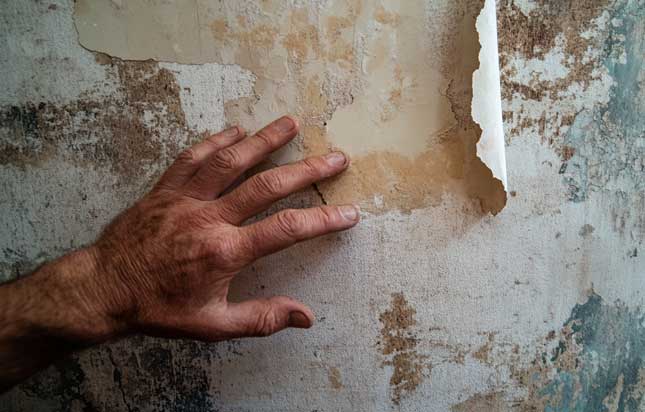
Is your Pontypridd home suddenly showing damp patches after heavy rain? You are not alone. Many homes in the Rhondda Cynon Taf area develop stains on walls and ceilings after storms. These patches can look like simple condensation. In reality, they often point to deeper moisture problems. Left ignored, they create damp, mould, and even health risks. This guide explains what causes post‑rain damp in Pontypridd houses. Then it shows you quick, safe ways to dry the area. Finally, it covers long‑term roof and building checks. By the end, you will know when to call professional mould removal specialists and how PRBGE can protect your home or rental long‑term.
What Causes Post‑Rain Damp Patches in Pontypridd Houses?
After a downpour, some Pontypridd homes stay dry. Others show tell‑tale damp patches. The difference usually comes from how the building deals with rain. In many cases, the problem is penetrating damp. This means water forces its way through the structure. Roof tiles can crack. Flashing can lift. Guttering can block. Each of these issues lets rainwater into walls or ceilings. Over time, moisture seeps through plaster and causes staining. In older terraced homes, bridged or damaged DPC (damp‑proof course) also lets water rise. Windows and doors can leak too if seals fail. All these sources mix with everyday condensation. The result is a wet patch that refuses to disappear.
Pontypridd’s location in the Welsh valleys adds extra pressure. Rain often comes fast and heavy from the hills. Property owners in Trefforest, Treforest, and surrounding areas see this more often. The damp appears after a storm, then returns slowly. This pattern is a strong clue that the problem is not just condensation. It is likely linked to rainwater finding weak spots in the building envelope. If you see the same patch after every heavy shower, it is time to act.
How to Spot Dangerous Damp vs Normal Condensation
Spotting the difference is crucial. Normal condensation usually forms on cold surfaces. Think exterior walls, windows, and corner ceilings. It looks milky or foggy. It appears overnight or in the morning. Often it dries when the room warms up. In contrast, dangerous damp stays darker and more stubborn. You may see brown or yellow staining. The plaster can feel soft or cold. In worst cases, you see black mould spreading. A musty smell is another red flag. If your clothes or curtains near the wall feel damp, the problem is likely deeper.
Pontypridd homeowners must watch for these signs year‑round. If a patch appears only after heavy rain, it points to water ingress. Persistent mould, especially black mould, raises health concerns. People with asthma or allergies may start coughing or feeling unwell. In these cases, you should not treat it as “just condensation.” Instead, treat it as a warning that your home needs a professional check. A local mould remediation expert can test the source and suggest safe removal.
Quick Dry‑Out Methods for Pontypridd Homeowners
Once you see a damp patch, acting quickly matters. First, improve airflow. Open windows on opposite sides of the house. This helps air move through the room. Use an electric fan if possible. Point it at the affected wall, not directly at the ceiling. If you have a dehumidifier, run it overnight. These steps reduce immediate moisture. However, they do not fix the root cause. They simply buy you time until you can inspect the roof or call a specialist.
Next, avoid sealing the room airtight. Some people close windows to keep heat in. This can trap moisture and make the problem worse. In Pontypridd’s cooler climate, a balance is key. Keep the room warm enough, but let stale air escape. Gently dab the wall with a clean towel if it feels wet. Never rub hard or soak the area. Doing so can push water deeper into the plaster. If the patch is large or recurring, stop DIY steps. Call a professional mould removal specialist instead.
When to Call a Mould Removal Specialist
Certain situations need expert help fast. First, if you see real mould, not just a wet mark. Black, green, or grey spots on walls or ceilings are a clear sign. Second, if the damp returns after every rain or storm. Third, if several family members feel unwell in the room. This includes coughing, wheezing, or skin irritation. In these cases, calling a mould removal specialist in Pontypridd is the safest choice.
Professional mould remediation teams have training and tools. They wear protective gear. They test the moisture level and trace the source. They remove mould safely, using approved biocides and extraction methods. Many companies also offer surveys. These surveys help you understand why the damp keeps coming back. For landlords, this is essential. You must protect tenants and comply with housing standards. A local “mould removal specialist Pontypridd” can inspect a rental and give a written report.
In some cases, you may need commercial mold remediation. Offices, shops, and care homes in the area also suffer from damp after storms. A professional can clean and sanitise the space. They can also advise on ventilation upgrades. This protects staff, visitors, and customers. If you type “mold removal services near me,” you should see local, certified options. Always ask for experience in Pontypridd and the surrounding valleys.
PRBGE’s Local Pontypridd Mould Remediation Service
PRBGE is more than a generic cleaning firm. It is a mould remediation and moisture‑control expert based in Pontypridd. The team works across the Rhondda Cynon Taf region. They help homeowners, landlords, and small businesses. Their focus is on safety, source‑finding, and long‑term protection. When you call PRBGE, the process starts with a survey. A technician checks your roof, walls, and ventilation. They use moisture meters and inspection tools. Then they explain what is causing the damp.
Once the source is clear, PRBGE plans the remediation. For small areas, they may use dry‑fog or targeted cleaning. For larger black mould growth, they use full‑site safety measures. All waste is disposed of correctly. After cleaning, they give you a report. This report lists the risks and suggestions. For example, fixing a flashing point on the roof or clearing blocked gutters. They can also arrange follow‑up checks. This is useful for landlords who manage multiple properties.
Long‑Term Roof and Building Checks After Rain
Preventing future damp starts with a good roof check. After heavy rain, walk around the outside of your home. Look for missing or cracked tiles. Check flashing around chimneys and vents. Make sure gutters are not overflowing. Some valleys around Pontypridd hold water longer than others. Slight roof leaks can become big problems over time. If you are unsure, ask a roofer to inspect. A professional can spot weak joints and broken seals.
Inside the house, check window and door frames. Look for gaps where water can sneak in. Older terraced homes may need fresh pointing or render. If the damp keeps appearing in one corner, it may link to a high gravel‑board or bridged DPC. In these cases, a damp surveyor can help. They can assess the wall and suggest a fix. Long‑term checks do not need to be frequent. Once a year after winter is often enough. This timing lines up with when rain damage becomes obvious.
Mould Prevention and Moisture Control in Pontypridd Homes
Good habits reduce recurrent damp. Start with ventilation. Open windows for at least 15 minutes a day. Use extractor fans in kitchens and bathrooms. Run them for a few minutes after cooking or showering. In Pontypridd’s cooler months, keep heating at a steady low level, not extreme. Sudden cold and hot spots encourage condensation.
Next, dry laundry outside or in a well‑ventilated room. Avoid hanging wet clothes on radiators in closed rooms. If you notice moisture on windows, wipe it down. This stops water from running down the walls. For landlords, these small steps can make a big difference. They lower the risk of mould complaints and refusals to rent. Over time, these habits cut the need for professional mould removal.
How PRBGE Can Help Your Pontypridd Home or Rental Long‑Term
PRBGE’s strength is its local focus. Pontypridd and the surrounding valleys share similar weather and building styles. Terraced homes, older flats, and converted properties all need tailored care. PRBGE’s surveys are not generic. They look at your roof, your walls, and your ventilation. They explain the problem in simple language. Then they give you a realistic plan.
For landlords, this clarity is priceless. You get a written record of the property’s condition. You can show proof of repairs to tenants and insurers. If a tenant reports black mould, you can respond quickly. A professional remediator can clean the area and test the air. This reduces legal risk and keeps your reputation strong. PRBGE also offers follow‑up visits. These visits help you track progress and prevent future issues.
