
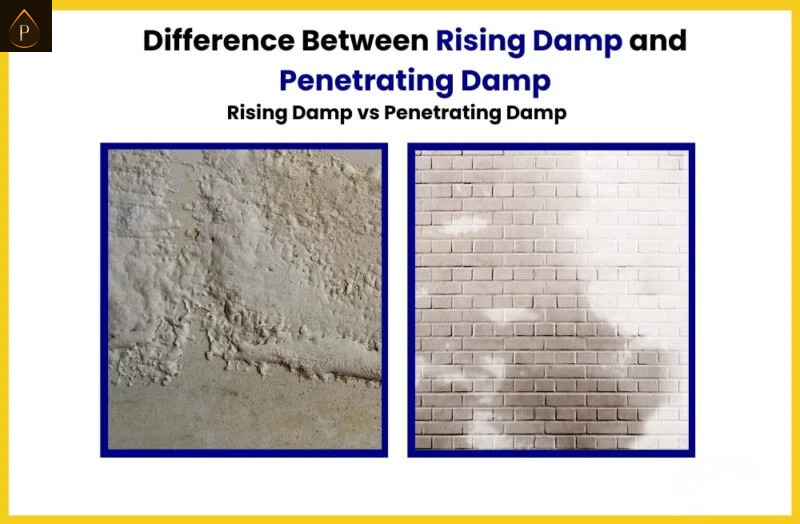
South Wales homes live with rain almost all year, so moisture builds up fast in older walls and foundations. In fact, parts of the South Wales Valleys can see over 2,000mm of rainfall each year, while Cardiff itself experiences high humidity and frequent wet, windy days that keep building exteriors damp. Because so much of Cardiff’s housing stock is Victorian or pre‑modern regulation, many properties still lack modern damp‑proofing and ventilation, which makes them especially vulnerable to rising damp, penetrating damp and everyday condensation. The result is a perfect storm for damp patches, peeling paint and stubborn mould growth in Cardiff terraces and flats, as well as in Newport, Swansea and the surrounding valleys.
That is why this visual guide to “Rising Damp vs Penetrating Damp vs Condensation: Visual Guide for South Wales Homes” is designed to help you quickly recognise what you are seeing on your walls and windows before the damage gets worse. We will walk through how each type of damp behaves, how it looks in real South Wales homes and which fixes actually work, so you can make smart decisions about damp proofing Cardiff homes and tackling moisture problems in Newport properties and beyond. As local conditions are so specific, it is important to match the right treatment to the right problem, instead of relying on generic advice that ignores our coastal climate and older building styles across South Wales.
If you would rather have a specialist confirm what kind of damp you are dealing with, PRBGE provides expert mould remediation, damp proofing and condensation control for homes and rentals across Cardiff, Newport, Swansea and the surrounding valleys. PRBGE surveys focus on finding the root cause of moisture, not just wiping away surface mould, so you get long‑term protection rather than a short‑term tidy‑up. You can call PRBGE on 0333 335 6086 to book a local survey and get clear advice tailored to your property.
Rising Damp: Groundwater Pushing Past a Failed DPC
In older South Wales properties, rising damp usually starts when moisture from the ground is able to travel up through the walls by capillary action. This happens when the original damp proof course (DPC) is missing, has broken down with age or has been “bridged” by raised external ground levels, new paths, plaster or render that sit higher than the DPC line. Homes in places like Merthyr Tydfil and the Vale of Glamorgan often have solid walls, older brick or stone and shallow foundations, so they are particularly vulnerable once the barrier stops working. After long spells of South Wales rain, the high water table and saturated ground can push even more moisture into these weak points, which is why you see classic tide marks, blistering paint and crumbling skirtings rather than just surface condensation.
Because rising damp is tied to the structure, DIY dehumidifiers and mould sprays never fix the root cause for long. PRBGE surveys identify whether you have genuine rising damp or another problem, then recommend targeted solutions such as repairing or installing a DPC, removing contaminated plaster and improving drainage around your Vale of Glamorgan or Merthyr Tydfil home.
Penetrating Damp: Driven Rain, Leaky Roofs and Gutters
Penetrating damp is different because the water usually comes through from the outside rather than up from the ground. In exposed South Wales locations like Rhondda Cynon Taf and Blaenau Gwent, heavy, wind‑driven rain often exploits weak spots in roofs, chimneys, brickwork and render. Blocked or damaged gutters and downpipes can overflow during storms and pour water down the wall, while cracked pointing, porous masonry and loose roof tiles allow that rain to soak horizontally through into ceilings and high wall areas instead of only at floor level. Over time, this creates irregular dark patches, flaking paint and damp ceilings that might be mistaken for condensation if you only look at the surface.
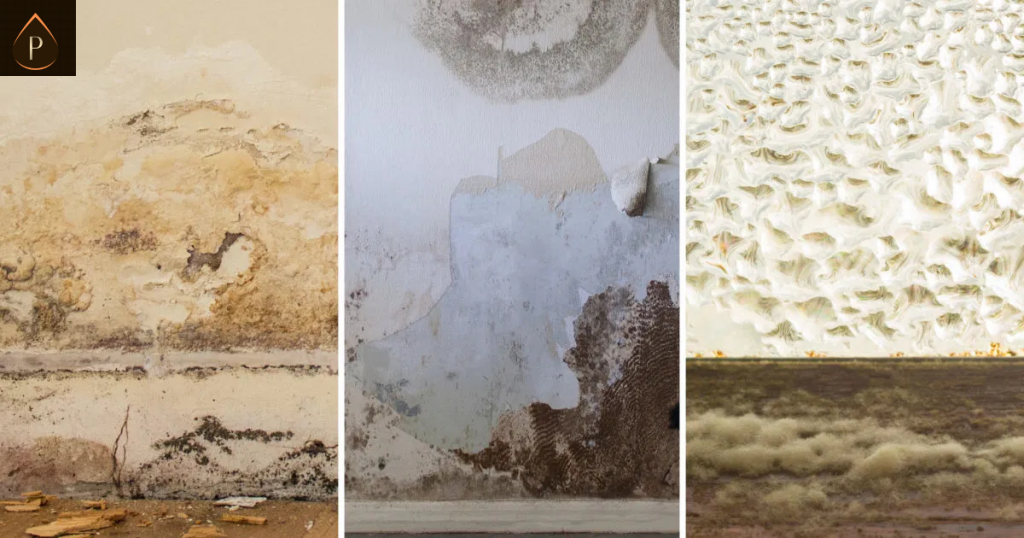
Because so many valley homes sit on hillsides and take the full force of the weather, small gutter problems or slipped tiles around Blaenau Gwent roofs can quickly turn into serious penetrating damp inside. PRBGE can trace these water paths back to the source using moisture diagnostics, then coordinate repairs to gutters, roof coverings, pointing and external walls, alongside safe mould removal where internal surfaces have already been affected.
Condensation: Sealed Swansea Homes and Everyday Moisture
Condensation damp usually builds up from the inside out, especially in coastal and valley areas like Swansea, Neath and Port Talbot where the climate is humid and winters are long and wet. When families cook, shower, dry clothes indoors and breathe in tightly sealed homes with limited ventilation and under‑insulated walls, warm moist air hits cold surfaces and turns into water droplets. You typically see this on bedroom and bathroom windows, external corners and cold bridges, where repeated wetting creates ideal conditions for black mould to colonise paint, plaster, silicone and even furniture. Unlike rising or penetrating damp, there is often no structural leak; instead, lifestyle, poor airflow and cold surfaces combine to keep rooms constantly damp.
Persistent condensation is one of the leading drivers of black mould in Swansea‑area homes and can aggravate asthma and other respiratory problems if it is not controlled properly. PRBGE tackles this by combining specialist mould removal with practical condensation solutions, such as improving ventilation, upgrading extract fans and advising on everyday moisture management, so your home stays drier long‑term rather than just looking clean for a few weeks.
If you are unsure which of these problems you are dealing with in Cardiff, the Vale of Glamorgan, Rhondda Cynon Taf or Blaenau Gwent, you can call PRBGE on 0333 335 6086 to arrange a local damp and mould survey tailored to your property.
Visual Differences: Rising Damp vs Penetrating Damp vs Condensation
South Wales homes often show more than one type of damp at the same time, so a clear side‑by‑side view makes it easier to work out what you are actually dealing with. This quick visual guide focuses on where the marks appear, what they look like up close and how they usually feel or smell in typical South Wales weather conditions. PRBGE surveyors use exactly these clues on site to distinguish rising damp, penetrating damp and condensation before recommending the right treatment.
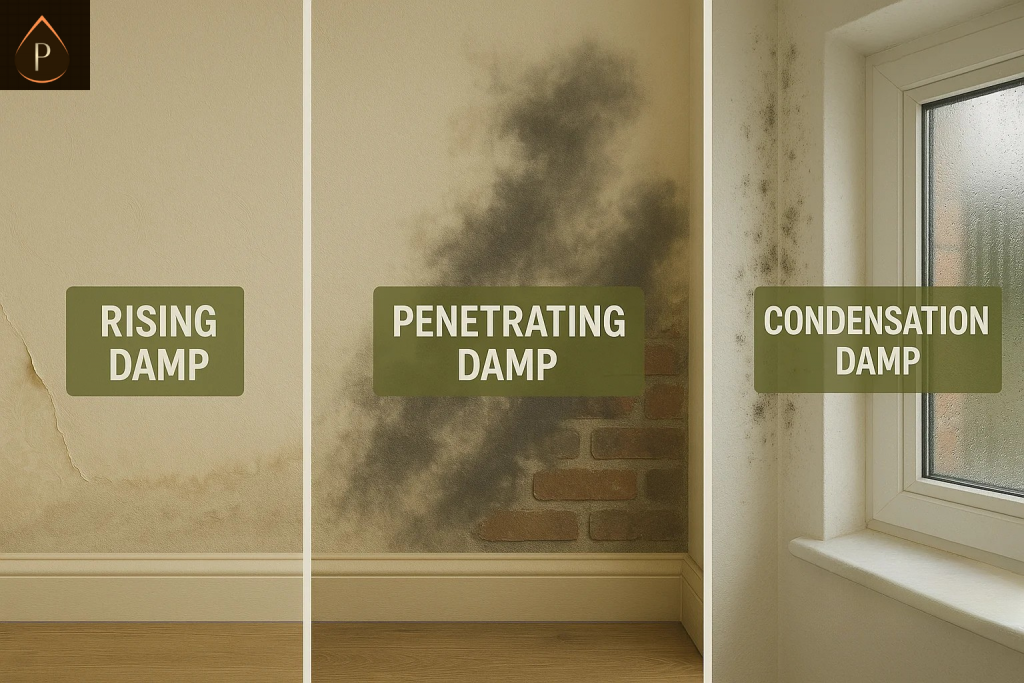
| Damp Type | Location in Home | Visual Signs | Texture / Smell | Typical South Wales Trigger |
| Rising Damp | Low internal walls, usually up to about 1m from floor level, often near skirtings and chimney breasts | Noticeable tide mark line, bubbling or flaking paint, plaster crumbling at the base, white “furry” salt deposits on the surface | Powdery or crumbly plaster, often with a musty, earthy smell | Failed or bridged damp proof course in older walls, especially in Caerphilly and valley basements after prolonged wet weather |
| Penetrating Damp | Ceilings, chimney breasts, high sections of external walls, around window heads and reveals | Irregular dark patches that often grow after rain, brown “tea‑stain” marks, localised peeling paint or blown plaster | Feels wet or cold to the touch, staining can feel slick, sometimes smells damp but not always musty | Leaking or overflowing gutters, cracked render or missing tiles during heavy Torfaen and Rhondda Cynon Taf rainstorms |
| Condensation | Cold surfaces such as windows, external corners, behind furniture on outside walls, bathrooms and kitchens | Beads or film of water on glass, misted windows, black or dark green mould spots in corners, on silicone and around frames | Slimy or slightly greasy mould patches, strong musty or “stale” smell in closed rooms | Poor ventilation and cold surfaces in tightly sealed Port Talbot and Swansea homes during long, wet winters |
If the marks in your Cardiff, Newport or Swansea property fit more than one row in this table, PRBGE can carry out a detailed survey to confirm the true cause and plan the right fix. You can call PRBGE on 0333 335 6086 to book a local inspection before the damage spreads further.
Rising Damp Visual Guide for Cardiff & Surrounds
In and around Cardiff, genuine rising damp nearly always shows itself low down on the wall, rather than near ceilings or mid‑height patches. Skirting boards start to swell, crack or crumble, paint bubbles close to the floor and plaster feels brittle when you tap it. In some Merthyr Tydfil terraces you also see floorboards warping or lifting slightly at the edges, especially along external walls and near chimney breasts where moisture has been wicking up for years.
Another clear sign is the “tide mark” effect, where staining or discolouration sits in a fairly straight band up to around one metre from the floor, sometimes with white, powdery salt crystals on the surface. These salts are pulled up from the ground with the water and then left behind as the wall slowly dries, which is why wiping the wall or painting over it never lasts. For a visual, you could show a close‑up photo of a South Wales living room wall where the lower plaster is blown and the skirting has started to rot, plus an infographic that labels the DPC line and the affected zone.
Because rising damp is rooted in the structure, PRBGE focuses on fixing the pathway rather than just treating the symptoms. On suitable walls, PRBGE can use chemical DPC injection to form a new barrier, remove salt‑contaminated plaster and specify breathable finishes that let the wall dry out properly. This approach works well for older Rhondda homes where traditional materials and modern living clash, making “rising damp treatment Rhondda homes” a key phrase for local property owners who need specialist help.
Penetrating Damp: Spot It in Newport Properties
In Newport and the surrounding valleys, penetrating damp usually flares up after heavy rain, not randomly. You might notice fresh dark patches on ceilings or high walls the day after a storm, especially below flat roofs, chimney stacks or around the junctions where two roofs meet. In Blaenau Gwent and nearby areas, where homes often stand in exposed positions, wind‑driven rain can be forced through small gaps around tiles, flashings and brickwork.
Externally, cracked or hollow render and worn pointing are classic warning signs that water has an easy route into the wall. When you walk around a Newport or Monmouthshire property, you may see vertical streaks, algae tracks or peeling paint beneath gutters and downpipes that regularly overflow in bad weather. Inside, these same faults translate into irregular dark stains rather than a neat band at the bottom of the wall, which helps distinguish penetrating damp from rising damp.
PRBGE tackles penetrating damp by tracing the moisture back to its source and then arranging robust repairs. That can include clearing and renewing gutters, fixing downpipes, renewing failed render or repointing exposed brickwork, as well as replacing damaged internal plaster once the wall is drying correctly. Where mould has already taken hold on ceilings, in corners or around window heads, PRBGE’s professional mould remediation services give Monmouthshire homeowners a safe way to decontaminate surfaces and stop spores spreading further. Targeting phrases like “professional mould remediation Monmouthshire” helps local residents find a contractor who understands the specific weather and building styles in this area.
Condensation & Black Mould in Swansea Areas
Around Swansea, Neath and Port Talbot, a lot of “damp” patches turn out to be condensation issues made worse by the coastal climate. Warm, moisture‑laden air from showers, cooking and drying clothes hits cold external walls or window glass, then condenses into visible droplets. Over time, repeated wetting lets black mould take hold in corners, on silicone seals and behind big items of furniture pushed tight against outside walls.
On Neath walls you might see crescent‑shaped or fan‑like patterns of mould where air circulation is poor, rather than a straight line or a patch that always appears after rain. Windows can show arches of moisture or beads that sit along the bottom edge of the glass each morning, especially in bedrooms and bathrooms. When you touch these areas, they often feel clammy or slightly slimy rather than chalky or crumbly, and the room may smell musty or stale as soon as you walk in.
To deal with this properly, PRBGE combines safe black mould removal with practical condensation control. That can include upgrading or fitting continuous‑running extract fans, improving trickle ventilation, suggesting layout changes and advising on heating and moisture‑management routines. For homeowners searching “mould removal services near me Bridgend”, this joined‑up approach means you are not just having mould washed off, you are also tackling the conditions that allowed it to grow in the first place.
Tailored PRBGE Solutions Across South Wales
Whether your problem is rising damp in a Cardiff terrace, penetrating damp in a Newport semi or stubborn condensation in a Swansea flat, PRBGE offers expert surveys designed to eliminate the root cause of moisture rather than just hiding the symptoms. The team provides damp proofing, mould removal and condensation control across all the main South Wales hubs, including Cardiff, Newport and Swansea, as well as surrounding areas from Merthyr Tydfil and Rhondda Cynon Taf through Caerphilly, the Vale of Glamorgan, Blaenau Gwent, Torfaen, Monmouthshire, Port Talbot, Neath and Bridgend. PRBGE also supports commercial mold remediation for landlords, housing providers and businesses that need fast, compliant solutions.
Because PRBGE understands local building types and weather patterns, the survey you receive is tailored to your property and your town, not just a generic checklist. That might mean specifying chemical DPC injection for a Rhondda stone cottage, exterior repairs for a Blaenau Gwent roof or a full black mould removal and ventilation upgrade package for a Port Talbot flat. If you are searching “professional mould removal Port Talbot” or similar terms, PRBGE aims to be the trusted local name that comes up when you need clear answers and reliable workmanship. You can call PRBGE on 0333 335 6086 to discuss your situation and book a visit anywhere in South Wales.
Next Steps: Free Survey in Your Area
If you are still unsure whether you are seeing rising damp, penetrating damp or condensation in your South Wales home, the safest next step is a professional visual assessment. PRBGE can visit your property, test moisture levels, inspect external defects and check ventilation so you know exactly what is going on behind the stains and mould. During the survey, you will also get practical recommendations and a clear plan of action, including treatment options and timescales.
To arrange this, you can contact PRBGE through the website page call 0333 335 6086 to speak to the team directly. Adding this page to your internal links helps readers move smoothly from the guide to booking help and also supports your local SEO strategy. Once the FAQ content is added to the bottom of the article and marked up with schema, you will be better positioned to capture People Also Ask visibility for damp and mould questions across South Wales.
