
Why South Wales Homes Get Damp in Winter
South Wales has cool, wet winters, so homes stay cold and humid for long periods. Because of this mix, moisture easily settles on chilly windows and external walls. Many houses in Cardiff, Newport, Swansea and the Valleys are older solid‑wall properties, so they struggle to dry out between heavy showers.
In winter, homeowners usually face three main types of damp in these homes. Condensation damp is the most common and appears when warm, moist air hits a cold surface, such as windows, corners or tiles. Penetrating damp happens when rain gets through damaged roofs, cracked render, faulty pointing or leaking gutters. Rising damp occurs when moisture travels up from the ground through walls, often where the damp proof course has failed or is missing.
Light condensation is often realistic to tackle with DIY steps. Simple actions like better ventilation, careful heating and moisture control can reduce small patches of mould. However, spreading black mould, tide marks, or damp reaching skirting boards usually need expert assessment. In those situations, a professional mould remediation company can find the cause, protect the structure and treat affected rooms safely.
PRBG Environmental works as a local expert in mould remediation, damp proofing and condensation control across Cardiff, Newport, Swansea and surrounding South Wales areas. The team focuses on finding and fixing the root cause of moisture, not just cleaning surfaces. For tailored advice or a detailed damp survey, homeowners can call +44 7813 717687 and speak directly with PRBG Environmental.
Understanding Damp: Signs, Risks and When DIY Is Enough
Common signs of damp and mould in South Wales properties
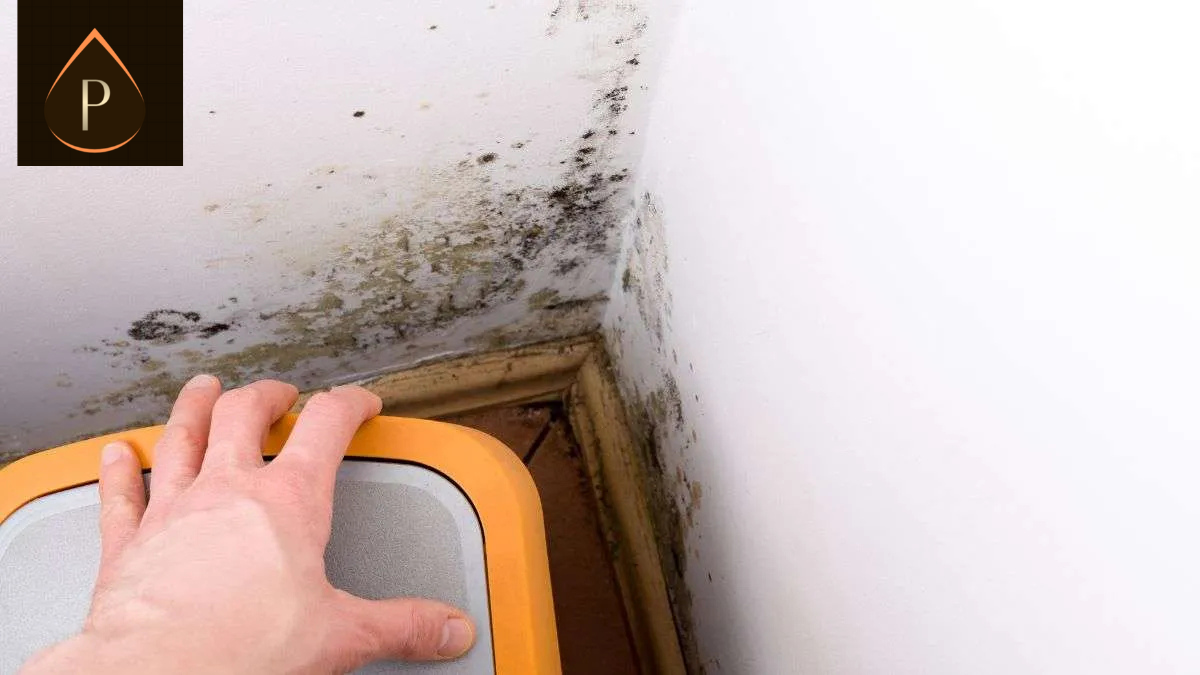
South Wales homes often show subtle signs of damp before serious problems appear. Peeling paint, lifting wallpaper, and musty smells are early warnings that rooms are staying too cold and humid. In winter, many properties also develop streaming windows, wet sills and black spots on silicone, grout and room corners.
Small condensation problems can often be handled with careful DIY. Regularly using extractor fans, opening windows in short bursts, and avoiding drying clothes in unventilated rooms usually helps. However, persistent black mould, clear tide marks on walls, or crumbling plaster suggest a deeper damp issue. Those patterns point towards rising or penetrating damp, which simple cleaning will not cure.
Health and property risks of ignoring damp
Damp and black mould affect more than the appearance of a room. Breathing in mould spores over time can lead to coughing, sneezing, wheezing and asthma‑like symptoms. Children, older adults and people with existing breathing problems are especially vulnerable when they live in cold, damp housing.
If moisture stays in the structure over several winters, it can also cause lasting damage. Plaster can soften and bubble, timber can rot, and metal fixings may corrode. Cold, wet walls also lose heat faster, so energy bills rise while rooms still feel chilly and uncomfortable.
DIY vs professional mould removal
DIY steps work best for light, surface‑level condensation and early mould patches. Homeowners can safely clean small areas with suitable products, improve airflow, manage indoor moisture and adjust heating patterns. These actions often control mild condensation in bathrooms, kitchens and around windows.
However, there are clear cases where a black mould removal specialist is essential. Recurring mould in the same spots, growth behind furniture, or mould in multiple bedrooms often means moisture is trapped in the structure. Signs of rising damp or penetrating damp, such as tide marks, damaged skirting or wet patches after rain, also require professional mould remediation. In these situations, PRBG Environmental can survey the property, identify the source and design a safe, long‑term solution for homes across Cardiff, Newport, Swansea and the wider South Wales region.
10 DIY Tips to Stop Dampness in South Wales Properties This Winter
Tip 1: Improve everyday ventilation without freezing
Good ventilation is one of the simplest ways to cut condensation in winter without losing all your heat. Short “burst” openings work well, so open opposite windows for a few minutes to let moist air escape. Trickle vents on modern windows should stay open, even when it feels cold outside.
During showers and cooking, keep extractor fans running for longer than you think you need. Let them run for at least 15–20 minutes after steam stops. At the same time, close internal doors, so warm, moist air does not drift into cooler rooms. This habit helps Cardiff, Newport and Swansea households cut condensation on cold walls and windows through the whole winter.
Tip 2: Use extractor fans correctly in kitchens and bathrooms
Extractor fans only work well when they run at the right time and for long enough. Switch fans on before you start cooking or showering, not halfway through. Then leave them running for 15–20 minutes afterwards, so damp air leaves the room instead of drifting into the hallway or bedrooms.
Ideally, bathroom and kitchen fans should have timers or humidistat controls. These features keep them running until humidity drops to a safer level. In older terraces around Rhondda Cynon Taf, Caerphilly or Merthyr Tydfil, weak, noisy or very old fans often fail to move enough air. Upgrading to a modern, quiet fan can dramatically reduce black mould on grout, sealant and ceilings in these homes.
Tip 3: Control indoor moisture from drying clothes
Drying clothes indoors is one of the biggest hidden causes of winter condensation. Wet washing can release a surprising amount of moisture into the air as it dries. When clothes sit on radiators and airers in small rooms, humidity rises quickly and settles on cold glass and walls.
Instead, try to create a simple drying zone in the home. Use a spare room or landing with a window open a small amount and the door kept shut. A dehumidifier placed near the airer will collect a lot of this moisture before it reaches windows. Whenever possible, avoid drying clothes in unventilated bedrooms in Newport, Blaenau Gwent and Torfaen, as this often leads to mouldy corners and musty bedding.
Tip 4: Use dehumidifiers and moisture absorbers wisely
A plug‑in dehumidifier can be very helpful when condensation keeps returning on windows or in small, cold rooms. These units pull moisture out of the air and collect it in a tank. They are especially useful in damp wardrobes, box rooms and spaces that never quite feel dry.
However, dehumidifiers work best as part of a wider plan, not as the only fix. Low‑cost moisture absorbers, like crystals or small tubs, can help in cupboards and bay windows. They soak up some local humidity but do not solve leaks, missing ventilation or failed damp proofing. Because of this, they should support other steps, not replace proper damp and mould investigation in South Wales properties.
Tip 5: Heat your home consistently (not just “blast” heating)
Short blasts of very high heat often leave walls and windows cold. When the heating goes off, warm air quickly cools on those surfaces and turns into condensation. A steadier, low‑to‑medium level of heating keeps rooms and wall surfaces closer in temperature, so less moisture settles.
For energy‑conscious homeowners in Cardiff, Swansea and the Vale of Glamorgan, zoning can really help. Focus heat on the rooms you use most and keep doors shut to hold warmth in. Keep the coldest, most mould‑prone spaces slightly heated rather than letting them drop to very low temperatures. This approach uses heat more efficiently while still protecting walls from heavy condensation.
Tip 6: Move furniture and improve airflow along cold walls
Furniture pressed tight against external walls can trap pockets of cold, still air. That air cools down and lets moisture settle, so mould grows behind wardrobes, beds and sofas. Many South Wales homes only discover this when they move furniture and find black patches or musty plaster.
A few simple layout changes improve airflow a lot. Leave a small gap, around 5–10 cm, between large furniture and the wall, so air can move freely. Try not to over‑fill wardrobes and cupboards, and leave doors slightly open when rooms feel damp. In Caerphilly, Neath and Bridgend, these small changes often make the difference between recurring mould and dry walls.
Tip 7: Tackle minor mould safely and correctly
When you deal with minor mould, safety matters as much as appearance. Always wear basic protective gear like gloves and a mask before cleaning affected areas. Use a suitable mould cleaner or recommended solution and follow the label, instead of harsh bleach alone.
Never dry‑scrub mould, because this can release more spores into the air. Wipe gently and avoid soaking the wall, then dry the area well afterwards. These DIY steps are sensible for small, surface patches caused by condensation. However, if black mould keeps coming back, spreads onto plasterboard, or returns within a few weeks, it is time to call professional mould removal specialists in South Wales.
Tip 8: Maintain gutters, rooflines and external walls
Penetrating damp often starts outside, then appears inside as dark patches and peeling paint. Blocked gutters and leaking downpipes allow water to spill down walls, which keeps brick or render wet. Over time, this moisture can soak through and show up as damp spots or mould inside the property.
Homeowners in Swansea, Port Talbot and Bridgend can do simple checks a few times each year. Clear leaves from gutters, look for overflows during heavy rain, and inspect joints and brackets. From ground level, check for cracked render, missing pointing or slipped tiles and note anything that might need a professional roofer or damp specialist. These quick checks often prevent bigger damp problems later.
Tip 9: Check ventilation in lofts, wardrobes and hidden spaces
Lofts, built‑in cupboards and other hidden spaces can hold a lot of trapped moisture. Blocked vents or insulation pushed tight into eaves can stop air moving properly in lofts. When this happens, cold surfaces meet warm air and condensation forms on timbers and felt.
Simple checks help keep these areas dry. Make sure loft vents are clear and insulation does not block them, and look for signs of mould or damp patches on stored items. Wardrobe damp and musty clothes are warning signs that air is not moving enough. Adding small vents, not over‑packing, and using a dehumidifier or small heater in severe cases can all improve conditions.
Tip 10: Know when to book a professional damp and mould survey
DIY steps work well for early condensation and small, surface‑level problems. But some signs mean you should stop guessing and bring in an expert. Tide marks, blistering paint and damp spreading across walls all point to deeper moisture issues.
If condensation never really clears, or if mould appears in multiple rooms, the property needs a closer look. Mould behind furniture, damaged skirting boards, and strong musty smells are all red flags. At this stage, homeowners in Cardiff, Newport, Swansea and surrounding areas should book a professional damp and mould survey with PRBG Environmental. The team can identify the root cause and design a long‑term solution that protects both the building and the people living inside.
Cardiff: Bay‑fronted terraces, flats and student lets
Many Cardiff homes are classic Victorian terraces, bay‑fronted houses, HMOs and flats with older or single‑glazed windows. Because these buildings lose heat quickly, internal walls and glass stay cold, so everyday moisture turns into heavy condensation. Student lets and shared houses also create extra steam from showers, cooking and drying clothes, which pushes humidity even higher.
City‑specific habits make a real difference in these homes. Residents should check that window trickle vents stay open and are not painted shut or taped over. Ground‑floor flats benefit from regular use of dehumidifiers near cold external walls and bay windows. When black mould keeps coming back despite cleaning and better routines, it is time to search for professional mould removal services near me in Cardiff and book a survey with a local specialist such as PRBG Environmental.
Merthyr Tydfil, Rhondda Cynon Taf, Caerphilly & Vale of Glamorgan
Valley and coastal homes across Merthyr Tydfil, Rhondda Cynon Taf, Caerphilly and the Vale of Glamorgan face strong winds and high rainfall through much of the year. Many properties are older stone or solid‑brick houses with exposed elevations. When pointing, render or rainwater goods age, these walls can start to suffer from penetrating damp as rain is driven into the masonry.
Homeowners can cut a lot of risk with simple DIY checks. Clearing gutters, checking downpipes during storms, and looking for cracks or missing pointing all help keep walls drier. Inside, keeping rooms ventilated, using extractor fans and cleaning small mould patches promptly can control light condensation. For stubborn damp patches on stone and brick, combining these steps with an expert damp proofing survey gives the best long‑term protection for homes in these South Wales areas.
Newport: Riverfront homes, older stock and new builds
Newport has a mix of river‑adjacent properties, older terraces and tightly sealed new estates. Homes near the river often feel cooler and more humid, so condensation forms easily on external walls and window reveals. Older terraces may have tired windows and limited ventilation, while modern, energy‑efficient builds can trap humidity because they are so airtight.
Residents can blend DIY steps with professional support to keep damp under control. Regular ventilation, careful, steady heating and moisture control will reduce light condensation around windows, corners and bathrooms. If damp marks return every winter, or if mould builds up in multiple rooms despite good habits, Newport homeowners should arrange professional mould remediation. A detailed survey will check for build defects, hidden leaks and ventilation issues rather than blaming lifestyle alone.
Blaenau Gwent, Torfaen & Monmouthshire
Many properties in Blaenau Gwent, Torfaen and Monmouthshire are smaller homes or flats with limited natural ventilation. Some also have older insulation or none at all, so bedrooms and hallways become cold spots in winter. Those rooms often develop condensation on external walls and windows, which soon leads to damp smells and mould.
Practical, low‑cost steps help these households protect their spaces. Using trickle vents, opening windows in short bursts and keeping furniture slightly away from cold walls all support better airflow. Simple dehumidifiers can manage moisture in small bedrooms and living rooms. When schools, landlords or local businesses see repeated mould problems, they should look into commercial mold remediation, so a specialist can design a safe, long‑term plan for occupants.
Swansea & coastal South West
Swansea and nearby coastal towns such as Port Talbot sit directly in the path of strong, salt‑laden winds and driving rain. Homes here are particularly vulnerable to penetrating damp where masonry, pointing or render have started to fail. External walls can stay wet for long periods after storms, which encourages damp patches inside, especially on exposed gable ends.
DIY checks help owners stay ahead of these risks. Residents should look for hairline cracks in render, blown paint, missing pointing and signs of water tracking down walls after heavy rain. Keeping gutters and downpipes clear also protects walls from constant saturation. When internal patches keep returning, or when salt staining appears on plaster, coastal homeowners should call professional damp proofing and mould removal services near me in Swansea to investigate the building fabric properly.
Neath, Port Talbot & Bridgend
Neath, Port Talbot and Bridgend have many semis, terraces and ex‑local authority homes. These properties often rely on older ventilation and extractors, so bathroom steam and cooking moisture can easily spread through the house. In winter, families also dry clothes indoors, which drives humidity up and feeds mould growth on cold corners and ceilings.
Improving everyday habits gives these homes a strong start. Using bathroom and kitchen fans every time, drying clothes in better‑ventilated rooms and keeping steady, modest heating all help to cut condensation. However, when mould keeps coming back or spreads across several rooms, families and landlords need more than DIY sprays. PRBG Environmental acts as a trusted professional mould removal partner across Neath and Bridgend, offering surveys, treatment and long‑term damp protection for both homes and rental portfolios.
When DIY Isn’t Enough: Professional Mould & Damp Solutions in South Wales
Why choose mould removal specialists instead of long‑term DIY
DIY sprays and wipes can help with very small, surface‑level mould, but they rarely fix bigger damp problems. They often bleach the stain without reaching the moisture source in the wall or ceiling. As a result, rising damp, penetrating damp or large areas of black mould usually return within weeks, even when you clean carefully.
Professional mould remediation takes a different approach. Specialist surveyors use moisture mapping, damp meters and sometimes thermal imaging to trace hidden leaks, cold bridges and trapped moisture. They also review ventilation and airflow, then design tailored damp proofing and mould treatment plans for each property. This focus on root cause makes results far more reliable than repeated DIY attempts.
Professional mould remediation and damp proofing services
South Wales homeowners and landlords can access a full range of expert services through PRBG Environmental. Core options include professional mould removal and black mould removal specialist treatments for homes and rentals, along with safe cleaning and decontamination for affected rooms. The team also provides detailed damp surveys and moisture diagnostics across Cardiff, Newport and Swansea, using specialist tools to separate condensation, rising damp and penetrating damp.
Alongside this, PRBG Environmental can design tailored condensation control solutions, such as improved extraction, passive vents and ventilation upgrades. Commercial mold remediation is also available for landlords, housing providers, schools and workplaces who need safe, compliant treatment at scale. Treatments are planned with a health‑first mindset, using non‑disruptive methods where possible and aiming for long‑term guarantees that clearly stand apart from one‑off DIY spray jobs.
Call to Action: Book Your Local Damp & Mould Survey
Homeowners and landlords across Cardiff, Merthyr Tydfil, Rhondda Cynon Taf, Caerphilly, the Vale of Glamorgan, Newport, Blaenau Gwent, Torfaen, Monmouthshire, Swansea, Port Talbot, Neath and Bridgend can all benefit from a professional damp and mould survey. A structured inspection pinpoints the real reason mould keeps returning and prevents guesswork with paints and sprays.
For expert advice and a tailored action plan, readers are invited to contact PRBG Environmental, the local professional mould remediation and damp proofing team dedicated to eliminating the root cause of moisture in South Wales homes. To book your survey or discuss a problem property, call +44 7813 717687 today and speak directly with a specialist.
