
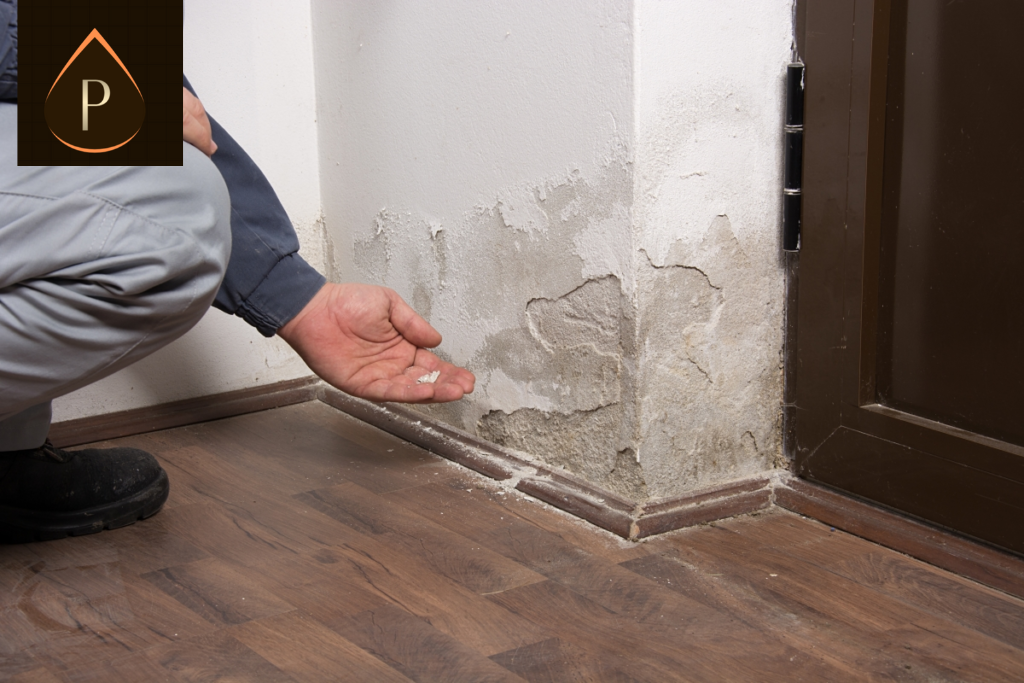
Mould in rented homes is now a serious legal issue, not just a cosmetic problem on walls and ceilings. Landlords across Wales and the wider UK face growing scrutiny because damp and black mould can make a property unfit for human habitation under modern housing standards. Recent cases and new rules, including the push behind Awaab’s Law, show that failing to tackle mould in rentals can lead to complaints, investigations and even legal action against landlords and agents.
PRBG Environmental helps landlords stay on the right side of these responsibilities with expert mould remediation and moisture‑control solutions across South Wales. The team supports owners and managing agents in Cardiff, Newport, Swansea and surrounding valleys, focusing on long‑term fixes instead of quick cosmetic cover‑ups. If you are a landlord or agent and worried about mould complaints, call PRBG Environmental on +44 7813 717687 to arrange a professional damp and mould survey for your rental portfolio.
Understanding damp & mould in Welsh rental properties
Damp in a rental home can come from several sources, and each source needs a different solution and level of landlord attention. Condensation forms when warm, moist air hits cold surfaces, so tenants may see water droplets on windows, sills and external walls on chilly mornings. Rising damp occurs when ground moisture travels up through walls or floors, which can leave tide marks, blistered paint and a persistent musty smell at low level. Penetrating damp often stems from defects such as cracked render, broken gutters, loose roof tiles or failed pointing that let rainwater soak into the building. Leaks from plumbing, showers or roofs also add to the moisture load, especially around bathrooms and kitchens. Over time, these damp conditions encourage black mould on bedroom walls in a rental flat, mould and mildew on bathroom grout and silicone, and fuzzy spores around window frames.
In Newport and wider South Wales, local housing conditions can make mould more likely if damp issues remain untreated. Many older terraces and traditional stone properties have solid walls, limited insulation and cold bridges that stay chilly in winter. Poor or missing ventilation in bathrooms and kitchens means steam has nowhere to escape, so condensation and mould around windows in a Cardiff rental become common complaints. High occupancy in shared houses and HMOs adds extra moisture from showers, cooking and drying clothes indoors. Coastal humidity and frequent rainfall across South Wales also keep external walls damp for longer, which can push more moisture into the structure. All these factors combine to create bathroom mould and mildew in a shared house in Newport and similar problems in other local rentals if landlords do not control the underlying moisture.
Health risks – why landlords must act quickly
Persistent damp and mould in a rental property are closely linked to poor health outcomes for many tenants. People may develop or worsen respiratory issues such as coughing, wheezing and breathlessness when they live with visible mould for long periods. Asthma attacks can become more frequent or severe, especially in children who sleep in rooms with black mould on the walls or ceilings. Some tenants suffer from allergies, irritated skin, sinus problems or eye irritation caused by mould spores and damp indoor air. Children, older people and anyone with existing breathing or immune problems face higher risks from mould in a rental property, so health impacts can appear faster in these groups.
Because of these dangers, regulators and local authorities now treat black mould as a health and safety issue, not a minor decorative flaw. Environmental health teams can inspect a property and decide that serious mould growth contributes to a category hazard or makes the home unfit for human habitation. If a landlord ignores reports like “is mould in my Newport rental making tenants sick”, authorities may issue improvement notices or start formal enforcement action. Tenants may also seek advice on when mould becomes a housing disrepair issue and could pursue legal claims if landlords fail to act within a reasonable time. For most landlords, the safest and most cost‑effective approach is to respond quickly and bring in professional mould remediation before a complaint turns into a compliance or court problem.
Key landlord legal duties on damp & mould in Wales
Welsh housing law expects landlords to do more than paint over black patches on a wall. Under the Renting Homes (Wales) Act and Fitness for Human Habitation standards, you must keep the structure in repair and ensure the property is free from serious damp and mould that makes it unsafe or unhealthy to live in. This duty applies throughout the agreement, so landlords should act promptly when tenants report damp smells, visible mould or signs of leaks.
When mould makes a home “unfit for human habitation”
A home can be classed as “unfit” when damp and mould are widespread, severe or left untreated for too long. Inspectors and courts look at the extent of mould, whether bedrooms or living rooms are affected and if there is an underlying defect that the landlord has failed to tackle. If serious mould remains after complaints, the property may fail fitness standards even if other repairs are up to date.
Landlord vs tenant responsibility: who pays for mould treatment?
Most structural damp problems sit firmly with the landlord. Penetrating damp from cracked render, leaking roofs or faulty gutters, rising damp from a failed damp course, poor insulation and inadequate fixed ventilation all relate to the building rather than how tenants live day to day. In these cases, landlords are usually responsible for both repairing the cause and paying for professional mould treatment.
Lifestyle‑related condensation can be more of a shared issue, yet legal duties still point back to the property owner. Tenants may add moisture by drying clothes indoors or not using fans, but landlords must provide adequate heating and effective ventilation and must investigate reports instead of blaming lifestyle alone. A fair approach is to improve ventilation where needed, give clear guidance to tenants and then review the situation if mould returns.
Legal duties specific to Newport & South Wales landlords
Landlords in Newport and South Wales must meet the same legal standards, but local conditions make damp and mould more likely. Private landlords, letting agents and portfolio owners in Cardiff, Swansea, Merthyr Tydfil, Rhondda Cynon Taf, Caerphilly and the Vale of Glamorgan often manage older terraces and valley properties that are naturally colder and harder to ventilate. Similar risks exist in Blaenau Gwent, Torfaen, Monmouthshire, Port Talbot, Neath and Bridgend, so mould legal duties for landlords in Newport, Wales and nearby districts need active management, not reactive patching.
Local councils across South Wales can step in when serious damp and mould in rented homes are reported but not resolved. Environmental health teams have powers to inspect, identify hazards, issue improvement notices and, in some cases, impose financial penalties for non‑compliance. For any owner asking “what are my responsibilities for damp and mould as a landlord in Cardiff?” or “who is responsible for mould in a rented property in Swansea?”, the safest answer is to act early, use professional help and show clear evidence of reasonable steps.
Mould complaints – what landlords should do first
A clear response plan helps you handle mould complaints in a calm, compliant way. First, acknowledge the report in writing and respond quickly, ideally with a plan to inspect within about 14 days for non‑emergency cases. This simple step shows both tenants and any future inspector that you took the concern seriously and acted without delay.
Next, arrange a professional damp and mould inspection to find the root cause rather than just wiping visible growth. A specialist can identify whether the problem is a leak, penetrating damp, a failed damp course, poor ventilation or a mix of building and lifestyle factors. Once you know the cause, you can commission targeted repairs and professional mould remediation instead of repeating short‑term cleaning.
Throughout the process, keep solid written records. Save emails and letters from tenants, inspection notes, photographs of affected areas, contractor quotes and invoices for completed works. These documents prove how quickly you responded to mould reports and show a clear process for dealing with mould complaints in a rental property if a dispute or council investigation arises later.
DIY cleaning vs professional mould remediation
Basic DIY cleaning can help with very small, surface‑level patches, but it does not solve serious damp problems. Professional mould removal goes further by finding and fixing the moisture source, safely treating contaminated surfaces and helping landlords stay compliant with their legal duties.
Persistent or widespread black mould in rentals is different from simple bathroom mildew. When mould spreads across walls, ceilings or multiple rooms, only trained mould removal specialists in South Wales have the tools and methods to deal with spores safely and thoroughly. Professional mould removal teams use containment, filtration and approved products designed for black mould removal in rentals, which helps protect both tenants and the building.
DIY‑only approaches carry real risks for landlords. Wiping or repainting over mould often leaves the damp source untouched, so hidden mould behind plaster, skirting or insulation keeps growing. When growth returns, landlords face repeat complaints, higher long‑term costs and the possibility of claims if tenants’ health is affected and records show no professional intervention.
Keywords to layer naturally in this section include professional mould removal, mould removal specialists South Wales and black mould removal specialist for rentals, especially when talking about safe treatment in occupied homes.
What landlords can expect from a professional mould survey
PRBG Environmental starts with a detailed moisture and damp assessment designed for rental properties. A trained surveyor uses diagnostic tools, such as moisture meters and thermal imaging, to map damp areas and locate leaks, cold bridges and other hidden problems. This professional mould survey gives landlords a clear picture of what is driving mould, where it is spreading and which rooms need urgent attention.
Landlords then receive straightforward recommendations in plain language. The report outlines whether the issue is condensation, rising damp, penetrating damp or a mix of factors, plus which repairs, ventilation upgrades or black mould treatments are required. With this information, you can plan commercial mould remediation for HMOs and portfolio properties in a structured, compliant way.
How professional mould remediation helps you meet your legal duties
After the survey, PRBG’s team carries out safe removal of black mould and other contamination using professional biocidal treatments and containment methods. Work areas are isolated where needed, surfaces are cleaned and treated in stages and waste is handled carefully to minimise the spread of spores. This approach does more than make walls look clean; it reduces mould levels in line with recognised remediation guidance.
Long‑term prevention is built into the process so landlords can stay ahead of future complaints. PRBG advises on condensation control, ventilation upgrades, possible PIV units, extractor fans, insulation improvements and anti‑mould coatings to protect vulnerable surfaces. For HMO and portfolio landlords, this level of professional mould remediation ties directly into Fitness for Human Habitation duties and supports strong evidence if local authorities ever review your management of damp and mould.
Mould removal costs for Newport & South Wales rentals
Landlords in Newport and South Wales usually want clear cost expectations before booking a survey. As a general UK benchmark, mould removal cost per room in a rental often sits around £150–£300 on average, depending on the size and severity. Bathrooms and kitchens with black mould, tiled surfaces and persistent condensation can fall at the upper end of that range, especially if access is awkward or multiple walls are affected.
For whole‑property issues, rough guide figures are higher but still useful for planning. Full‑house professional mould remediation in a typical rental can range from around £700 to £2,000+, depending on the number of rooms, extent of contamination and whether specialist containment is needed. Landlords should also budget separately for surveys, which often fall between about £80 and £200, and for any structural repairs or ventilation upgrades identified during the inspection.
Several factors drive price differences between two similar‑looking properties. Costs depend on severity, affected area size, access, property type and whether extra works such as leak repairs, damp proofing or new fans are required. When asking “how much does professional mould remediation cost in a rental?”, or “what is the cost of a black mould removal specialist in South Wales?”, the most accurate answer will always come from a tailored quote after a site visit.
Reducing long‑term costs with prevention
Good landlords think beyond one‑off treatments and focus on stopping mould from returning. Investing in moisture and damp control, such as proper extractor fans, PIV units, trickle vents, insulation upgrades and prompt leak repairs, prevents repeat problems and reduces long‑term costs and legal risk. When the building stays dry and well ventilated, tenants are less likely to complain, and councils are less likely to view the property as a recurring damp risk.
A simple landlord mould prevention checklist keeps things on track. Key tasks include regular inspections, checking bathrooms and bedrooms for condensation, monitoring cold corners and external walls for early signs of mould and making sure trickle vents and fans work correctly. Educating tenants on ventilation, heating use and how to report issues quickly supports effective damp proofing and condensation control for landlords, especially in Cardiff and Newport rentals where weather and local housing types increase mould risk.
Mould removal services near me in Cardiff
Landlords and agents searching for mould removal services near me in Cardiff need fast, reliable help that understands local housing stock. PRBG Environmental provides landlord and commercial solutions across the city, from student lets and HMOs to family homes and mixed‑use buildings. As mould removal specialists in Cardiff, the team focuses on accurate diagnosis, safe treatment and long‑term moisture control rather than quick cover‑ups.
Commercial clients also benefit from clear reporting and scheduling that fits around tenants and business operations. Whether you manage a single flat or a large portfolio, PRBG can support inspections, remedial work and ongoing checks to keep properties fit for human habitation. This local, data‑led approach makes it easier for Cardiff landlords to show they take damp and mould duties seriously.
Mould removal services near me in Newport
For owners who type mould removal services near me in Newport, the main concern is often legal compliance as well as tenant comfort. PRBG Environmental supports landlords and agents in Newport by linking professional mould surveys with clear advice on Fitness for Human Habitation and Renting Homes (Wales) duties. A black mould removal specialist in Newport can inspect problem rooms, identify underlying damp causes and recommend practical remedial options that fit your budget and compliance needs.
Landlords receive written findings, photos and treatment plans that can be kept on file as evidence of reasonable steps. This structure helps reduce the risk of disputes, council enforcement or disrepair claims linked to untreated damp and mould issues. For busy agents and portfolio owners, PRBG becomes a trusted partner for ongoing mould management rather than a one‑off contractor.
Professional mould remediation in Swansea, Port Talbot, Neath & Bridgend
In Swansea, Port Talbot, Neath and Bridgend, coastal weather and older homes mean damp and mould can appear quickly if not managed. PRBG offers professional mould remediation for both residential and commercial properties across these South Wales locations. Services range from small‑area treatments in flats to full commercial mold remediation in Swansea for larger buildings, HMOs and mixed‑use blocks.
The team combines local knowledge with a consistent process, so landlords see the same high standard of investigation, treatment and reporting across every property. Portfolio owners who manage homes in several South Wales towns appreciate having one specialist provider for surveys, reports and follow‑up works. This unified approach supports better planning and budget control over the long term.
Professional mould removal in Caerphilly and Rhondda Cynon Taf
Landlords in Caerphilly and Rhondda Cynon Taf often deal with valley properties that are hard to keep warm and dry. PRBG delivers professional mould removal services in these areas with a strong focus on moisture control and ventilation improvements. As mould removal specialists for South Wales, the team understands how local weather, building styles and occupancy patterns combine to create recurring damp problems.
Support covers everything from single‑property inspections to planned programmes for housing associations and managing agents. With clear reports, practical remedial plans and education for tenants, PRBG helps reduce repeat mould incidents and supports long‑term legal compliance. This joined‑up service is especially valuable where multiple properties show similar damp patterns.
Why landlords choose PRBG Environmental
PRBG Environmental positions itself as a trusted partner for landlords who want expert mould remediation, moisture control and condensation solutions across South Wales. The company supports both homes and commercial properties, providing services that fit around tenants, business needs and legal duties. This blend of technical skill and practical communication makes it easier for landlords to manage risk and protect income.
Key reasons landlords and agents choose PRBG include:
- Certified mould removal specialists who follow a scientific, diagnostic‑led approach rather than relying on guesswork or cosmetic fixes.
- Detailed moisture assessments and clear reports that explain causes, risks and recommended actions in plain language.
- Strong experience working with private landlords, housing associations and managing agents to keep properties compliant and tenants safe.
- Coverage across Cardiff, Merthyr Tydfil, Rhondda Cynon Taf, Caerphilly, the Vale of Glamorgan, Newport, Blaenau Gwent, Torfaen, Monmouthshire, Swansea, Port Talbot, Neath and Bridgend.
- Capacity to handle both one‑off problems and ongoing programmes, including commercial mold remediation for HMO blocks and larger rental portfolios.
Contact PRBGE
Need help meeting your legal duties on damp and mould in a Newport, Cardiff or Swansea rental? PRBG Environmental provides landlord‑focused mould surveys, written reports and targeted remediation that align with Renting Homes (Wales) and Fitness for Human Habitation standards. Book a professional mould survey with PRBG Environmental today and protect both your tenants and your portfolio.
Call PRBG Environmental on +44 7813 717687 for landlord‑focused mould remediation, damp proofing and condensation control across South Wales. The team can also discuss commercial mold remediation and ongoing maintenance plans for portfolio landlords and letting agents who want a consistent, long‑term partner for managing damp and mould risk.
