
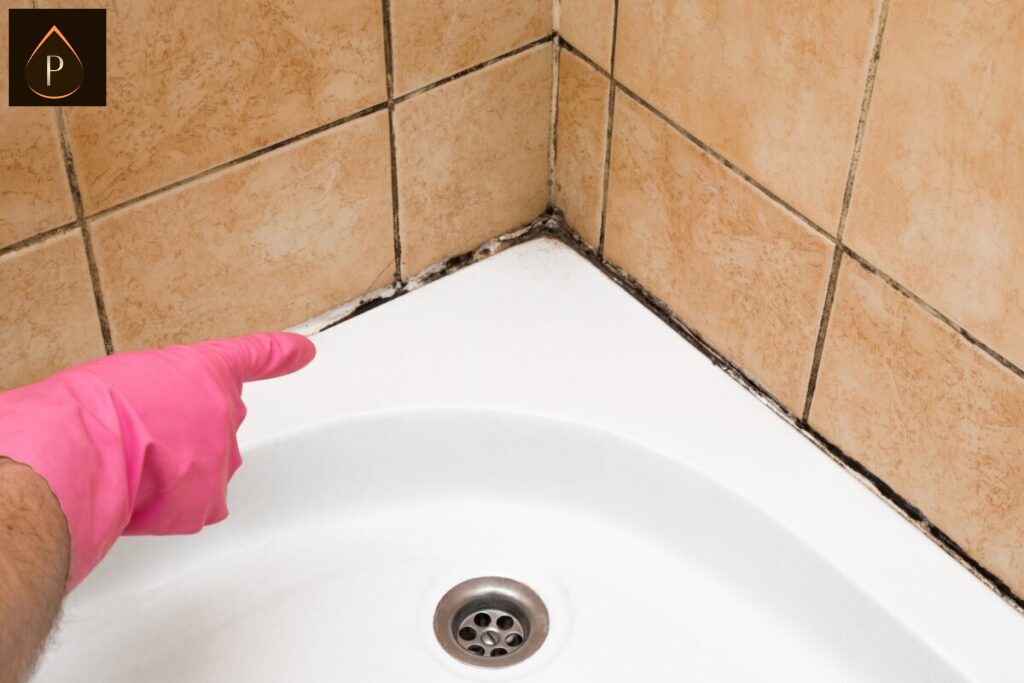
Bathrooms create perfect mould conditions because warm steam meets cold surfaces and then lingers on ceilings, tiles and grout. Poor or missing ventilation means this moisture cannot escape quickly, so walls and ceilings stay damp after every bath or shower. Over time, small specks of mould on ceilings, tile joints and silicone sealant can spread into stubborn black patches that are hard to clean.
South Wales homes in Cardiff, Newport, Swansea and the Valleys feel this even more because of the naturally damp climate and older building stock. Cold external walls, uninsulated ceilings and busy family bathrooms all combine to keep surfaces wet for longer. As a result, many properties see recurring bathroom mould, even after regular scrubbing with shop‑bought cleaners.
PRBG Environmental provides local expert mould remediation, damp proofing and condensation control across Cardiff, Newport, Swansea and surrounding areas. The team focuses on eliminating the root cause of bathroom mould, not just wiping away visible marks.
Is Bathroom Mould Just Cosmetic, or a Health Risk?
Light surface mould usually appears as small, flat patches on tiles, grout or paint and often cleans away quite easily. Deep black mould looks thicker or slimy, can sit in porous grout, plaster or silicone and often returns quickly after basic cleaning. In small, steamy bathrooms, mould spores from both types can enter the air and irritate noses, eyes, skin and lungs, especially for people with asthma, allergies or other breathing problems.
DIY cleaning is usually fine when mould covers a small area on non‑porous surfaces like tiles or glass, no one has serious respiratory issues and there is no sign of leaks or structural damp. However, professional mould remediation becomes safer and more effective when black mould covers larger areas, affects ceilings or plasterboard, keeps coming back, or appears after water damage, leaks or heavy condensation. In those situations, expert support helps protect both your health and your bathroom finishes.
Before You Start: Safety and Preparation in the Bathroom
Personal protection comes first during bathroom mould removal. Wear rubber gloves, a snug mask or respirator, safety goggles and old clothes that cover your arms and legs. Good ventilation is vital, so open windows, switch on the extractor fan if it vents outside and keep the door slightly open where safe. This helps reduce chemical fumes and moves mould spores out of the room instead of deeper into your home.
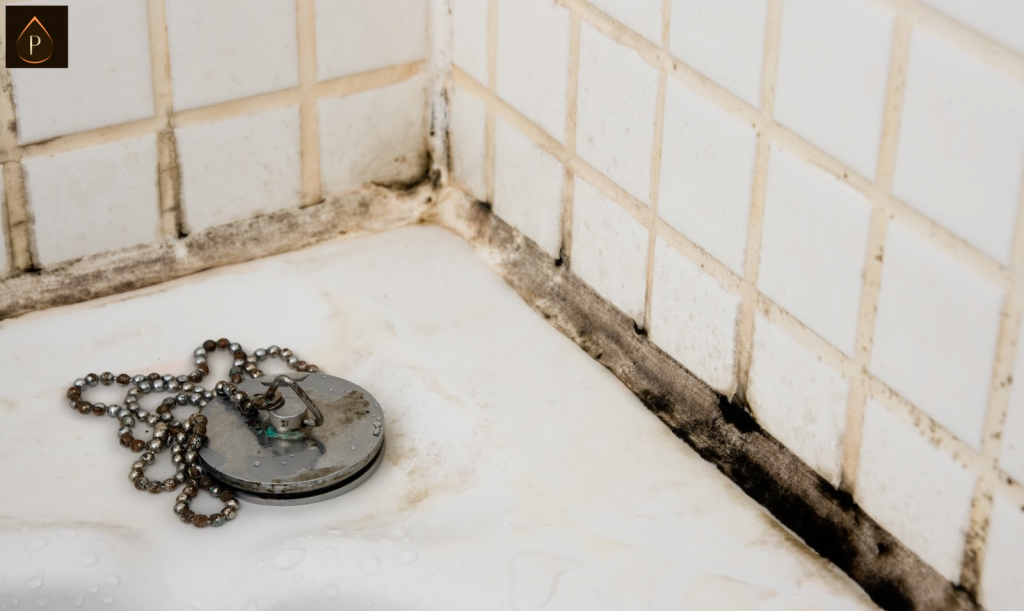
Next, protect your bathroom surfaces before you spray or scrub. Cover baths, shower trays, countertops and floors with plastic sheets or old dust sheets so cleaners do not mark or dull finishes. Take extra care around light fittings, extractor fans and switches; avoid spraying products directly onto electrics or into vents. Finally, always test any new cleaner on a small, hidden patch of paint, grout or sealant first to check for colour changes or softening.
How to Remove Bathroom Mould from Ceilings
Identify the cause: condensation or leak?
Condensation mould usually appears as scattered grey or black spots where steam collects, often above showers or on cold external ceilings. The ceiling often feels dry to the touch apart from shower times, and you may not see brown water marks. Leak‑related mould often sits with yellow or brown stains, bubbling paint or a clearly damp patch, sometimes in a defined area or along joints. If you suspect a roof, plumbing or tile leak, or see heavy staining, it is safer to arrange a professional inspection instead of repeating DIY cleaning.
Step‑by‑step ceiling cleaning
Most guides to “How do I remove mould from my bathroom ceiling?” recommend a simple, careful process. First, mix a solution: either one part bleach to three parts water, a ready‑made bathroom mould remover, or undiluted white vinegar as a natural option. Next, standing safely on a stable step‑ladder, apply the solution to the mouldy area and slightly beyond, then leave it to dwell for ten to thirty minutes. Afterwards, gently scrub with a soft brush or sponge, rinse with clean water if required and dry the ceiling thoroughly with towels, ventilation and time.
When ceiling mould means you should call a specialist
Certain ceiling mould situations need expert help rather than more cleaning. Large black patches, mould spreading across several ceiling sections, sagging or stained plasterboard or mould creeping into nearby rooms are key red flags. Recurring mould that returns quickly after proper cleaning, or any ceiling mould combined with leaks or strong musty odours, also points to a deeper problem. In South Wales, these cases are better handled through “professional mould removal Cardiff” or wider “mold removal services near me” searches, with PRBG Environmental providing surveys and safe remediation across the region.
How to Remove Mould from Bathroom Tiles and Grout
Cleaning mould on glazed tiles
Glazed bathroom tiles are less porous, so surface mould usually sits on soap scum rather than deep inside the tile. For light growth, a bathroom mould remover spray or a mix of mild detergent and warm water often works well. Spray or wipe the cleaner onto the tiles, leave it for a few minutes, then gently scrub and rinse. Avoid very abrasive pads or metal scourers because these can scratch glossy tiles and chrome fittings, making future cleaning harder.
Tackling mould in grout lines
Grout is porous, so it absorbs water and traps moisture, which makes it an excellent breeding ground for mould spores. Household methods like baking soda with hydrogen peroxide, borax paste or vinegar‑based solutions can loosen mould and lighten stains. Commercial grout mould removers and gels stick to vertical joints and often work faster on heavy black lines. Whichever method you choose, apply along the grout, leave it to dwell, scrub with a grout brush or old toothbrush, then rinse and dry thoroughly.
When stained grout needs more than cleaning
Sometimes, even strong cleaners cannot fully restore grout. If joints stay dark, crumbly, cracked or missing in places, water can seep behind tiles and cause deeper damp or mould problems. In these cases, regrouting or specialist treatment is safer than endless scrubbing because it protects both the surface and the wall behind. South Wales bathrooms with persistent grout mould or damp patches benefit from PRBG Environmental surveys and remediation, which address both the damaged grout and the underlying moisture or ventilation issues.
How to Remove Bathroom Mould from Silicone Sealant
Why mould loves silicone around baths, showers and sinks
Silicone feels smooth, but its slightly textured surface traps soap scum, shampoo, skin oils and tiny dirt particles. These organic residues sit on a constantly damp edge, creating food and moisture for mould spores. Warm bathroom air, poor ventilation and frequent splashes then help black mould colonise the joint. Problem areas usually appear around baths, shower trays, basins and between tiles and sanitaryware where water regularly sits or runs.
DIY methods for mouldy bathroom sealant
Natural options work best on early or lighter mould. You can spray white vinegar onto the sealant, let it sit, then follow with a bicarbonate of soda paste and gentle scrubbing using an old toothbrush. For stronger growth, many people use diluted bleach on kitchen towel or a specialist sealant mould remover gel laid carefully along the bead. While these products work, protect nearby acrylic baths, chrome fittings and painted surfaces with tape or plastic so they are not discoloured.
When to replace mould‑stained silicone
Sometimes mould penetrates deeply or the silicone itself begins to fail. If the sealant stays black after cleaning, looks cracked, loose, shrunken or pulls away from the surface, it is usually time to cut it out and re‑seal. Fresh, properly applied mould‑resistant silicone gives a better long‑term result than endlessly bleaching old, damaged sealant. Professional mould removal specialists such as PRBG Environmental can remove contaminated silicone, treat surrounding mould and re‑seal with mould‑resistant products as part of wider bathroom remediation in South Wales homes.
Natural vs Chemical Bathroom Mould Removers: What Works Best?
Natural cleaners such as white vinegar, hydrogen peroxide and baking soda can work very well on early bathroom mould. Vinegar helps kill many mould species, hydrogen peroxide lightens stains on tiles and grout, and baking soda adds gentle scrubbing and odour control. These options are affordable, widely available and kinder to indoor air, so they suit small patches on ceilings, tiles or silicone.
However, natural methods usually need more contact time and effort, and they often struggle with thick, established black mould in damp bathrooms. Commercial bathroom mould and mildew removers, especially bleach‑based or fungicidal sprays and gels, act faster and penetrate better into grout and textured sealant. Therefore, natural solutions work best for light, early mould, while heavy or recurring growth in South Wales bathrooms normally needs stronger products or professional mould remediation to stay away.
Stopping Bathroom Mould from Coming Back
Ventilation and humidity control in UK bathrooms
Good ventilation is the most important defence against returning bathroom mould. Always run the extractor fan during showers and for at least fifteen to twenty minutes afterwards so steam leaves the room. Where possible, open a window after bathing and keep the door ajar once steam clears, so fresh air can flow through. In very damp bathrooms, timed fans, humidity‑sensing fans or whole‑home systems like PIV units offer better long‑term humidity control. PRBG Environmental designs condensation control and ventilation solutions for South Wales homes, helping Cardiff, Newport and Swansea properties stay drier between showers.
Heating, insulation and bathroom surfaces
Cold bridging and under‑heated bathrooms keep ceilings and external walls cold, which encourages condensation and mould growth. Gaps in insulation, exposed concrete beams or uninsulated corners can all create cold spots where moisture collects. Improving loft or wall insulation, using moisture‑resistant boards in problem areas and maintaining steady, gentle heating reduce these issues. Where appropriate, mould‑resistant paints or wall panels add extra protection on vulnerable ceilings and external walls.
Mould‑resistant sealants, grouts and coatings
Material choice also affects how easily bathrooms stay clean. Mould‑resistant silicone around baths, showers and basins, plus anti‑mould or epoxy grouts between tiles, can slow mould regrowth significantly. Specialist anti‑mould coatings and prevention paints on ceilings and upper walls help keep condensation areas cleaner for longer when combined with better ventilation. PRBG Environmental can recommend and apply suitable prevention coatings and materials as part of a survey or full bathroom remediation project in South Wales.
Local Bathroom Mould Removal & Surveys in Cardiff, Newport & Swansea
Cardiff and surrounding Valleys
Homeowners searching for mould removal specialists Cardiff or bathroom mould removal Cardiff often face stubborn ceiling and grout mould that keeps returning. PRBG Environmental provides tailored bathroom mould surveys and remediation for properties in Cardiff, Merthyr Tydfil, Rhondda Cynon Taf, Caerphilly and the Vale of Glamorgan, focusing on both cleaning and the underlying condensation or damp issues.
Newport, Blaenau Gwent, Torfaen and Monmouthshire
In Newport and nearby areas, many bathrooms suffer recurring black mould on ceilings, tiles and sealant, even after regular DIY cleaning. These problems match searches like black mould removal specialist Newport or mold removal services near me when local residents want a safer, longer‑term solution. PRBG Environmental supports residential and commercial bathrooms, including landlords and letting agents, with professional mould remediation and moisture control across Newport, Blaenau Gwent, Torfaen and Monmouthshire.
Swansea, Port Talbot, Neath and Bridgend
Along the Swansea and South West corridor, sea air, heavy rain and valley microclimates make bathroom mould more persistent on ceilings, walls and grout. Local searches for mould removal specialists Swansea or commercial mold remediation Swansea often come from coastal and valley bathrooms that never fully dry out between showers. PRBG Environmental brings regional experience to Swansea, Port Talbot, Neath and Bridgend, combining surveys, ventilation improvements and prevention coatings to help bathrooms stay cleaner for longer.
When to Choose Professional Mould Removal over DIY
Consider switching from DIY to professional mould removal if you notice any of these red flags in your bathroom:
- Widespread black mould patches on ceilings, tiles or sealant.
- Strong, persistent musty odours that do not disappear after cleaning.
- Mould that keeps returning quickly, even after using good cleaners.
- Visible leaks, water damage or damaged, sagging ceilings or plasterboard.
- Mould appearing in several rooms, or on external walls as well as the bathroom.
- Vulnerable occupants at home, such as children, older adults or anyone with asthma or other breathing issues.
These situations match the intent behind searches like professional mould removal and commercial mold remediation services in South Wales. PRBG Environmental provides expert mould remediation, bathroom treatment and moisture control for both homes and commercial properties across Cardiff, Newport, Swansea and surrounding areas, delivering safe, compliant methods instead of short‑term surface fixes.
Call PRBG Environmental for professional mould surveys and remediation in South Wales on +44 7813 717687.
How do I get rid of mould in the bathroom?
How do I remove mould from a bathroom ceiling?
How do I remove mould from bathroom tiles and walls?
How do I remove mould from bathroom grout?
How do I remove mould from bathroom sealant?
How to remove bathroom mould without damaging the sealant?
