
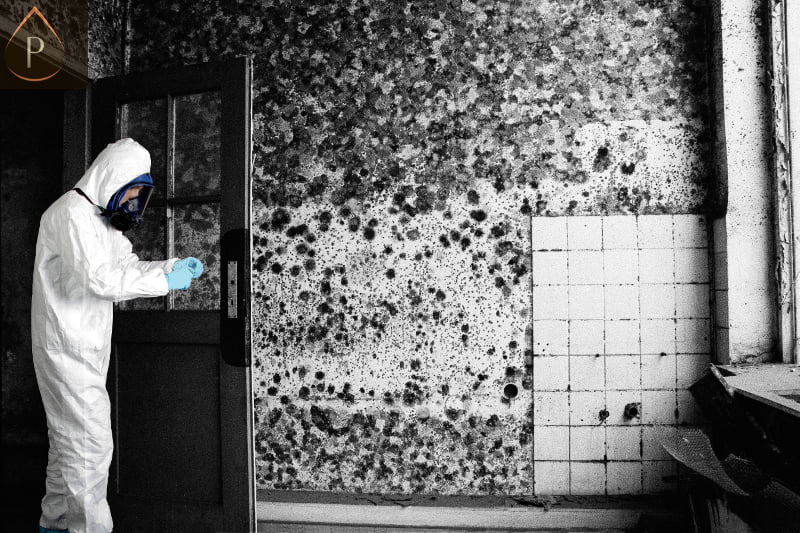
Black mould, or Stachybotrys chartarum, grows where humidity is high and ventilation is poor. These conditions are typical in older and rental properties across Cardiff, Merthyr Tydfil and Caerphilly.
Mould spores can trigger coughing, wheezing, allergies and asthma flare ups in adults and children. Over time, it also stains plaster, peels paint and weakens wall surfaces.
Quick DIY sprays often clean only the surface and ignore the damp source behind the wall. That is why the same black patches keep returning after a few weeks.
PRBGE is a Pontypridd based mould removal specialist serving Cardiff, Newport, Swansea and wider South Wales. The team uses diagnostic equipment to find hidden moisture and design long term mould prevention plans for homes and businesses.
Identifying Black Mould on Pontypridd Walls
Black mould on Pontypridd walls is usually easy to spot once you know what to look for. Early checks save you from bigger damage and costly repairs later.
Black mould often appears as dark, fuzzy or slimy patches on cold external walls, corners and around windows. The colour can be deep black, very dark green or brown and may sit in clustered circular spots.
You will usually notice a strong, musty, earthy smell in the room, even before you see clear growth. The odour can feel like damp cardboard or wet clothes that never fully dry.
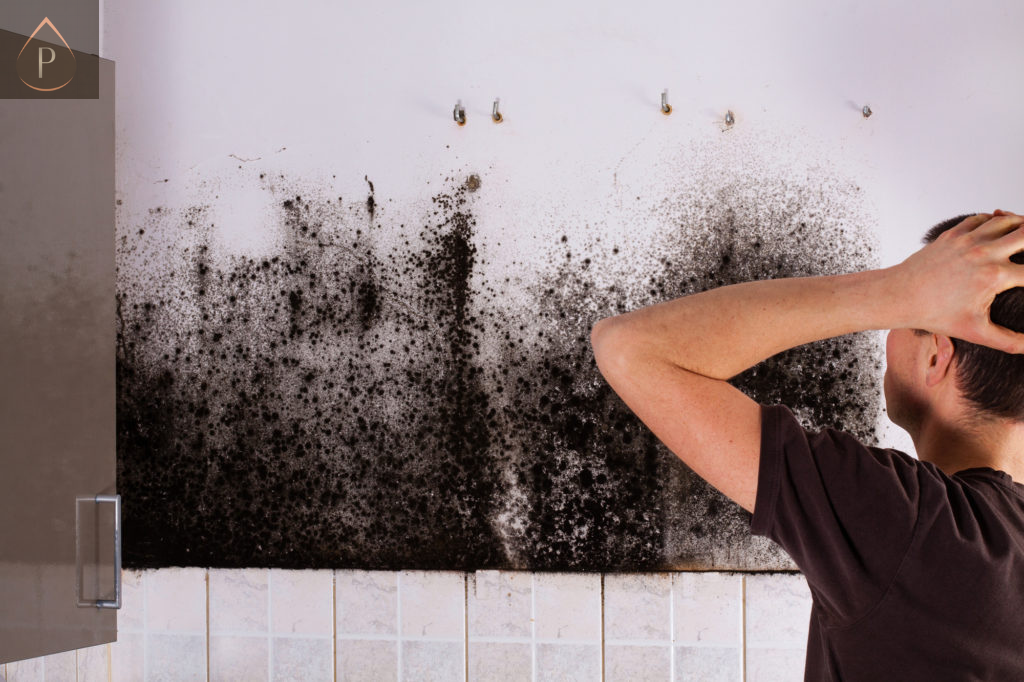
Look for signs of damp behind furniture, along skirting boards and on north facing walls in Pontypridd and Rhondda Cynon Taf homes. Common clues include discoloured plaster, peeling paint, bubbling wallpaper and persistent condensation on cold surfaces.
If you suspect hidden mould inside a wall, tap for soft spots, check for past leaks and consider a professional survey. PRBGE can use diagnostic tools to confirm mould behind plasterboard and trace the moisture source in South Wales properties.
DIY Black Mould Removal: Step-by-Step Guide
DIY black mould removal is only suitable for small, surface level patches on your walls. Always work safely and stop if you feel unwell or the affected area is large.
First, assess the size. If the mould covers less than a 3×3 foot patch and is on a hard surface, DIY can be fine.
Next, protect yourself. Wear gloves, an FFP2 or N95 style mask and goggles, and open windows for fresh air.
Then, prepare the area. Move furniture away, cover floors with plastic sheeting and keep doors closed to limit spore spread.
Now, apply a cleaning solution. Spray undiluted white vinegar or 3% hydrogen peroxide directly on the black mould and leave it for at least 15 minutes.
Gently scrub the wall using a soft or medium brush until the visible mould lifts. Wipe away residue with a clean, damp cloth and avoid harsh scraping that can damage plaster.
Finally, rinse and dry the area fully. Use a dry cloth, fans or a dehumidifier so the wall surface becomes completely dry after cleaning.
If the mould keeps returning, covers a large area or is growing on soft plasterboard, stop DIY. At that point, calling a professional mould remediation specialist like PRBGE in South Wales is the safer and longer lasting option.
Professional Mould Removal: Why Experts Excel
Professional mould removal goes beyond cleaning what you can see on the surface. Experts focus on safety, hidden moisture and long term prevention, which DIY methods often miss.
Certified mould remediation teams use specialist tools like moisture meters, thermal cameras and air testing to find the true source of the problem. They can detect hidden mould in wall cavities, behind plasterboard and around leaks, which is vital for homes and businesses in Pontypridd and wider South Wales.
During treatment, professionals set up containment barriers and use HEPA air filtration to stop spores spreading through your property. They combine HEPA vacuuming with approved biocidal cleaners, following strict industry standards to protect both occupants and building structure.
Another key advantage is prevention. Experts do not just remove mould, they address the underlying moisture issues so it is far less likely to return.
PRBGE specialises in this diagnostic led approach for homes, landlords and commercial sites across Pontypridd, Cardiff, Caerphilly, Newport, Swansea and the wider South Wales region. The team uses advanced equipment and tailored prevention plans to deliver results that last, not quick spray and wipe fixes.
DIY vs Pro: When to Call PRBGE , the Mould Specialists
DIY mould removal has its place, but some situations in Pontypridd and South Wales clearly need a specialist. Knowing the difference protects both your health and your property.
DIY is usually fine when the mould patch is small, under about 10 square feet, and sits on a hard, non porous surface. There should be no strong musty smell in other rooms and no one in the home with asthma, allergies or a weak immune system.
You should call Pontypridd mould specialists if the mould covers a large area, keeps coming back or you suspect it inside walls or ceilings. Professional help is also vital if you notice strong odours, past leaks, or anyone in the home has breathing problems or frequent chest infections.
DIY attempts can spread spores, hide bigger issues and delay proper treatment, especially in older South Wales housing. In many cases, what looks like a “simple clean” turns into ongoing staining, damaged plaster and rising health concerns.
PRBGE gives you a clear line in the sand. If your Pontypridd, Cardiff, Caerphilly, Newport or Swansea property shows recurring mould, wide patches or hidden damp, their specialist team can survey, contain and treat the problem safely and thoroughly.
Prevention Tips for South Wales Properties
Mould prevention in South Wales starts with one simple rule: control moisture in your home every day. Small lifestyle changes and basic maintenance can stop many black mould problems before they start.
First, reduce indoor moisture. Use extractor fans or open windows when cooking, showering and drying clothes, and keep kitchen and bathroom doors closed while steam is present. Avoid drying laundry on radiators in bedrooms and living rooms, especially during damp South Wales winters.
Next, improve ventilation and airflow. Open trickle vents, crack windows for short periods and keep furniture a little away from cold external walls in Pontypridd and Rhondda Cynon Taf homes. A small dehumidifier can also help keep humidity below about 60%, which makes mould growth far less likely.
Finally, maintain the building fabric. Check gutters, roofs, sealant and pipework regularly so leaks and penetrating damp do not feed hidden mould behind walls. If you keep seeing condensation and patches despite these steps, PRBGE can survey your South Wales property and design a tailored long term prevention plan.
Why Choose PRBGE for Black Mould Removal
PRBGE is not just a cleaning company; it is a specialist mould remediation and prevention service built around science, diagnostics and long term results. For homes and businesses across Pontypridd and South Wales, that means safer air, healthier walls and fewer repeat problems.
Unlike basic “spray and wipe” services, PRBGE uses advanced diagnostic equipment to find the real source of mould, including condensation, leaks and structural damp. The team then designs a treatment and prevention plan tailored to your property in Cardiff, Rhondda, Merthyr, Caerphilly, Newport, Swansea, Bridgend and the Vale of Glamorgan.
Every project focuses on permanent protection, not quick cosmetic fixes. PRBGE combines professional biocidal treatments, moisture control strategies and clear, honest advice so you understand exactly what is causing the mould and how they will stop it returning.
PRBGE also works closely with homeowners, landlords, tenants, housing associations and commercial property owners, so the service fits real world budgets and occupancy needs. With strong local reviews and repeat clients across South Wales, the brand has become a trusted name for black mould removal and moisture control.
