
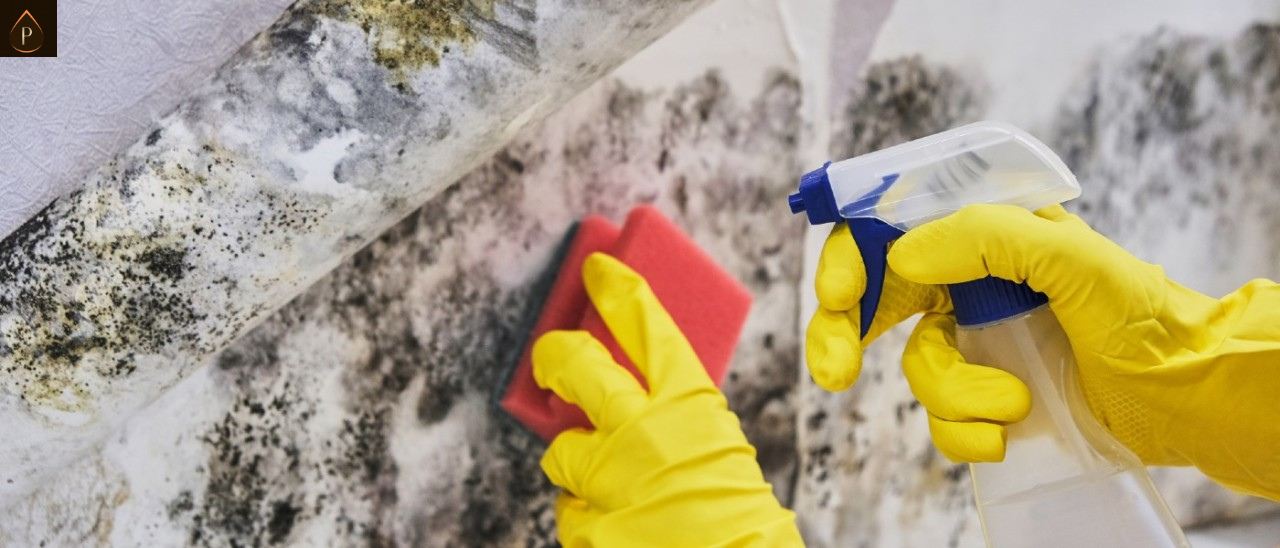
How to Stop Mould Coming Back After a Professional Clean
You’ve just paid for professional mould removal. Within weeks, black spots reappear on your walls. This frustrating cycle affects thousands of UK homeowners every year.
The problem isn’t the cleaning itself. Most professional treatments effectively remove visible mould. The real issue lies deeper—unaddressed moisture sources that feed mould regrowth.
This guide reveals proven strategies to prevent mould from returning. You’ll learn how to identify moisture problems, control humidity, and maintain a mould-free home. PRBGE has helped hundreds of South Wales homeowners break this cycle using science-based prevention methods.
Let’s explore why mould keeps coming back and how to stop it permanently.
Why Does Mould Keep Coming Back After Professional Cleaning?
Surface Treatment vs. Root Cause Resolution
Professional cleaning removes mould you can see. However, cleaning alone won’t solve your problem. Mould spores exist everywhere in nature. They only grow when moisture is present.
Think of it like treating a fever without curing the infection. The symptoms disappear temporarily, but the underlying cause remains. Without addressing moisture sources, spores reactivate within 24 to 48 hours.
PRBGE’s approach differs from basic cleaning services. We use diagnostic equipment to identify hidden moisture before, during, and after treatment. This ensures we eliminate the root cause, not just the symptoms.
Common Moisture Sources That Cause Mould Regrowth
Condensation ranks as the most common culprit in UK homes. Warm, moist air hits cold surfaces like windows and external walls. This creates perfect conditions for mould growth, especially during winter months.
Rising damp occurs when groundwater seeps through walls without proper damp-proof barriers. You’ll notice tide marks on walls and peeling paint near floor level.
Penetrating damp comes from external sources. Leaking roofs, damaged gutters, cracked walls, and faulty window seals allow rainwater inside. Wales’ high rainfall makes this particularly problematic in Pontypridd and surrounding valleys.
Plumbing leaks often hide behind walls or under floors. These create persistent moisture that feeds continuous mould growth. Poor ventilation traps humid air indoors, preventing moisture from escaping naturally.
Hidden Moisture Problems Professional Assessments Uncover
Some moisture issues aren’t visible to the naked eye. Thermal imaging cameras reveal cold spots where condensation forms. These areas show temperature differences that indicate insulation problems or air leaks.
Moisture meters measure exact water content in walls and floors. Professional surveyors can pinpoint problem areas before mould appears. This diagnostic approach prevents future growth rather than just treating current outbreaks.
PRBGE conducts comprehensive moisture surveys across South Wales properties. We map your home’s moisture profile and identify every source contributing to mould growth.
The 5-Step Strategy to Prevent Mould From Returning
Step 1 – Fix the Moisture Source Immediately
You cannot prevent mould without eliminating moisture first. This step is non-negotiable. Inspect your roof for damaged tiles, missing slates, or worn flashing. Welsh weather quickly exploits these vulnerabilities.
Check gutters and downpipes for blockages or cracks. Clean them before autumn leaves accumulate. Ensure gutters slope correctly toward downpipes without sagging sections.
Examine window seals and door frames for gaps. Replace damaged caulking around frames. Fix any plumbing leaks in bathrooms, kitchens, and utility rooms immediately.
Address rising damp with proper damp-proof courses. This requires professional installation but provides long-term protection. PRBGE’s moisture assessments identify which repairs your property needs most urgently.
Step 2 – Improve Home Ventilation Throughout Your Property
Proper ventilation removes moisture-laden air before condensation forms. Install or upgrade extractor fans in bathrooms and kitchens. Run them for at least 20 minutes after showering or cooking.
Open trickle vents in windows daily, even during winter. Modern double-glazed windows include these small vents at the top. They allow controlled airflow without creating drafts.
Consider Positive Input Ventilation (PIV) systems for whole-home airflow. These units draw fresh air into your property, pushing stale, humid air out through natural gaps. PIV systems work particularly well in Welsh homes prone to condensation.
Keep furniture at least 10 centimeters away from external walls. This gap allows air to circulate behind wardrobes and sofas. Blocked airflow creates damp spots perfect for mould growth.
Open windows for 5 to 10 minutes each morning. This quick ventilation burst releases overnight moisture buildup. Fresh air circulation costs nothing but prevents thousands in mould damage.
PRBGE installs professional ventilation systems across Pontypridd, Cardiff, and surrounding areas. We design solutions specific to your property’s layout and moisture challenges.
Step 3 – Control Indoor Humidity Levels
Maintain indoor humidity between 30% and 50%. This range prevents mould growth while keeping air comfortable. Purchase an inexpensive hygrometer to monitor levels in problem rooms.
Use dehumidifiers in high-risk areas like bathrooms, basements, and bedrooms. Empty collection tanks daily and clean filters monthly. Modern dehumidifiers automatically maintain target humidity levels.
Avoid drying clothes indoors without adequate ventilation. Wet laundry releases massive amounts of moisture into your home. If you must dry indoors, open windows or use a dehumidifier simultaneously.
Cover pots when cooking and use extractor fans. Boiling water produces steam that condenses on cold surfaces. Simple kitchen habits make significant differences in overall humidity.
Monitor humidity levels seasonally. Winter heating and summer humidity require different approaches. Adjust dehumidifier settings as weather changes throughout the year.
Step 4 – Apply Professional Mould Prevention Treatments
Long-lasting biocidal treatments kill mould spores and prevent regrowth for months. Professional-grade products penetrate surfaces deeper than supermarket alternatives. These treatments provide 6 to 12 months of protection.
Anti-mould paints and primers create hostile surfaces for spore attachment. Apply these to problem areas after removing existing mould. Standard paint alone won’t prevent regrowth.
PRBGE uses certified biocidal treatments following industry safety standards. Our protective coatings complement moisture control measures for comprehensive prevention.
Avoid cheap, temporary solutions that waste money without delivering results. Professional treatments cost more initially but save thousands in repeated cleaning expenses.
Step 5 – Establish Regular Maintenance and Monitoring Habits
Prevention requires ongoing vigilance, not one-time fixes. Conduct seasonal property inspections focusing on gutters, roofs, and seals. Catch small problems before they become expensive disasters.
Check high-risk areas monthly. Inspect bathroom corners, window frames, and external wall surfaces. Early detection allows quick treatment before widespread growth.
Schedule annual professional moisture surveys. Expert assessments identify developing issues invisible to homeowners. Prevention costs far less than remediation.
Clean and maintain HVAC systems regularly. Dirty filters reduce ventilation efficiency and can harbor mould spores. Replace filters according to manufacturer recommendations.
Wipe down condensation on windows and walls promptly. Don’t let moisture sit on surfaces. This simple daily habit prevents most condensation-related mould.
Location-Specific Mould Prevention for UK Homes
Why Welsh and UK Homes Are Particularly Vulnerable
Wales experiences some of the UK’s highest annual rainfall. Pontypridd and the surrounding valleys face persistent damp challenges. Properties in these areas need robust moisture management strategies.
Older housing stock often lacks modern insulation and ventilation. Victorian and pre-war homes weren’t designed for today’s airtight, energy-efficient standards. This creates condensation problems unknown to previous generations.
Cold external walls meet warm, humid indoor air during heating season. This temperature difference causes condensation on internal wall surfaces. Single-glazed windows and solid walls amplify this effect.
Regional climate patterns in South Wales create year-round moisture challenges. Solutions that work in drier regions may prove inadequate here. Local expertise matters when designing prevention strategies.
Climate-Appropriate Prevention Strategies for UK Properties
Insulation upgrades prevent cold spots where condensation forms. Modern cavity wall insulation and loft insulation maintain consistent internal temperatures. This reduces condensation risk significantly.
Double glazing eliminates single-pane windows’ cold surfaces. Maintain window seals properly to preserve their effectiveness. Replace failed units showing internal condensation between panes.
Adequate heating during winter prevents condensation even in cold weather. Maintain consistent temperatures rather than allowing properties to cool completely. Sporadic heating actually increases condensation problems.
PRBGE serves Pontypridd, Cardiff, Caerphilly, Rhondda, Merthyr, and surrounding valleys. We understand South Wales’ specific moisture challenges and design solutions accordingly.
Professional vs. DIY Mould Prevention – What Works?
Why DIY Methods Often Fail
Bleach and vinegar kill surface mould temporarily. However, they cannot address underlying moisture or hidden growth. These household products also pose health risks when used improperly.
DIY cleaning cannot access moisture within wall cavities or under floors. You’ll treat visible symptoms while hidden mould continues spreading. This explains why regrowth happens so quickly.
Improper mould handling spreads spores throughout your property. Without containment measures, cleaning actually worsens contamination. Professional protocols prevent this cross-contamination.
Temporary results lead to repeated cleaning cycles. Homeowners waste money on products that don’t solve root causes. This false economy costs more than professional treatment.
What Professional Mould Remediation Includes
Comprehensive moisture detection maps your property’s problem areas. Professionals use thermal imaging and moisture meters for accurate diagnosis. This scientific approach eliminates guesswork.
Safe mould removal follows industry standards and health guidelines. Proper containment prevents spore spread during cleaning. Professional equipment handles large or hazardous growth safely.
Root cause identification distinguishes professionals from basic cleaning services. We find why mould grows, not just where it appears. Remediation addresses causes, ensuring permanent solutions.
Post-treatment prevention strategies protect your investment. PRBGE doesn’t just clean and leave. We implement moisture control measures preventing future growth.
When to Call a Professional Mould Specialist
Contact professionals when mould returns within weeks of cleaning. Recurring growth indicates underlying problems requiring expert diagnosis. DIY methods won’t break this cycle.
Call specialists when mould covers areas larger than one square meter. Extensive growth may indicate serious moisture problems. Large areas also pose greater health risks during removal.
Seek professional help for structural damp or persistent condensation. These issues require diagnosis and repairs beyond typical homeowner capabilities. Early professional intervention prevents property damage.
Contact specialists if experiencing respiratory issues or allergies. Mould exposure causes or worsens various health conditions. Professional removal protects your family’s wellbeing.
Common Mistakes That Let Mould Return
Painting or Sealing Over Active Mould
Never paint over existing mould hoping to hide it. This traps moisture beneath the surface, making problems worse. Mould continues growing under paint, eventually breaking through.
Remove all mould completely before any redecoration. Treat surfaces with appropriate biocidal products. Allow surfaces to dry thoroughly before applying new paint.
Ignoring Ventilation After Mould Removal
Some homeowners assume professional cleaning “fixes” their mould problem permanently. Without ongoing ventilation, moisture accumulates again. The same conditions that caused initial growth remain present.
Run extractor fans consistently during and after activities generating moisture. This simple habit prevents most bathroom and kitchen mould. Consistency matters more than occasional use.
Failing to Monitor Humidity Levels
Relying only on visible signs misses developing problems. Humidity creates conditions for growth before you see mould appear. Regular monitoring allows preventive action.
Seasonal changes require different humidity management approaches. Winter condensation and summer dampness need adjusted strategies. Set calendar reminders for quarterly humidity checks.
Not Addressing All Moisture Sources
Fixing one leak while ignoring others provides incomplete solutions. Multiple moisture sources often exist simultaneously. Comprehensive assessment identifies every contributing factor.
Treating symptoms in one room while ignoring whole-house issues proves ineffective. Moisture migrates through properties. Effective prevention requires property-wide strategies, not spot treatments.
Expert Answers to Common Questions
How Long Does It Take for Mould to Come Back After Cleaning?
Without addressing moisture, mould can return within 24 to 48 hours. Spores activate incredibly quickly when conditions support growth. This explains frustrating rapid regrowth.
With proper moisture control, mould may never return. Effective prevention creates environments hostile to mould growth. Some properties remain mould-free for years after professional treatment.
Success depends on comprehensive approaches, not just surface cleaning. Prevention matters more than removal. Focus your efforts on eliminating moisture rather than repeatedly cleaning mould.
Does Mould Come Back After Professional Removal?
Professional removal fails only when moisture sources remain unaddressed. Quality services include both removal and prevention measures. PRBGE guarantees our work because we eliminate causes, not just symptoms.
Treatment effectiveness depends on comprehensive approaches. Cleaning alone provides temporary relief. Combined moisture control, ventilation, and monitoring deliver permanent results.
Can You Permanently Stop Mould?
Yes, permanent prevention is absolutely achievable with proper measures. Combining repairs, ventilation, humidity control, and maintenance eliminates mould permanently. Thousands of UK homeowners maintain mould-free properties successfully.
Prevention requires ongoing vigilance rather than one-time fixes. Develop consistent habits monitoring and controlling moisture. This lifestyle approach prevents future problems.
Is Mould Covered by Home Insurance in the UK?
Coverage depends on what caused the mould. Sudden damage from burst pipes typically receives coverage. Gradual problems from condensation or neglect usually don’t qualify.
Professional documentation strengthens insurance claims significantly. Expert reports establish timelines and causes. Contact PRBGE for proper documentation supporting potential claims.
Lifestyle Changes That Prevent Mould Regrowth
Daily Habits for Mould-Free Homes
Open windows for 10 to 15 minutes after showering. This releases moisture before condensation forms. Morning bathroom ventilation prevents most shower-related mould.
Use extractor fans when cooking and bathing. Don’t rely on windows alone during cold weather. Mechanical ventilation works regardless of outdoor temperatures.
Wipe condensation from windows each morning. This takes seconds but prevents significant moisture accumulation. Keep a cloth near problem windows for easy daily use.
Keep internal doors open for airflow between rooms. Closed doors trap moisture in individual spaces. Whole-house air circulation distributes and dilutes humidity naturally.
Don’t overfill wardrobes or cupboards. Packed storage prevents air circulation around contents. Mould grows on clothes, shoes, and stored items without adequate airflow.
Seasonal Maintenance Checklist
Autumn: Clear gutters of leaves and debris before heavy rains. Inspect roofs for damage after summer. Test extractor fans ensuring they work before winter humidity.
Winter: Monitor condensation levels on windows and walls. Maintain consistent heating preventing extreme temperature fluctuations. Use dehumidifiers during prolonged damp periods.
Spring: Inspect for winter damage to roofs and walls. Check seals and caulking around windows and doors. Schedule professional surveys identifying any developing problems.
Summer: Deep clean high-risk areas while conditions allow thorough drying. Assess ventilation effectiveness during humid weather. Clean or replace extractor fan filters.
The PRBGE Approach: Long-Term Mould Prevention for South Wales Homes
Our 3-Step Prevention System
Advanced Diagnostics: We use moisture mapping, thermal imaging, and humidity assessments before recommending any treatment. This scientific approach identifies all moisture sources accurately.
Targeted Remediation: Safe mould removal combines with moisture source elimination. We don’t just clean visible mould. We fix why it’s growing in the first place.
Prevention Strategy: Custom ventilation solutions, protective coatings, and ongoing support keep your home mould-free. Our comprehensive approach addresses your property’s specific challenges.
Why South Wales Homeowners Trust PRBGE
Our certified specialists follow industry standards and safety protocols. We invest in professional training and equipment other companies skip. This commitment ensures quality results every time.
Scientific diagnostic approaches eliminate guesswork from mould treatment. We measure, document, and verify every aspect of your moisture problems. Data-driven solutions work better than assumptions.
We serve Pontypridd, Cardiff, Caerphilly, Rhondda, Merthyr, and surrounding areas. Local knowledge helps us understand regional moisture patterns. Our solutions work specifically for South Wales properties.
PRBGE focuses on permanent solutions, not temporary patches. We’d rather fix your problem once properly than repeatedly apply band-aids. This philosophy saves you money long-term.
Our expertise covers both residential and commercial properties. From small flats to large commercial buildings, we handle all moisture control challenges.
Our Service Coverage Across Wales
We serve Cardiff and Vale of Glamorgan with rapid response times. Newport, Blaenau Gwent, Torfaen, and Monmouthshire receive comprehensive coverage. Swansea, Port Talbot, Neath, and Bridgend properties benefit from our expertise.
Rhondda Cynon Taf and surrounding valleys present unique moisture challenges. We’ve helped hundreds of valley properties overcome persistent damp and mould issues. Our local presence means we understand your specific problems.
Protect Your Welsh Home From Recurring Mould
Mould prevention requires addressing moisture sources, not just cleaning symptoms. Understanding this fundamental principle changes everything. The strategies outlined above work when applied consistently and comprehensively.
Professional assessment identifies problems you cannot see yourself. Hidden moisture causes recurring mould despite your best DIY efforts. Expert diagnosis saves time, money, and frustration.
Contact PRBGE today for comprehensive moisture surveys and long-term mould prevention across South Wales. Our team brings scientific expertise to every property we assess. We serve Pontypridd, Cardiff, and the surrounding valleys with proven solutions.
Don’t wait for mould to return after your next professional cleaning. Implement proper moisture control and prevention strategies now. Your home’s protection and your family’s health depend on effective, permanent solutions.
Protect your health. Protect your property. Stop mould permanently with PRBGE Environmental.
