
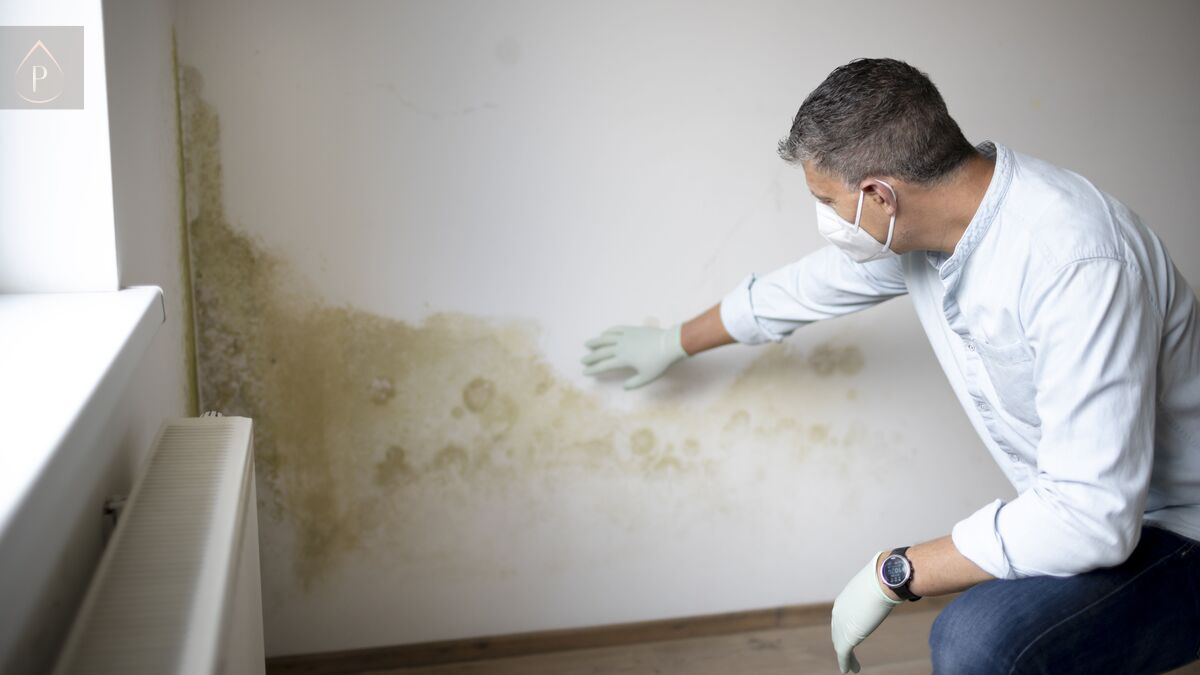
Mould is a serious problem for many homes in South Wales, but most people repeat the same mistakes again and again.
This guide walks you through the ten biggest mould mistakes and shows you how to fix them with practical steps and expert local support from PRBGE.
Why mould mistakes cost South Wales homeowners
South Wales has a damp climate, older housing and plenty of solid walls that get cold and stay cold.
When warm air hits these cold surfaces, moisture condenses and creates the perfect conditions for mould to grow.
Many homeowners only treat the visible black spots and ignore the real cause, which is excess moisture and poor ventilation.
PRBGE, based in Pontypridd, helps homeowners and landlords across South Wales tackle that moisture at the source, not just the surface.
What mould, damp and condensation actually are
Mould is a living fungus that feeds on damp surfaces such as paint, plaster, wallpaper and even furniture.
Damp simply means unwanted moisture inside your home, either from leaks, rising damp or everyday activities that release water vapour.
Condensation happens when warm, moist air touches a colder surface such as windows, external walls or uninsulated corners.
This combination can damage your home and harm your health if you do not act quickly.
Government guidance confirms that damp and mould can trigger coughing, wheezing, asthma attacks and other serious breathing issues.
Children, older people and anyone with existing respiratory problems are more at risk from long term exposure.
That is why PRBGE focuses on thorough surveys, moisture readings and long term solutions rather than quick sprays and wipes.
Mistake 1: Ignoring early signs of mould and musty smells
Many South Wales homeowners wait until the mould patches are large and obvious before doing anything.
By that time, moisture may already have seeped behind paint, plaster and skirting boards.
Early warning signs include:
- Misty or wet windows most mornings
- Black dots on bathroom sealant or grout
- Musty smells in corners, cupboards or behind furniture
People often ask, “What are the first signs of mould in a house?”
These are exactly the clues that something is wrong with moisture control in your home.
If you spot them, do not wait.
PRBGE can carry out a local mould and damp survey in Pontypridd, Cardiff, Caerphilly, Rhondda and the surrounding valleys.
Mistake 2: Treating mould as a cleaning problem, not a moisture problem
Most people grab a cloth, spray some general cleaner and scrub the black patches until they fade.
That approach might make the wall look better, but it does not remove the moisture source that allowed mould to grow.
Within weeks, the stains often come back, sometimes worse than before, because the underlying damp never changed.
Homeowners also repaint over mouldy areas without dealing with condensation or leaks first.
Paint can briefly hide the marks, but mould grows again behind and through the new coating.
People often ask, “Can you just paint over mould?”
The honest answer is no, not if you want a lasting fix.
PRBGE starts with a full moisture and damp assessment, using meters and inspections to identify whether you face condensation, rising damp or penetrating damp.
Then the team creates a plan that tackles both the mould growth and the moisture source.
Mistake 3: Using bleach and harsh DIY cleaning products
Bleach is a common first choice because it seems strong and effective.
On hard, non porous surfaces it may remove staining, but on plaster, timber and grout it often leaves spores behind.
Scrubbing with the wrong products can even spread mould spores into the air and onto nearby surfaces.
Many people ask, “Does bleach kill mould permanently?”
It rarely gives a permanent solution on typical UK building materials.
PRBGE uses professional biocidal treatments and specialist cleaning methods that are designed for mould remediation.
These products target both visible mould and the hidden spores, while keeping residents and workers safe.
Mistake 4: Drying clothes indoors with poor ventilation
South Wales weather is wet and unpredictable, so many people dry clothes on radiators or airers in living rooms and bedrooms.
Wet laundry releases large amounts of moisture into indoor air, especially in small or poorly ventilated rooms.
That moisture then condenses on cold walls, windows and corners, feeding mould growth.
People often ask, “Does drying clothes indoors cause mould?”
If you do it often without good ventilation, the answer is yes.
Try to dry clothes outside when possible, or use a heated airer with a nearby window open and the door closed.
Dehumidifiers can also help capture moisture before it settles on walls.
PRBGE can recommend ventilation improvements that make daily routines safer for your home.
Mistake 5: Blocking vents, air bricks and trickle vents
Many people hate draughts and cold air, so they close or tape over vents, air bricks and trickle vents in windows.
This reduces fresh air flow and traps humid air inside your rooms.
Over time, that trapped humidity turns into condensation and mould on the coldest surfaces.
Homeowners often ask, “Should I block air vents to stop draughts?”
Blocking them usually creates bigger problems later, including damp and mould.
UK homes are designed to breathe.
They need controlled ventilation to remove moist air from cooking, bathing and breathing.
PRBGE can assess your existing vents and suggest upgrades such as trickle vents, air bricks and positive input ventilation units where needed.
Mistake 6: Not using kitchen and bathroom extractor fans properly
Kitchens and bathrooms create huge amounts of moisture in a short time.
Cooking, boiling water and long hot showers all fill the air with steam.
If that steam cannot escape, it lands on walls and ceilings, then turns into mould.
Many people have extractor fans but rarely use them, or turn them off as soon as they leave the room.
Fans clogged with dust also move less air and become noisy and ineffective.
People ask, “Do bathroom fans help with mould?”
They only help if you use them correctly and keep them in good condition.
Switch fans on before you start showering or cooking, and let them run for at least twenty minutes afterwards.
PRBGE can install modern fans with run on timers and humidity sensing, so they run long enough to clear moist air.
Mistake 7: Pushing furniture tight against cold external walls
Large wardrobes, beds and sofas often sit right up against cold external walls in small rooms.
Air cannot circulate behind these items, so moisture gets trapped and surfaces stay cool and damp.
This creates hidden mould patches that you only see when you move the furniture.
Many homeowners ask, “Why is there mould behind my wardrobe?”
The answer is usually a mix of poor air flow, cold walls and high humidity.
Leave a small gap between furniture and external walls to allow air to move.
Try to avoid overfilling wardrobes and cupboards as tightly packed items stop air from circulating.
PRBGE surveyors regularly point out these simple layout tweaks during mould and moisture assessments.
Mistake 8: Ignoring gutters, roofs and external defects
Not all mould comes from condensation alone.
Leaking gutters, blocked downpipes and missing roof tiles can allow water to soak into walls from outside.
In South Wales, heavy rain and strong winds make these problems more common, especially in older valley properties.
People often ask, “Can leaking gutters cause damp and mould?”
They definitely can, especially around external walls and chimney breasts.
Check your gutters and downpipes regularly, especially after storms.
Look for green staining, moss, cracks and overflowing sections when it rains.
PRBG Roofing and PRBGE work together on many homes, fixing roofs and defects and then dealing with internal mould safely.
Mistake 9: Assuming new build homes are mould proof
Many people think only old, draughty houses get mould.
New build homes in South Wales can also develop condensation and mould, sometimes faster than older homes.
Modern homes are very airtight, which saves energy but can trap moisture inside if ventilation is not designed or used correctly.
Owners often move in before building materials have fully dried, which adds even more moisture to the indoor air.
If extractors and vents are not used well, mould can appear in bedrooms, bathrooms and around windows within the first winter.
People sometimes ask, “Is mould common in new build homes?”
Sadly, it is not rare, especially in colder, wetter regions.
PRBGE helps new build owners with post completion surveys, ventilation advice and long term prevention coatings where needed.
Mistake 10: Not seeking professional help early – especially for rentals
Some problems keep returning despite cleaning, opening windows and using fans.
At that point, many people still delay calling a professional, hoping the issue will settle.
In rented homes, there is also confusion about who is responsible for damp and mould.
Government guidance makes it clear that landlords must take reports seriously and deal with issues promptly.
Tenants often ask, “Who is responsible for mould in a rental property UK?”
Usually, landlords must fix structural problems and serious damp, while tenants should follow sensible ventilation and heating advice.
PRBGE supports homeowners, landlords and letting agents with detailed reports, surveys and remedial work across Pontypridd and the wider South Wales region.
That gives everyone clear evidence of causes, risks and solutions.
Bonus mistake: Underestimating the health impact of indoor mould
Some people think mould is only a cosmetic issue, but health experts strongly disagree.
Damp and mould mainly affect the airways and lungs, and can also irritate eyes and skin.
Long term exposure links to more serious respiratory problems and can worsen asthma and allergies.
Families often normalise coughs, wheezing and sinus issues, without realising that mould may be part of the problem.
That is why government guidance now urges landlords and housing providers to take damp and mould complaints seriously and act quickly.
PRBGE’s survey first approach helps protect both your property and your family.
The team explains findings in plain language and gives practical recommendations that fit real homes and budgets.
How to fix these mould mistakes in your South Wales home
You can make a big difference with some simple daily changes.
Use kitchen and bathroom fans every time you cook or shower, and let them run afterwards so they clear moist air.
Open windows briefly on a latch to create regular air changes, even in winter when it is safe.
Move furniture slightly away from cold external walls to improve air circulation.
Next, tackle bigger issues.
Check gutters, downpipes and roofs for leaks, and repair any obvious defects.
Consider insulation and controlled ventilation upgrades, such as positive input ventilation units, especially in moisture heavy homes.
If mould keeps returning or covers a large area, it is time to book a professional survey.
PRBGE uses moisture meters, humidity logging and detailed inspections to identify the root cause.
You then receive a clear, step by step plan that covers safe mould removal and long term moisture control.
Why South Wales homeowners trust PRBGE
PRBGE is a specialist mould remediation and moisture control company based in Pontypridd.
The team protects homes and rentals from mould, condensation and damp across Cardiff, Caerphilly, Rhondda, Merthyr, Bridgend, Swansea, Newport and the surrounding valleys.
Every project starts with diagnosis, not guesswork.
Technicians use advanced tools to check walls, floors, ceilings, ventilation and insulation, then explain what is really driving the mould in your property.
Services include:
- Professional mould removal and cleaning
- Moisture and damp assessments
- Condensation and ventilation upgrades
- Long term prevention coatings and follow up support
PRBGE also partners with roofing specialists where roof or gutter defects contribute to damp and mould.
Protect your Pontypridd or South Wales home from mould for good
You do not need to live with black spots, musty smells and damp walls.
You can change daily habits, improve ventilation and fix defects to protect your home.
With PRBGE on your side, you also get expert surveys, safe mould removal and long term moisture control tailored to South Wales homes.
If you own a home or rental in Pontypridd or the wider valleys and keep battling mould, now is the time to act.
Book a PRBGE mould and damp survey, get clear answers and follow a practical plan that finally stops the problem coming back.
