
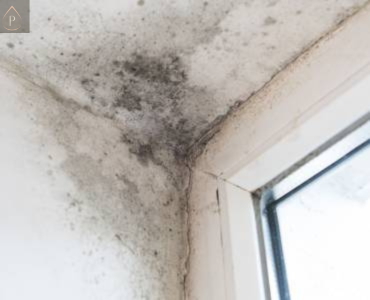
Black mould gathering in ceiling corners is a common problem in South Wales homes. It often appears first in bedrooms, bathrooms and loft rooms where air is still and surfaces stay cold. Those dark patches do not just spoil your paintwork. They also warn you that moisture and ventilation are not working properly.
You can often treat light ceiling‑corner mould yourself if you follow safe steps and fix the conditions that cause it. When mould keeps returning, or when you see damp patches and peeling paint, you need a deeper look at the building. PRBGE in Pontypridd helps homeowners and landlords across South Wales understand and solve these issues for good.
Why Mould Grows in Ceiling Corners in South Wales
Mould needs moisture, a cool surface and still air. Ceiling corners often provide all three.
Warm, moist air rises to the top of a room. When it hits a cold ceiling or external wall junction, it cools and releases water as condensation. Corners at the top of external walls and above windows are common cold spots, especially in older South Wales homes with patchy insulation.
Bedrooms and living rooms often suffer because people close doors and windows to keep heat in. Moist air from breathing, drying clothes and general living then has nowhere to go. Loft rooms and top‑floor bedrooms can be even worse. Sloping ceilings, chilly roof voids and gaps in insulation create very cold junctions where moisture settles.
Over time, mould spores land on these damp surfaces and start growing. The result is black or green patches in corners and along the edges where ceiling meets wall.
Is Mould on Ceiling Corners Dangerous?
Ceiling mould looks nasty, but the real concern is what you breathe.
Mould releases spores and tiny fragments into the air. These can irritate your nose, throat and lungs. People with asthma, allergies, respiratory problems or weaker immune systems are usually more affected. Symptoms can include coughing, wheezing, runny nose and sore eyes.
Ceiling‑corner mould in bedrooms and living rooms is particularly worrying. People sleep and relax under these surfaces for hours each day. Constant exposure in sleeping areas can aggravate asthma, especially in children.
Not all mould patches mean structural damp. Small, thin rings of mould in one or two corners may be mainly due to condensation. Widespread mould across several corners, along external walls or with damp patches, flaking paint and musty smells suggests deeper moisture problems.
If ceiling‑corner mould returns quickly after cleaning, or appears in many rooms, it is time to get professional help. PRBGE can then check whether you are dealing with condensation only, or whether there are leaks, insulation gaps or other damp sources.
Safety First: Preparing to Clean Mould from Ceiling Corners
Cleaning ceiling mould means working overhead, often on steps or a ladder. Safety and protection matter.
Always wear gloves, a suitable mask and eye protection. A cap or old hat helps keep flakes out of your hair. Open the window in the room to provide fresh air and reduce fumes. Cover furniture and flooring under the affected corner with sheets or plastic.
Before you start, look for signs of leaks. In bathrooms and top‑floor rooms, check above the mould patch for possible roof leaks, faulty flashing, cracked tiles or plumbing problems. If the area feels wet to the touch, or if you see clear signs of water damage, call in PRBGE or a suitable roofer before cosmetic cleaning.
Choose an appropriate cleaner. Many people use white vinegar solutions, commercial mould removers or carefully diluted bleach for tough staining. Never mix bleach with other products, especially those containing acids. Always test a small patch first to make sure the cleaner does not damage your paint or plaster.
Step‑by‑Step: How to Treat Mould on Ceiling Corners
Once you have prepared the room and yourself, you can treat the mould.
Step 1 – Apply Mould Remover or Cleaning Solution
Use a spray bottle, sponge or cloth to apply your chosen solution to the mouldy corner. Work carefully on a stable stepladder or platform. Make sure the surface is well covered but not dripping excessively.
Follow the product instructions or general guidance for vinegar or bleach solutions. Let the cleaner sit for the recommended time so it can penetrate and kill the mould. Avoid staying directly under the area while the solution is wet if you can.
Step 2 – Gently Scrub and Wipe Clean
Use a soft sponge or brush to gently scrub the treated area. The goal is to loosen mould from the surface without damaging the plaster or pulling off large chunks of paint.
Once the mould feels loose, wipe the area with a clean, damp cloth to remove residues. Rinse the cloth frequently and avoid spreading mould to clean areas. Then use a dry towel or cloth to pat the corner dry as much as possible.
Step 3 – Re‑Treat Stubborn Patches
Some staining or mould may remain after the first pass. You can repeat treatment on small, stubborn spots. For hard‑to‑shift marks, a second cleaner such as baking soda paste may help lift the stain without harsh scrubbing.
Remember that even when mould is dead, light staining may stay in the paint layer. You can deal with that later with primers and fresh paint. The key at this stage is to remove live growth.
Step 4 – Allow Full Drying and Monitor
After cleaning, let the area dry completely. Keep windows open if the weather allows, or use gentle heating and good airflow. A dehumidifier in the room can help speed drying and pull moisture from the air.
Check the treated corner over the next few weeks. If mould reappears quickly, even with better airing, you may have an ongoing condensation or damp source that needs more than DIY cleaning.
Repairing and Painting Ceiling Corners After Mould
Once the area is clean and dry, you can think about repairs and painting.
If the paint is sound, but lightly stained, a stain‑blocking or anti‑mould primer can hide marks and give better adhesion for new paint. Apply it according to instructions and let it dry fully.
For ceilings in bathrooms, kitchens and other damp rooms, choose a good quality mould‑resistant or moisture‑resistant ceiling paint. These products help resist new growth where light condensation remains. They cannot protect you from active leaks or heavy damp. You still need to fix those.
If paint is flaking badly or plaster is crumbling, you may need a deeper repair. Scrape back loose material, fill and smooth the surface, then prime and repaint. Repeated damage in the same spot suggests an unresolved moisture or insulation problem that PRBGE should investigate.
Preventing Mould Returning on Ceiling Corners in South Wales
Stopping mould from coming back means managing moisture, temperature and airflow.
Control indoor humidity first. Use extractor fans in kitchens and bathrooms every time you cook or shower, and leave them running for 15–20 minutes afterwards. Avoid drying clothes on radiators across the home where possible. When you must dry indoors, keep it to one room with a window open and door closed.
Short, sharp ventilation bursts help more than leaving a window slightly open all day in cold weather. Open windows wide for five to ten minutes a few times a day to clear moist air. Use a hygrometer and, if needed, a dehumidifier to keep humidity around 50–60 percent.
Improve airflow into corners. Keep internal doors open at least part of the day so air can move around. Do not press big wardrobes or cupboards into corners beneath affected areas. A small gap between furniture and walls reduces cold, damp spots.
Insulation and roof‑space improvements may also be needed. Gaps or thin insulation above ceilings create cold bridges where moisture condenses. Upgrading loft insulation, improving roof ventilation and fixing roof defects all help stabilise temperatures at ceiling level. PRBGE can advise whether these measures are needed as part of a wider moisture‑control plan.
Special Focus: Bathroom and Loft‑Room Ceiling Corners
Some rooms need extra attention because they are more prone to ceiling mould.
Bathroom ceiling corners often sit directly above showers and baths. Steam rises and hits the coldest points first, which are usually corners and edges. You should always run a suitable extractor fan, keep the bathroom door closed during showers and open the window slightly afterwards. Mould‑resistant bathroom paint and good silicone sealing help, but only when ventilation is adequate.
Loft rooms and top‑floor bedrooms face different challenges. Sloping ceilings, eaves and poorly ventilated roof spaces can create very cold corners. Persistent mould in these corners may indicate poor insulation, blocked roof vents or hidden roof leaks. DIY cleaning will not fix those issues. You need a proper inspection.
In rented homes, recurring ceiling‑corner mould often involves both tenant practices and building factors. Tenants may need guidance on heating and ventilation. Landlords must ensure the property has adequate ventilation, insulation and no untreated damp or leaks. PRBGE’s surveys help clarify responsibilities and provide a clear action plan.
When DIY Ceiling‑Corner Treatment Isn’t Enough
DIY methods are fine for light, occasional mould in one or two corners. They are not enough when mould is severe or keeps returning.
You should seek expert help if mould comes back within weeks despite better ventilation and sensible heating. You should also seek help if you see mould across several ceilings, along walls and in other damp areas, or if the ceiling shows signs of water damage and sagging.
PRBGE specialises in these situations. The team carries out detailed moisture and damp surveys across South Wales. They measure humidity, check for condensation patterns, look for signs of roof leaks, rising damp or penetrating damp, and assess ventilation and insulation.
Based on the survey, PRBGE designs a tailored plan. That might include safe mould remediation, ventilation upgrades, insulation improvements, roof or fabric repairs and longer‑term moisture‑control systems. This approach tackles the cause, not just the cosmetic problem.
When should I call PRBGE instead of cleaning again?
Call PRBGE if mould keeps returning, affects multiple rooms, or comes with damp patches, peeling paint or suspected leaks. A professional survey provides clear answers and long‑term solutions.
Ceiling‑corner mould in South Wales homes is more than a decorating issue. It tells you that moisture, ventilation or insulation need attention. Treating it safely, then fixing the cause, protects both your building and your health.
PRBGE is a specialist mould, condensation and damp company based in Pontypridd and serving Cardiff, Caerphilly, Rhondda, Merthyr, Bridgend, Swansea, Newport and the surrounding valleys. With survey‑led diagnosis, safe remediation and long‑term moisture control, PRBGE helps you deal with ceiling‑corner mould once and keep it away for future winters.
