
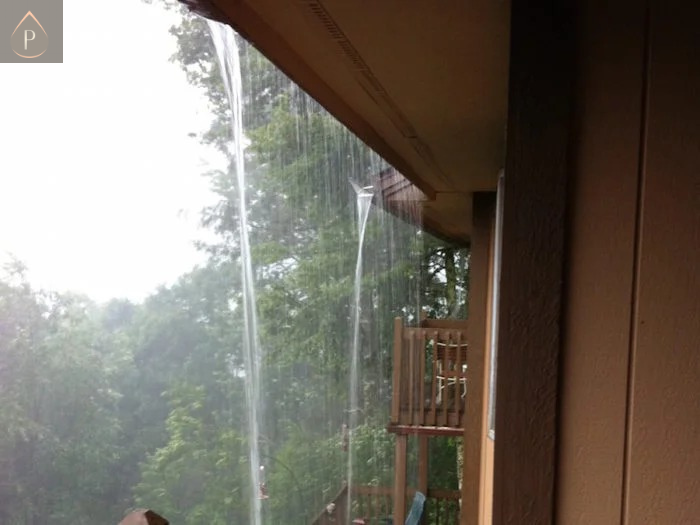
Heavy rain is part of life in South Wales, but your home should not feel wet for days after every storm.
If you notice damp patches, a persistent musty smell, or cold external walls after rain, your home is trying to tell you something.
Many homes in Pontypridd, Cardiff, Newport and the surrounding valleys are older properties.
They often have solid walls, tired render, ageing roofs and exposed locations.
Rainwater can find tiny weaknesses in pointing, brickwork, flashing and gutters, then slowly soak into the structure.
That trapped moisture appears as three main problems: penetrating damp, rising damp and condensation.
Penetrating damp usually follows rain and affects external walls, ceilings and chimneys.
Rising damp draws up from the ground where damp proof courses fail.
Condensation forms when warm, moist indoor air hits cold surfaces and cools rapidly.
Across the UK, damp and mould are now recognised as serious housing and health issues.
Councils and the UK government have warned that mould can no longer be treated as “just a bit of dirt on the wall.”
If you live in South Wales, dealing with the cause of damp after rain is not just about comfort, it is about protecting health.
PRBGE exists for exactly this challenge.
The team specialises in moisture control, damp surveys and mould remediation across Pontypridd and South Wales.
They focus on finding and fixing the root cause of damp, not just wiping away the visible mould.
The Link Between Rain, Damp and Mould
When it rains, your roof, gutters and external walls are under constant attack from wind‑driven water.
Even a small defect can let moisture creep into masonry, cavities, timber and plaster.
Common entry points include:
- Cracked or hollow render on exposed elevations
- Failed or missing pointing around bricks and stonework
- Blocked or leaking gutters and downpipes
- Loose roof tiles, damaged flashing or defective valleys
Once rainwater penetrates, it may not show immediately.
It can spread through walls and ceilings before appearing as stains, bubbling paint or wet patches.
Cold, damp surfaces then meet warm, humid indoor air from cooking, showers and everyday living.
Moisture from the air condenses on these cold areas, feeding mould spores that are already present in the environment.
That is why you often see mould on external walls, window reveals, corners and behind furniture.
A local specialist like PRBGE does not just treat the mould.
They use advanced tools, including moisture meters and thermal imaging, to understand exactly where the rainwater is entering and how it travels through the building.
This detailed moisture picture means solutions can be targeted and long‑lasting, rather than quick cover‑ups.
Is It Safe to Stay in a Damp or Mouldy Home?
UK health guidance is clear: damp and mould inside homes can affect your health.
They can trigger or worsen asthma, allergies and respiratory conditions.
Children, older people and anyone with existing breathing or immune problems are especially at risk.
A small patch of black mould around a window does not look serious.
However, it may be a sign that walls, cavities or loft spaces are becoming damp on a much wider scale.
The visible spot is often just the tip of the iceberg.
After a major leak or flood, mould can start growing within 24 to 72 hours if materials remain wet.
That is why insurers and professional drying companies move quickly to remove standing water and start controlled drying.
If you notice any of these signs, you should take them seriously:
- Worsening cough, wheeze or chest tightness at home
- Headaches or fatigue which improve when you are away
- Strong, musty smells that return after cleaning
In situations where health is a concern, a professional damp and mould inspection is the safest choice.
PRBGE carries out structured moisture and damp surveys in Pontypridd and across South Wales.
Their reports give clear explanations of what is happening, who may be at risk and what should happen next.
The First 24–48 Hours After the Rain: What You Should Do
The first two days after heavy rain or a leak make a huge difference to how your home recovers.
Drying quickly reduces damage and lowers the risk of mould growth.
Immediate steps to dry out your home
Here are safe, practical steps you can usually take yourself, depending on the situation.
- If water levels are high or sockets are affected, turn off electricity in that area if it is safe, and follow your supplier’s advice.
- Remove standing water with mops or a wet vacuum; the less water left, the faster materials dry.
- Open windows and trickle vents where it is safe, especially in kitchens, bathrooms and bedrooms.
- Keep internal doors open to allow air to move, unless a room is being dried with a dehumidifier.
- Move furniture and soft furnishings away from damp walls and off wet carpets to improve airflow.
- Wipe away condensation on windows, sills and hard surfaces to remove easy moisture sources.
After serious water damage, insurers often expect professional drying and evidence that the property is dry again.
PRBGE can support this process by carrying out moisture readings and providing documented reports for South Wales homes.
Common mistakes that keep homes damp
Some actions that feel helpful actually trap moisture and make damp worse.
Avoid these common mistakes:
- Sealing trickle vents or never opening windows “to keep heat in”
- Turning the heating up but leaving no ventilation route for moist air
- Drying clothes on radiators without opening a window or using extraction
- Painting straight over damp patches or mould without fixing the cause
These habits may briefly make rooms feel warmer, but they push humidity higher and encourage condensation and mould.
A professional survey from PRBGE helps you avoid wasting money on short‑term fixes.
Instead of guessing, you get a clear, step‑by‑step plan to remove moisture, treat mould and prevent it returning.
How to Dry Out Each Part of Your Home
Every surface reacts differently to water.
Drying walls is not the same as drying carpets or timber floors.
Drying out walls and ceilings
A common question is “How long does it take to dry out damp walls after a leak or flood?”
The answer depends on how wet they became, what they are made of and how well you control ventilation, heat and dehumidification.
Good practice usually includes:
- Identifying whether damp is from rain penetration, rising damp or plumbing, not just surface condensation.
- Improving airflow by opening doors, keeping furniture away and avoiding blocked radiators.
- Using dehumidifiers in closed rooms so they can pull moisture from air and materials efficiently.
Sometimes plaster, insulation or wall finishes are too damaged and must be removed to let the structure dry.
This decision is easier when you have accurate moisture readings and thermal images.
PRBGE uses specialist moisture meters and thermal imaging equipment on South Wales properties.
They can show you where walls are still wet, how far moisture has spread and how long drying is likely to take.
Floors, carpets and underlay after water ingress
Wet carpets and underlay are a perfect home for mould if they stay damp.
Water may also soak into subfloors, skirting boards and joists where you cannot see it.
In some cases carpets can be professionally cleaned and dried in place.
In others they need to be lifted or removed so that everything underneath dries properly.
If you skip this stage, mould may start below the surface and eventually push odours and spores into the room.
That is why insurers and drying specialists rely on moisture readings rather than guesswork.
PRBGE can work alongside insurers, contractors and roofing partners to confirm when floors and structures are truly dry.
That helps protect your investment and reduce the risk of future disputes about hidden moisture.
Bathrooms, kitchens and condensation hotspots
Bathrooms and kitchens add moisture to the air every single day.
After a period of heavy rain, these rooms often become the first places where condensation and mould appear.
You can reduce the load by:
- Using extractor fans every time you cook or shower
- Letting fans run on timers after you finish
- Opening windows for short “shock ventilation” sessions
- Closing bathroom doors while showering, then airing the room
These steps are more effective if your walls and ceilings are already dry and well insulated.
Where surfaces stay cold and damp after rain, mould‑resistant coatings and improved ventilation can make a real difference.
PRBGE provides mould prevention coatings and moisture‑control solutions for homes across Pontypridd, Cardiff, Newport, Swansea and the surrounding valleys.
They design solutions to suit the South Wales climate and the way your household actually lives.
DIY vs Professional Help: When to Call PRBGE
There is plenty you can do yourself to manage everyday moisture and small issues.
However, some signs mean you should bring in a specialist.
What you can reasonably manage yourself
In many homes, these simple habits make a big difference:
- Wiping condensation from windows and sills each morning
- Opening windows or trickle vents for short periods daily
- Spacing furniture slightly away from cold external walls
- Using lids on pans and extractor fans while cooking
- Using a suitable cleaner on small, isolated mould patches
You can also keep a “moisture diary.”
Note when damp patches appear, how the weather was and whether they get worse after every storm.
Photos help you track changes over time and support conversations with landlords or insurers.
Warning signs that you need a professional survey
Searches like “When should I worry about damp in my house?” are common for a reason.
You should consider a professional damp and mould inspection if you notice:
- Mould returning quickly even after thorough cleaning
- Strong musty smells that never really go away
- Dark stains spreading after each period of heavy rain
- Peeling paint, blown plaster or warped skirting boards
- Damp appearing on more than one floor or in loft spaces
Government and professional guidance also recommends proper investigation where vulnerable people live in damp or mouldy housing.
PRBGE provides detailed surveys with photos, moisture readings and clear, plain‑English explanations.
The report sets out what is causing the damp, what risks it creates and which steps will solve it for the long term.
Long‑Term Protection for South Wales Homes
Drying out after one storm is only part of the story.
If defects remain, every spell of bad weather will bring the same problems back.
Fixing building defects that let rain in
Common rain‑related defects in South Wales homes include:
- Cracked or hollow render on exposed elevations
- Failed pointing in brick or stone walls
- Blocked, undersized or leaking gutters and downpipes
- Damaged roof coverings, slipped slates or failed flashing
These issues are often worse on older terraced and valley properties that face the weather head‑on.
PRBGE works closely with PRBG Roofing to offer a joined‑up approach.
Building defects can be identified and repaired, then damp and mould can be safely treated and prevented.
That protects your home or rental and cuts the risk of damp returning after the next storm.
Ventilation, insulation and moisture control for UK climates
Preventing mould is about balance.
You need enough heat, enough ventilation and good building fabric.
Key principles include:
- Keeping background heat steady, often around typical UK guidance levels of 18–21 degrees in living spaces.
- Ventilating regularly so moist air can escape, rather than trapping it indoors.
- Improving insulation and reducing draughts without blocking vents or airflow routes.
In many South Wales homes, mechanical ventilation, positive input systems, better extract fans and mould‑resistant coatings all form part of the solution.
PRBGE offers tailored moisture‑control plans, ventilation upgrades and protective coatings designed for local properties.
They look beyond today’s mould patch to protect your home, or your rental portfolio, for the long term.
Landlords, tenants and responsibilities
If you rent your home, you may wonder who is responsible for dealing with damp and mould.
UK guidance and Citizens Advice say that landlords are usually responsible for structural issues and many causes of damp.
Tenants should still ventilate, heat and use the property reasonably.
However, landlords are expected to address building defects, serious condensation issues and recurring mould.
If your landlord is slow to act, you should:
- Report problems in writing with dates and photos
- Keep a record of any health concerns or medical advice
- Seek further guidance from official sources if issues continue
Landlords in Pontypridd and across South Wales can use PRBGE’s surveys and remediation work as clear evidence that they are tackling damp and mould properly.
That helps protect tenants and meet increasing expectations around housing standards.
Local South Wales Support: How PRBGE Helps After the Rain
When you are worried about damp and mould, it helps to deal with a local specialist who understands South Wales homes.
PRBGE focuses on mould remediation, moisture control and prevention in homes and workplaces across:
- Pontypridd
- Cardiff
- Newport
- Swansea
- The wider South Wales valleys
Their core promise is simple: expert surveys, safe removal and long‑term moisture control solutions.
The team goes beyond surface cleaning to protect your property for years, not just weeks.
What to expect from a PRBGE damp and mould survey
The process is designed to be clear and reassuring.
You can usually expect:
- A friendly initial call or online enquiry after you notice damp or mould, often following heavy rain.
- An on‑site inspection with moisture readings, thermal imaging where needed and photos of affected areas.
- A clear written report explaining causes, risks and recommended repairs or moisture‑control measures, in plain English.
- Optional follow‑up work, including safe mould removal, prevention coatings, ventilation improvements and liaison with roofing partners.
This joined‑up approach saves you from juggling different contractors on your own.
Areas PRBGE covers across South Wales
PRBGE serves homeowners, landlords and tenants across the region.
If you search for mould removal Pontypridd, damp and mould surveys Cardiff, moisture and damp inspections Newport or mould prevention coatings Swansea, you are exactly the type of client they help every week.
Wherever you are in the South Wales valleys, the goal is the same.
Protect your property from damp, condensation and mould with expert surveys, safe removal and long‑term moisture control.
After the Rain Checklist: Keep Your South Wales Home Dry and Mould‑Free
A quick routine after each big storm can prevent many problems.
Use this simple checklist:
- Walk around the outside of your home and look for overflowing gutters, leaks, cracks and obvious defects.
- Check inside for new damp patches, water marks, peeling paint or changes to plaster.
- Ventilate rooms for short periods daily, especially where you shower, cook or dry clothes.
- Wipe condensation from windows and sills so water does not sit on surfaces.
- Keep a record of issues and heavy rain dates, especially if you rent your home.
If you are worried about what the latest storm has done to your South Wales home, do not wait for the problem to grow.
Book a friendly moisture and damp inspection with PRBGE and get clear answers, practical advice and a long‑term plan to stop mould coming back.
