
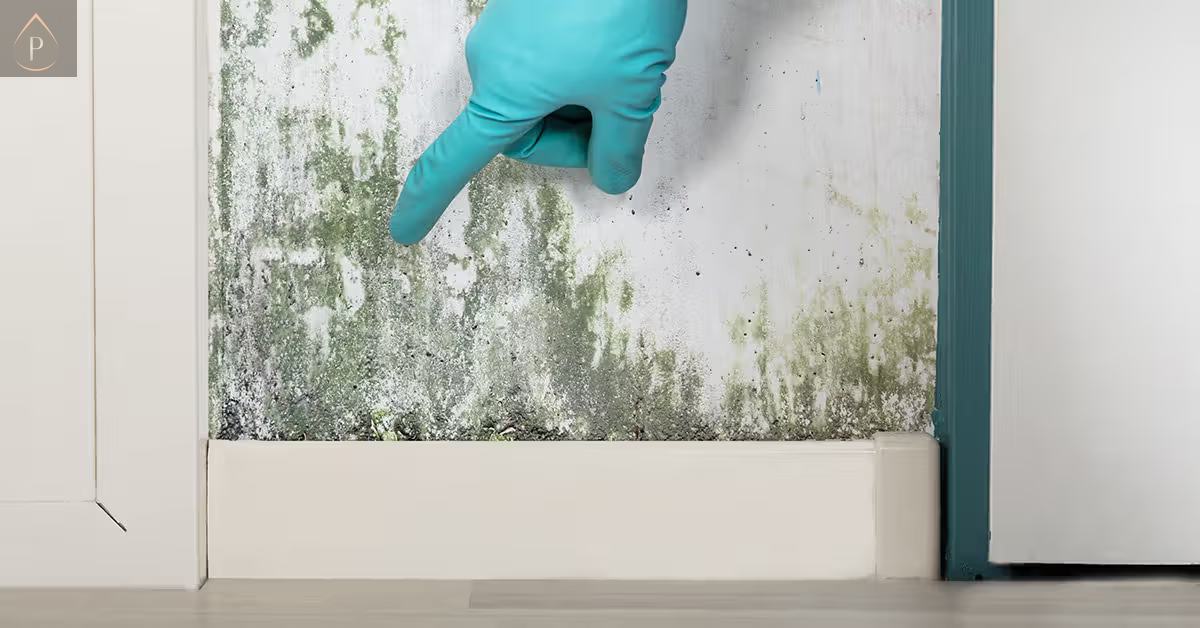
South Wales homes face a perfect storm of conditions that allow mould to thrive before winter fully arrives. As temperatures drop and the heating goes on, moisture builds up indoors faster than many properties can safely release it. Older terraces, stone cottages and solid‑wall homes often have weaker insulation and ventilation. As a result, cold internal surfaces meet warm, humid air from everyday activities like cooking, showering and drying clothes inside.
Because the region has a damp coastal and valley climate, homes in South Wales are especially prone to condensation. Properties in Cardiff, Newport, Swansea and the Valleys often see it on walls and windows as autumn turns into winter. This mix of cold surfaces, high humidity and older construction means mould can start growing long before the coldest months.
This article shows you 7 early signs of mould, from musty odours and small black spots to recurring condensation, so you can act before issues become serious health or structural problems. Homeowners, tenants and landlords will learn when simple changes are enough and when expert help is essential. PRBGE, based in Pontypridd, provides specialist, diagnostic‑led mould remediation and prevention across South Wales, focusing on long‑term solutions rather than quick, surface‑only treatments.
What mould is and why does it appears before winter?
Mould is a type of fungus that grows wherever excess moisture and poor airflow are present in a property.In homes, mould often appears on walls, ceilings, window frames and bathroom surfaces that stay damp or cold for long periods.
Black mould is a darker, more aggressive form. It usually signals a more serious moisture problem, such as ongoing condensation or hidden leaks in walls and corners.Light surface mildew may sit on paint or sealant and wipe off easily. In contrast, deeper damp‑related mould can penetrate plaster, timber and other building materials.
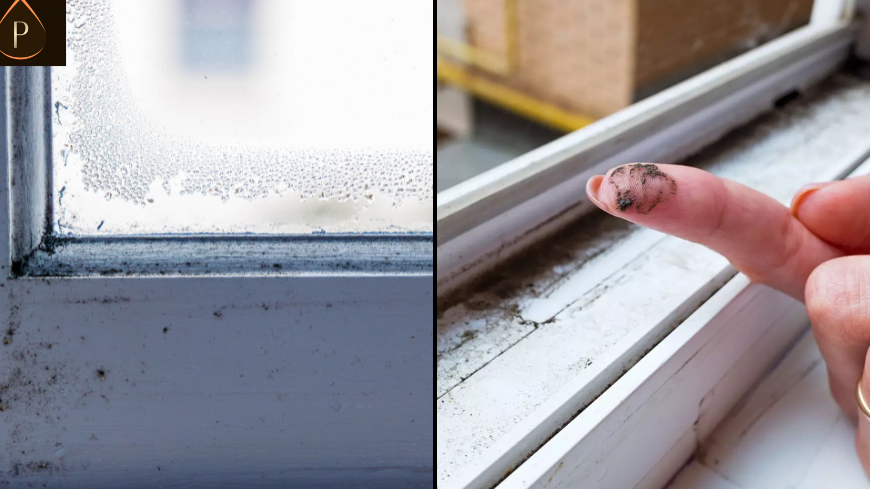
Before and during winter, Welsh homes tend to trap moisture because windows stay shut, ventilation is reduced and heating creates warm, humid air indoors. When that warm air hits cold walls and windows, it turns into droplets of condensation that repeatedly soak the same areas and allow mould to take hold. Drying clothes inside, cooking without extraction and steamy showers add even more moisture to the air, making winter a high‑risk season for mould in UK homes.
This winter damp and mould can trigger allergy‑like symptoms, irritate airways and worsen asthma or other breathing problems, especially in children and vulnerable adults. Early detection helps families and tenants protect their health and prevents small patches from developing into widespread mould and costly damage.
Early sign 1: Persistent musty, damp odour
A persistent musty or “earthy” smell in your home is one of the earliest signs that something is not right, even when you cannot see any mould. This odour often feels like the smell of damp clothes or an old, shut‑up room, and it tends to linger in bedrooms, loft spaces, behind large furniture and inside built‑in wardrobes, even after you clean and air the space.
That kind of smell can mean mould is growing out of sight, such as behind walls, under flooring, inside wall cavities or in the back of fitted cupboards where moisture and stale air get trapped. Hidden mould colonies release tiny particles and gases that create the classic “musty” smell long before black spots show on paint or plaster, so the nose often notices the problem first. If you keep noticing a damp, mouldy smell in your South Wales home, particularly in older terraced properties, it is important not to ignore it or just mask it with air fresheners.
Instead, consider contacting professional mould remediation specialists who can investigate the source, check moisture levels and look for concealed growth in walls, floors and voids. A trained team can find and fix the root cause rather than just treating the smell, which is vital for older homes in Cardiff, Newport, Swansea and the Valleys where damp and condensation are common.
Early sign 2: Condensation on windows and cold surfaces
Regular morning condensation on windows is one of the clearest early warning signs that your home is holding too much moisture in autumn and winter. When you wake to find water beading on the inside of windowpanes, pooling on sills or damp marks appearing on colder external walls, it shows warm indoor air is repeatedly hitting cold surfaces and turning into moisture. Over time, that moisture soaks into timber frames, plaster and sealant, quietly setting the stage for mould to grow.
If condensation sits on windows and walls day after day, it often leads to black mould on silicone seals, around window frames, on reveals and in the corners of bathrooms and bedrooms. These areas stay cooler and tend to collect moisture and dust, which together provide ideal conditions for mould spores to take hold and spread. Simple lifestyle checks can make a real difference, such as opening trickle vents, using extractor fans during and after cooking or showering, and briefly opening windows to let moist air escape. However, if you still see heavy condensation and recurring mould on windows or cold walls, especially through a South Wales winter, it is sensible to involve professional mould remediation specialists who can diagnose the underlying problem and put long‑term solutions in place.
Early sign 3: Small black, green or white spots on walls and ceilings
Tiny black, green or white specks on your walls or ceilings are often the earliest visible sign that mould has started to grow. These dots commonly appear in cold corners, along external walls, around ceiling edges and behind large furniture where air does not circulate well. Over time, what begins as a few faint specks can join up into larger patches if the underlying damp problem is not fixed.
Light surface mildew is usually what you see on bathroom tiles, grout or sealant: it tends to be flat, grey or white at first and often wipes away easily because it sits on the surface. In contrast, spreading black mould patches on bedroom walls, external corners or painted plaster are more serious because this type of mould can root into softer materials and is usually linked to ongoing condensation or damp inside the wall.
Painting over these spots or wiping them with bleach may brighten the area for a while, but it does not remove mould that has grown into plaster, timber or insulation, and it does not solve the moisture problem feeding it. For recurring black mould spots on walls or ceilings in South Wales homes, especially in older bedrooms and living rooms, it is wise to bring in professional mould removal specialists who can diagnose the source of damp and provide a long‑term fix rather than a cosmetic cover‑up.
Early sign 4: Peeling wallpaper, bubbling paint and tide marks
Peeling wallpaper, bubbling paint and tide marks are strong visual clues that moisture is moving through your walls rather than just a cosmetic issue. When damp travels through plaster and masonry, it can cause wallpaper to lift at the edges or along the bottom, paint to blister or bubble, and plaster to flake or crumble. Horizontal “tide marks” a short distance above the skirting board often point to rising damp, while damp patches higher up may be linked to condensation or penetrating damp from outside.
These signs frequently appear behind radiators, along skirting boards, and in stairwells or hallways, especially in older Welsh stone and cavity‑wall homes where cold surfaces and moisture meet. If peeling, bubbling or tide marks keep returning after basic repairs or repainting, it is usually a sign that the underlying damp source has not been resolved.
At this stage, a diagnostic approach matters more than another coat of paint. PRBGE can use tools such as moisture readings, thermal imaging and detailed building defect checks to identify whether condensation, penetrating damp or rising damp is driving the problem, then design a targeted treatment plan. Instead of “spray and walk away” mould treatments that only hide symptoms, PRBGE focuses on finding and fixing the cause so walls can dry properly and mould is less likely to return.
5: Unexplained health symptoms at home
Allergy‑like symptoms that seem to “live” in your home can be an important early sign that mould is affecting indoor air. Common issues include sneezing, coughing, a runny or blocked nose, itchy or watery eyes, headaches, skin irritation and a sore or scratchy throat that feel worse when you are at home and ease when you spend time elsewhere. Some people also notice more wheezing, chest tightness or needing their inhaler more often when staying in a damp or musty property.
Children, older adults and anyone with asthma, COPD or other respiratory conditions are more vulnerable to mould exposure because their lungs or immune systems are more easily irritated. Living in a damp, mouldy home can increase the risk of asthma attacks, chest infections and flare‑ups of existing breathing problems, and research has linked early exposure in childhood to a higher chance of developing asthma.
It is sensible to seek medical advice if symptoms are persistent, severe, interfere with sleep or daily life, or keep returning when you are in the property, especially if asthma or breathing problems are involved. At the same time, if several people in the household feel better when away from home, or if health problems occur alongside visible damp, musty odours or mould patches, it is important to bring in professional mould remediation to investigate and remove the source, helping to protect both the building and everyone living in it.
Early sign 6: Damp, cold or clammy walls and surfaces
Sometimes the first clue that something is wrong is not what you see, but what you feel when you touch your walls. In a healthy, well‑insulated room, internal walls, skirting boards and built‑in cupboards should feel comfortably dry and close to room temperature. When they feel cold, damp or almost “sweaty” to the touch, even with the heating on, it often signals that moisture is sitting on or inside the surface.
These clammy surfaces usually point to high indoor humidity, condensation or thermal bridging, where cold spots form because heat escapes more quickly through certain parts of the structure. North‑facing walls, corners and areas behind furniture are particularly prone to staying colder than the rest of the room, so moist air condenses there first, creating damp patches on internal walls long before mould spots appear. If these cold, damp areas keep returning, they can lead to hidden moisture problems that quietly damage plaster, timber and insulation.
Because the cause is not always obvious from the surface, it is wise to arrange a professional damp and mould survey rather than just redecorating over the problem. A specialist can check humidity levels, use moisture meters and, where needed, thermal imaging to identify structural or ventilation issues causing cold, damp walls. Fixing these root causes early helps prevent visible mould growth, protects your home’s structure and saves money on repeated cosmetic work that does not tackle the underlying issue.
Early sign 7: Reappearing mould after cleaning
Mould that keeps coming back after cleaning is a strong warning sign that there is an unresolved moisture problem in the background. Even if you scrub the area with household cleaners, repaint it or use supermarket mould sprays, the marks can quickly reappear if humidity, leaks or condensation are still present. In other words, wiping the surface only removes what you can see, while moisture inside the wall, ceiling or sealant continues to feed new growth.
This recurring pattern is especially common on bathroom ceilings, around window reveals, in the external corners of bedrooms and in uninsulated loft conversions across South Wales. These spots are often the coldest parts of a room, so warm, moist air condenses there first and mould returns soon after each DIY clean‑up. When mould keeps coming back on the same walls, silicone or paintwork, it usually means the environment is still perfect for mould spores: damp, cool and poorly ventilated.
For long‑term, “permanent” mould removal, the focus has to shift from surface cleaning to root‑cause fixes. Professional mould remediation teams can track down hidden moisture sources, improve ventilation and advise on insulation or material changes, using specialist tools and safety procedures that typical DIY methods cannot match. For South Wales homes where mould repeatedly returns after repainting or spraying, choosing professional mould removal over repeated DIY treatments is the only realistic way to break the cycle and protect both the property and the people living in it.
South Wales climate, housing and mould risk
South Wales’ wet climate, deep valleys and older housing make winter mould problems much more likely than in many other parts of the UK. Solid walls, single glazing and poor ventilation mean homes trap moisture once heating goes on and windows stay shut.
In Cardiff, Newport and Swansea, mould usually appears first on cold external walls, bathroom ceilings and around windows, while valley terraces in Rhondda Cynon Taf, Merthyr Tydfil, Caerphilly and the Vale of Glamorgan often see patches in corners, behind furniture and loft spaces. Choosing a South Wales‑based mould remediation specialist who understands local building styles and regulations helps ensure moisture diagnostics, ventilation improvements and insulation advice actually suit the property and deliver long‑term results.
When to call professional mould remediation vs DIY
Light surface mildew on tiles or paint can usually be cleaned carefully, while improving airflow with windows, extractor fans and dehumidifiers. Call a professional black mould removal specialist if patches are large, keep returning, affect health, suggest structural damp or involve rental properties, so underlying causes are fixed and long‑term prevention is included.
PRBGE’s specialist mould removal and prevention services
PRBGE is a specialist mould remediation and prevention company based in Pontypridd, serving homes, landlords and businesses across the whole South Wales region. The team focuses on moisture control, condensation management and safe black mould removal rather than quick, surface‑level treatments.
Every project starts with diagnostics, not guesswork. PRBGE uses advanced tools such as moisture meters, humidity logging and, where needed, thermal imaging to identify condensation, leaks, rising or penetrating damp before designing a plan. Services include professional mould removal, moisture and damp assessments, ventilation upgrades, and long‑term prevention strategies tailored to the building type and local climate.
Because PRBGE is South Wales‑based, the company understands typical property styles and mould patterns in Cardiff, Newport, Swansea, Rhondda Cynon Taf, Merthyr Tydfil, Caerphilly, Bridgend and the Vale of Glamorgan. This local knowledge allows PRBGE to deliver reliable residential and commercial mould remediation that tackles the root cause, helps protect occupants’ health and keeps properties dry for the long term.
